National traffic data system to link every expressway
The ITS Core platform will connect expressways, Government traffic systems and major urban control centers while laying the groundwork for vehicle-to-everything communication.
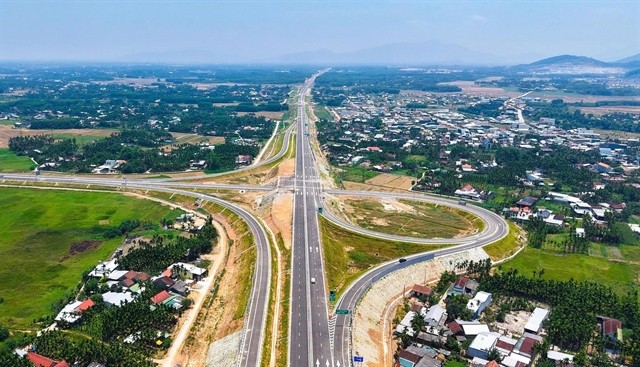
Vietnam aims to create a national traffic data system by 2030, connecting every expressway in the country under a plan led by the Ministry of Construction. Known as the Intelligent Transportation System (ITS) Core platform, it will serve as the digital backbone for Vietnam's highway network, integrating real-time data from traffic management centers.
The system will automatically detect incidents, forecast congestion, and assist operators in rerouting traffic before jams occur. It will also share data with other government agencies and, eventually, with businesses and the public. Construction will occur in phases over four years, with groundwork laid in 2026 and 2027, focusing on technical standards, software architecture, and security.
The platform's core functions, including a central data warehouse, road infrastructure records, vehicle weight control monitoring, and electronic toll collection, will be established in 2028. AI models will be trained to recognize incidents from traffic camera footage, and a GIS-based map for real-time monitoring will be developed.
By 2029, the system will be fully tested and operational, with connections to the Ministry of Public Security's traffic command center and a companion app linked to the VNeID system. The final stage in 2030 will see all operating expressways connected, along with the integration of national highways. The platform will also support vehicle-to-everything (V2X) communication technology, allowing cars to communicate directly with roads, signals, and each other.
The platform comprises five key components: data integration and standardization, centralized storage, AI-based analysis and forecasting, traffic monitoring and management, and data-sharing services. The Ministry of Construction's Department for Roads will oversee software development and rule-making, while the Department of Science, Technology, Environment, and Building Materials will manage technical standards, funding will be handled by the planning and finance arm.
Written by urgent.news from SGGP English Edition's reporting — not their text. Machine-written — may contain errors; check the original before relying on it.