Markets shrug off climate risks as Europe’s heatwaves pile up economic costs
PARIS, Aug 16 — The heatwaves pummelling Europe this summer will have costly impacts on industries...
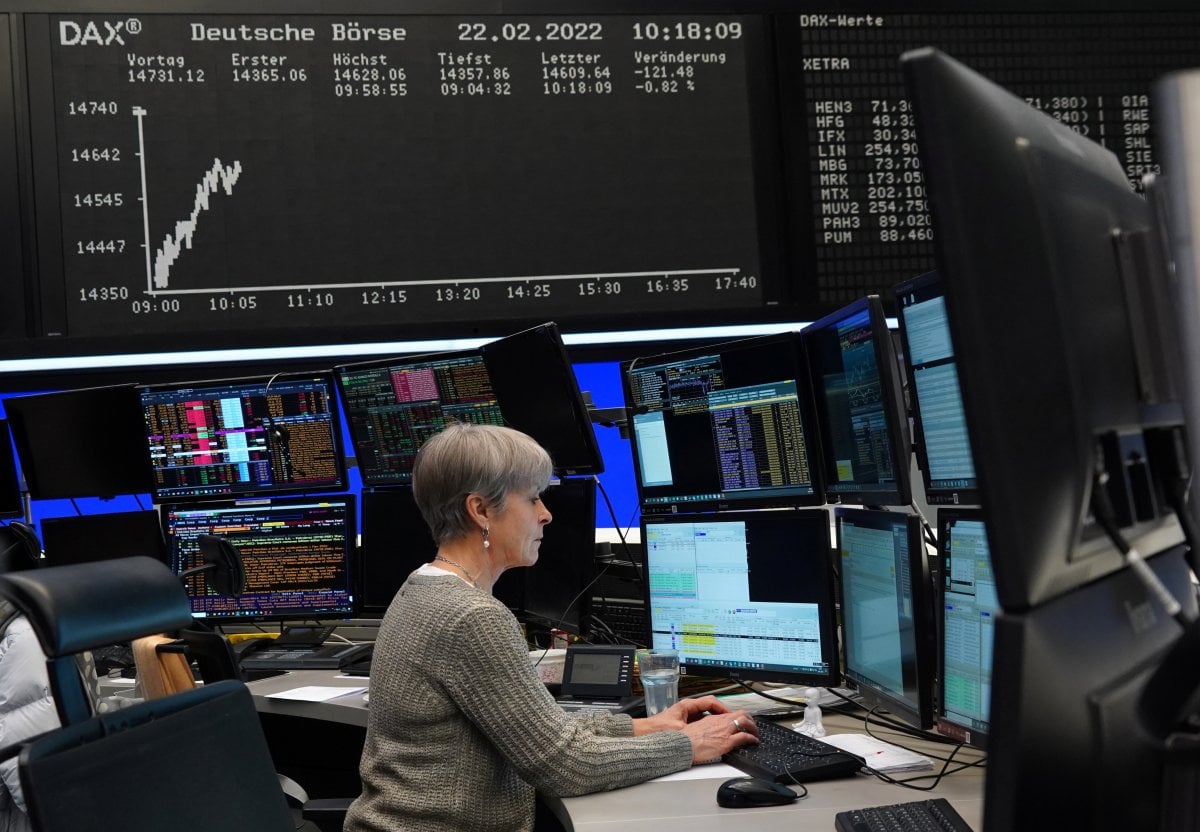
Europe endured a summer of intense heatwaves, leading to significant economic disruptions across various sectors. Despite these challenges, stock markets reached unprecedented heights, with investors largely unaffected by the climate crisis, according to experts. Florian Ielpo, head of macroeconomic research at Lombard Odier, believes that strong corporate earnings and concerns over inflation in Iran are the primary factors driving the market.
In practice, markets price in various risks, including climate change, but the immediate threat posed by hotter weather is not dampening stock prices. Analysts predict that the risks associated with climate change will gradually become more prominent over the next decade, potentially leading to stagflationary pressures that could negatively impact productivity, growth, and inflation.
Some sectors, such as agriculture, heavy industry, and insurance, are particularly vulnerable due to water scarcity, higher input prices, and increased claims. France's Environment Minister Monique Barbut estimated that the heatwaves would cost 10 to 15 billion euros, causing significant damage to harvests and raising concerns about rising food prices.
Germany's steel giant, Thyssenkrupp, cautioned that low water levels on the Rhine could disrupt raw material deliveries, potentially making the waterway unnavigable. Despite these warnings, Thyssenkrupp's shares surged nearly 10 percent as investors focused on the company's profit outlook. Investment strategist John Plassard of Cite Gestion in Geneva believes that financial markets exhibit a short-sightedness, focusing on short-term risks rather than long-term climate risks.
He argues that companies are not adequately addressing the issue of heatwaves in their operations. Experts also note that climate change could shift business models, particularly in tourism and real estate, as people increasingly seek cooler destinations away from southern Europe. While some investment managers acknowledge the growing awareness of ESG (environment, social, and governance) funds, a significant shift towards more sustainable investment strategies has not yet materialized.
Written by urgent.news from Malay Mail's reporting — not their text. Machine-written — may contain errors; check the original before relying on it.