Lions, tigers from notorious zoo in Argentina begin journey to wildlife sanctuaries
Thirty lions and tigers that were kept alive – barely – for years in cramped concrete cages at a closed Argentine zoo began entering jumbo-size transport crates on Friday as they embarked on ambitious journeys to wildlife sanctuaries halfway across the world in South Africa and the United States. The cats are being rescued from the former Lujan Zoo, about 70km (43 miles) northwest of Argentina’s…
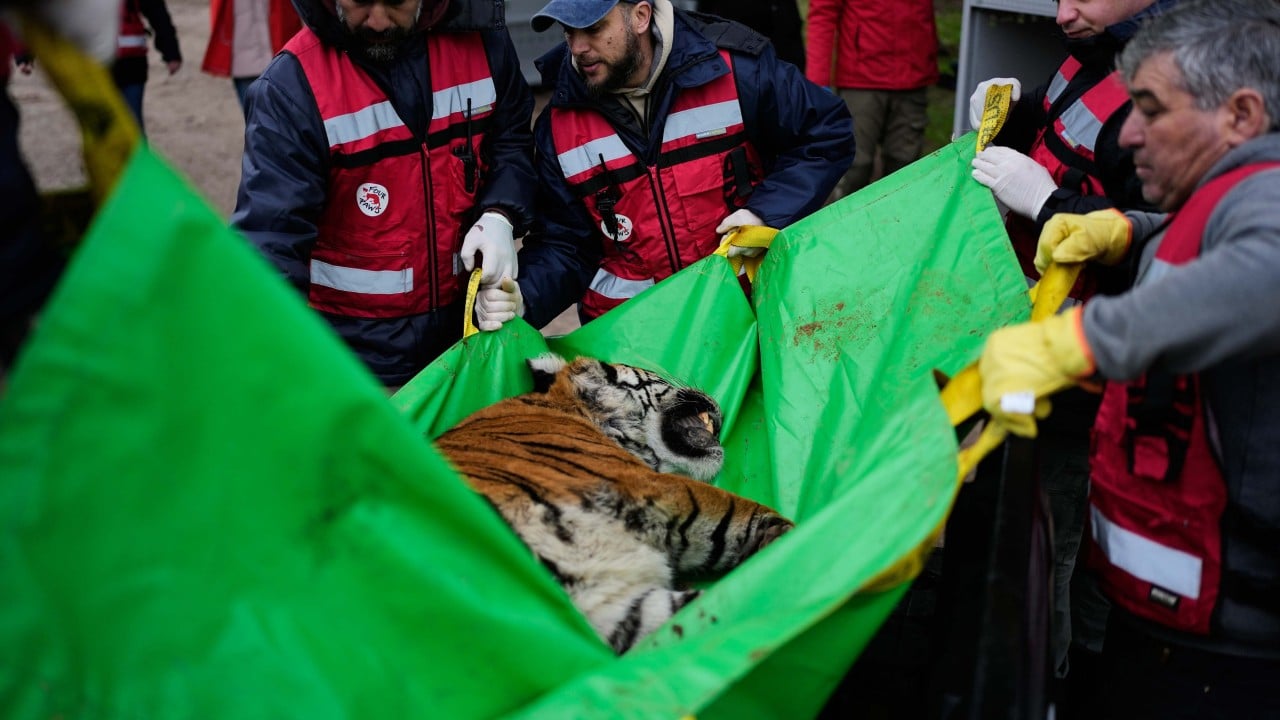
On Friday, 30 lions and tigers, confined to small concrete cages at a defunct zoo in Argentina, began their journey to new lives in wildlife sanctuaries in South Africa and the United States. The animals were rescued from the former Lujan Zoo, located about 70km (43 miles) from Buenos Aires, after years of uncertainty about their future.
Four Paws, the international animal-welfare group coordinating the relocation, called it one of the most significant moves of captive big cats globally. Programme director Luciana D’Abramo emphasized the effort to enhance the quality of life for these 30 animals. Nine tigers and six lions would fly to Lionsrock, a Four Paws sanctuary in South Africa, which houses over 80 big cats in spacious natural enclosures spanning 60 hectares (148 acres).
The remaining eight tigers and seven lions would travel to The Wild Animal Sanctuary in Colorado, a sprawling refuge northeast of Denver where rescued lions, tigers, and other creatures live in expansive habitats. However, the journey was far from simple. The big cats destined for Colorado would fly through Chile, while those heading to Johannesburg would take a four-hour drive to Lionsrock.
Four Paws handlers had trained many of the lions and tigers to voluntarily enter the crates, yet some required sedation, including two tigers who were carried by hand and placed in their transport crates using canvas slings by veterinarians. The Lujan Zoo, infamous for allowing visitors to interact with tigers and lions, was shut down by Argentine authorities in 2020 due to safety and animal welfare concerns.
At its closure, around 200 big cats were housed there, but by the time Four Paws began their rescue mission in 2023, only 112 remained. Two years later, when the organization took over, the population had dwindled to 62. Many of the animals were severely underweight, suffering from muscle loss, poor nutrition, dental and kidney disease, complications from declawing, and injuries that had never fully healed.
The state of the animals highlighted the overcrowding and subpar conditions they had endured. Four Paws worked to retrain long-time zoo employees in modern animal-welfare practices and improved the cats' diets and medical care. Despite this progress, more than 20 lions and tigers remained at Lujan as the organization continues to search for permanent homes for these animals.
Written by urgent.news from South China Morning Post's reporting — not their text. Machine-written — may contain errors; check the original before relying on it.