Lage im Überblick: Frist verstreicht: Iran-Krieg vor ungewisser Zukunft
Während US-Präsident Trump mit einer Übernahme der Straße von Hormus kokettiert, gehen die Angriffe auf zivile Schiffe weiter. Dabei sollte in diesen Tagen ein finales Abkommen stehen.
Two months after Iran and Washington signed a framework agreement, a resolution of the Iran War appears far away. Instead of achieving progress on Iran's nuclear program as planned, US President Donald Trump announced on the evening of seizing control of the Strait of Hormuz. Iran rejects the plans and openly questions the resumption of negotiations with the US.
As the deadline approaches for the US and Tehran to conclude negotiations on the Iranian nuclear program, several breaches of the cease-fire and other agreement points have occurred in recent weeks. Reports suggest that the cease-fire may be extended by an additional 60 or 90 days. Pakistan, the mediator in the conflict, has not yet decided whether to publicly communicate the new cease-fire.
The Strait of Hormuz, a major oil and gas trade route, is a central point of contention between the US and Iran. Iran vehemently opposes Trump's plan to declare the Strait of Hormuz as US territory. Iran's Vice Foreign Minister Kasem Gharibabadi wrote on the platform X that the Strait of Hormuz cannot be taken away by tweet, aircraft carrier, order, or campaign speech.
Iran fears neither threats nor humiliation from power demonstrations. Gharibabadi wrote that the US must accept it has suffered a strategic and severe defeat. "The Strait of Hormuz belongs to Iran, belongs to Iran, and will belong to Iran." There is no agreement on the Strait of Hormuz. In addition, the deadline for Iran to commit to duty-free passage through the Strait of Hormuz expires.
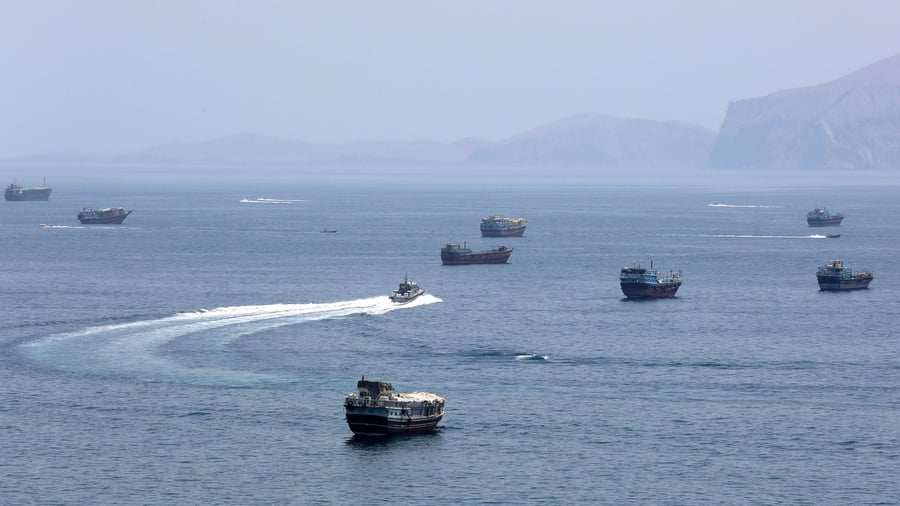
The shipping in the strategically important strait is regulated by negotiations between Iran and Oman, but an agreement has not been announced yet. Reports from Pakistani security sources indicate that these negotiations are technical discussions to determine shipping routes through the Strait of Hormuz and are separate from potential cease-fire negotiations with the US.
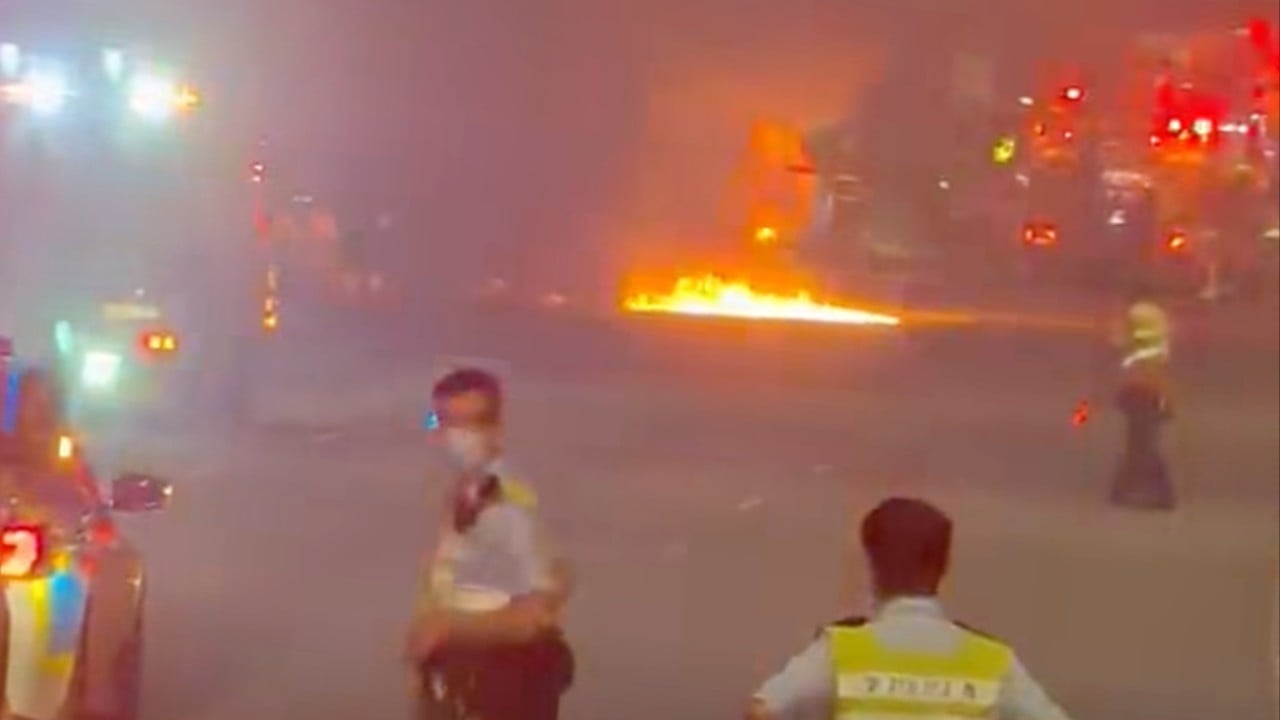
The Iran War has nearly halted shipping in the strategically important Strait of Hormuz for the global trade. Parties to the war have been fighting for a complete reopening of the Strait of Hormuz for some time, but without success. The war continues, and in the night of Saturday, an attack on a shipping vessel in the Strait of Hormuz was reported.
The vessel of the Emirati state-owned oil company Adnoc was attacked, but no one was injured. Initial damage reports were not available. The emirate had already reported two Adnoc ships attacked by Iran on Friday night and strongly condemned the incident. Iran demanded compensation for the war damages. Despite the 60-day cease-fire ending with the US, Iran has not decided whether to resume negotiations with Washington.
Iran's Foreign Minister Abbas Araghtchi said to the government-affiliated news agency Isna that the US had violated the agreement, the war had resumed, and a cease-fire needed to be extended. The tensions between the US and Iran continue to affect energy markets, with Brent crude oil prices rising to nearly $89 last Friday, 20 dollars more than half a year ago.
Written by urgent.news from Handelsblatt's reporting — not their text. Machine-written — may contain errors; check the original before relying on it.