Jagjivan Ram to Kharge, the distance not covered
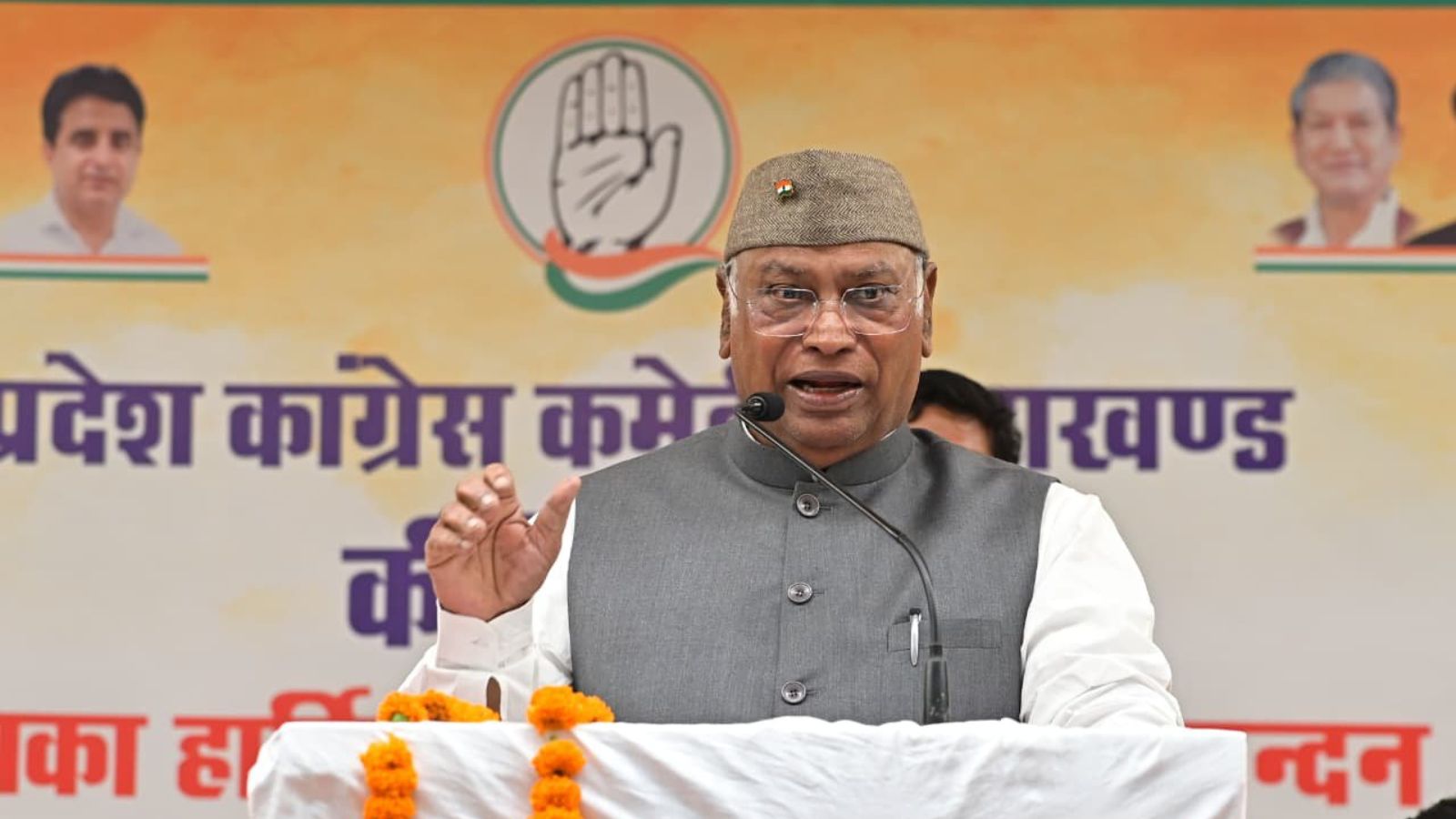
The chilling incident in Haldwani serves as a stark reminder that caste prejudice persists, not just in political meetings but in everyday life for millions of people across India. This issue, deeply ingrained in the fabric of Indian society, continues to persist and manifest itself in various forms, even 48 years later. The Haldwani purification rite, which took place in 1978 during the inauguration of a statue of Sampurnanand, an upper-caste Kayastha leader, highlights the ongoing struggle against casteism.
My grandfather, Jagjivan Ram, who was Deputy Prime Minister at the time, faced severe casteist insults and harassment after garlanding the statue. The incident caused a national uproar, leading to condemnation, apologies, and demands for inquiry and punishment in Parliament. Jagjivan Ram remained silent during the debates, but his silence speaks volumes about the pervasive nature of casteism, which continues to undermine the concept of time and make it dysfunctional.
The recent Jantar Mantar protests, led by Gen Z socially diverse protestors, may have been influenced by the Haldwani incident, as these protestors were deeply committed to social justice and inclusivity. However, the NCERT textbooks that blanked out the existence of caste-based prejudice had failed to make any impact, leading to a concerted effort by caste votaries and saffron groups to co-opt the protestors.
The common impulse behind both reactions is the same: the caste system must be dismantled to end discrimination and bigotry in India.
Written by urgent.news from The Indian Express's reporting — not their text. Machine-written — may contain errors; check the original before relying on it.