Italy’s Cheese Bank Finds Climate Risk Has a Rind
On Wall Street, “cheese” is slang for money. In Italy, they decided the metaphor needed collateral. Deep inside climate-controlled warehouses in Emilia-Romagna, hundreds of thousands of wheels of Parmigiano-Reggiano sit on shelves while securing loans from Credito Emiliano, Fortune reported Monday (Aug. 10). It’s banking with notes of hazelnut, salt and a surprisingly complicated risk […] The…
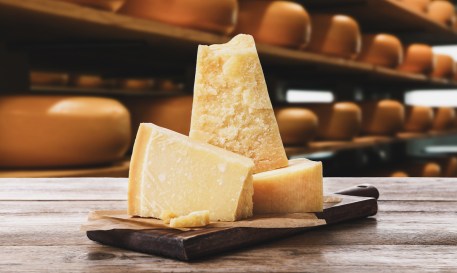
On Wall Street, "cheese" serves as slang for financial assets. In Italy, the banking sector seized upon this metaphor, securing loans from Credito Emiliano. The arrangement, rooted in centuries-old regional finance, has evolved into a modern illustration of embedded finance, tokenized assets, and climate risk.
Credito Emiliano, known as Credem, has accepted Parmigiano-Reggiano as collateral since 1953. Magazzini Generali delle Tagliate, a subsidiary of Credem, operates warehouses in Reggio Emilia and Modena, housing over 500,000 wheels of Parmigiano-Reggiano, valued at over €300 million. These wheels are not mere display items but productive assets, aged for at least 12 months, with many spending 24 to 36 months maturing.
Producers often borrow against 60% to 80% of a wheel's expected mature value. Credem not only stores and ages the cheese but also monitors its quality and can sell it in the event of a default. The bank has integrated blockchain technology to record pledged wheels and monitor their condition and location in real-time, thereby expanding the collateral pool.
However, this arrangement is being tested by extreme heat. Daily energy use at Credem's cheese warehouses has risen by about 30% during peak heat waves, as cooling systems work harder to maintain optimal conditions. Meanwhile, on nearby farms, cows are consuming less and producing 10% less milk during periods of extreme heat.
The circular nature of this relationship is evident: heat impacts cows, which in turn affects milk production, which ultimately influences cheese production and loan security. This issue poses a tangible risk to Credem's credit department. While Italy's approach of lending against the cheese surplus differs from the U.S. government's strategy of holding surplus cheese, the core lesson remains relevant - collateral's value extends beyond market price to include energy, logistics, data, and physical preservation requirements.
Written by urgent.news from PYMNTS's reporting — not their text. Machine-written — may contain errors; check the original before relying on it.