Image To Video AI Breaks On Compressed News Stills
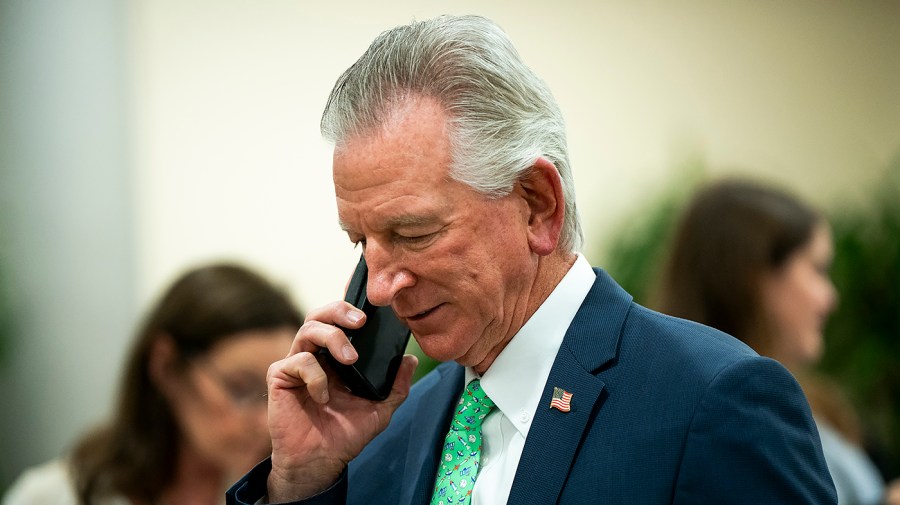
Local newsrooms do not lose trust because a clip looks soft on a phone. They lose it when a street photo from WhatsApp becomes a moving scene that invents a second officer, a crowd banner, or a shop sign the still never held. That is why image to video ai only helps a desk when [...] The post Image To Video AI Breaks On Compressed News Stills appeared first on Kahawatungu .
Local newsrooms lose trust when an image-to-video AI creates false details from a compressed street photo. Image to video AI should only be used if the source file is clean enough to animate. Using a dirty-still battery before generating prevents motion failures caused by compressed stills. Each news source should test three versions of the same news still: the original upload, the WhatsApp-compressed copy, and a harsh crop matching the homepage card.
Animate each with the same short instruction to test for motion failures. The motion should carry presence and restrained movement, not invent new objects or people. Faces, hands, and background text may merge or become unreadable when compressed. Keep facts from the still as text to avoid errors in generated signage. Motion should not create a second person or add barriers or weapons.
Use a table in the photo intake note to track common motion failures and desk actions. Crop the approved still to the real module first before animating. Set the ratio and length for the destination module. Archive the cleared still and clip together to avoid reinventing context in the animation.
Written by urgent.news from KahawaTungu's reporting — not their text. Machine-written — may contain errors; check the original before relying on it.