I just tried this privacy-focused version of Android for Pixel phones — and I'm very impressed
If you want some extra privacy on your phone, it might be worth installing GrapheneOS. It actually feels more like Android than a lot of other Android phones.
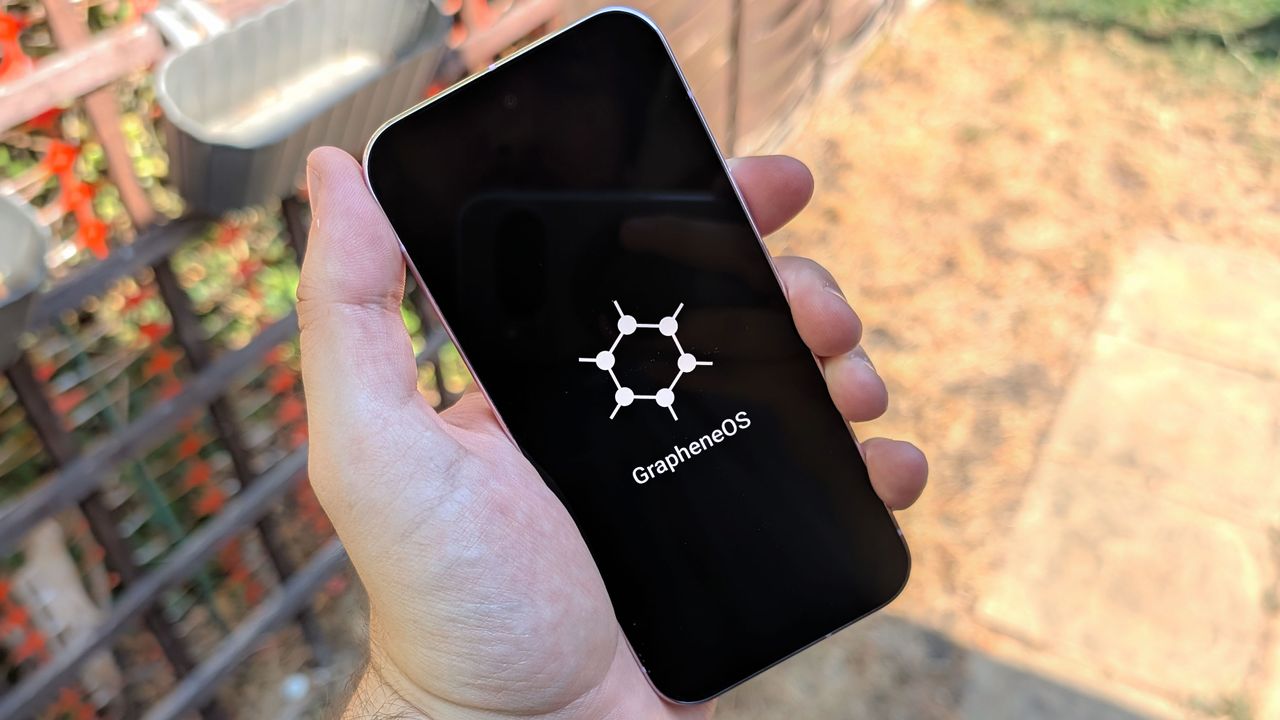
If you've been keeping up with the news, you've likely heard of GrapheneOS. The Android-based mobile OS garnered attention a few weeks ago over a dispute at the U.S. border, involving a traveler accused of wiping their GrapheneOS-powered phone using a duress password and now facing charges of destroying evidence. You may have heard of GrapheneOS but never given it much thought for one reason or another. This news inspired me to take a closer look at what GrapheneOS actually offers.
GrapheneOS is an open-source mobile operating system that prioritizes security and privacy. It's completely free to install, and the project relies on donations for support. The software is built on the Android Open Source Project and focuses on addressing Google's mobile OS's biggest privacy issues. GrapheneOS removes most Google systems and bloatware, ensuring users won't find themselves with a phone filled with apps they can't remove. The software also includes various privacy features not found on most Android phones.
GrapheneOS is currently compatible with Pixel phones, including models up to the Google Pixel 6 and 6 Pro. While other devices may support GrapheneOS at a source level, they require more effort to install due to a lack of official support. Motorola has partnered with GrapheneOS to strengthen smartphone security and collaborate on future devices compatible with GrapheneOS. However, we don't know which Motorola devices will offer GrapheneOS or when they will be released.
Installing GrapheneOS is relatively straightforward, thanks to the Web Installer, which makes the process almost foolproof and doesn't require rooting the phone. The official installation guide is somewhat intimidating at first, but it's surprisingly simple to follow. Reverting back to the original software is trickier, as the Web Installer struggled to recognize my phone and unlock the bootloader, requiring some troubleshooting on my end.
Written by urgent.news from Tom's Guide's reporting — not their text. Machine-written — may contain errors; check the original before relying on it.