How fast can the U.S. build data centers amid labour concerns?
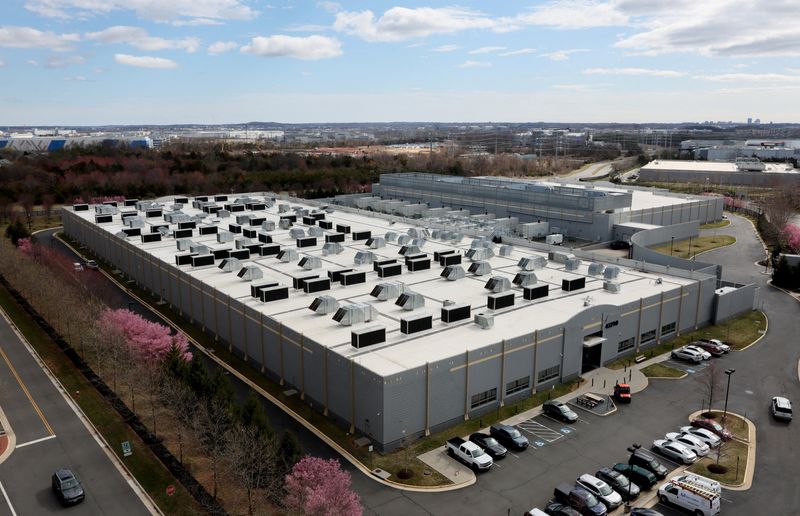
The U.S. data center industry could expand its annual construction capacity from 12 gigawatts in 2026 to 35 gigawatts by 2030, according to Bernstein analysts. However, the rate of this expansion is limited by a shortage of highly specialized workers in mechanical, electrical, and plumbing trades. If current recruitment levels remain steady, annual capacity could rise by roughly 6 gigawatts each year, representing a compound annual growth rate of around 30%.
This 35 gigawatt ceiling would be sufficient to meet market expectations of 25 to 35 gigawatts in annual capacity additions by 2030. Yet, it falls short of the 40 gigawatts needed to support planned manufacturing capacity for medium-sized power generators, potentially creating a risk for suppliers like Caterpillar and Cummins. These workers are crucial for constructing the power distribution and cooling systems within data centers, with a single 100-megawatt project typically requiring about 90 such professionals on-site.
The available workforce is less than the headline figure of 1.8 million suggests, with only about 790,000 individuals employed in non-residential construction, many lacking the specific skills necessary for data center projects. Furthermore, the workforce is poorly positioned to meet future demand, as only about 30% of these workers reside in areas expected to host 70% of upcoming data center projects.
Recruitment rates have slowed since their peak in 2023, and these trades already account for their highest share of the U.S. workforce in two decades. To overcome this labor ceiling, Bernstein suggests that modular construction could help by shifting more work from job sites to factory settings. This shift could benefit vertically integrated manufacturers and contractors such as Eaton, Schneider Electric, Vertiv, Quanta Services, Comfort Systems USA, and EMCOR.
Written by urgent.news from Investing.com's reporting — not their text. Machine-written — may contain errors; check the original before relying on it.