Hong Kong’s biodiversity ‘richer than we know’ but many species lack protection
Hong Kong’s lush forests are teeming with more wildlife ranging from birds arriving from neighbouring regions to newly discovered reptile and insect species, experts have found, as they urge authorities to devise a conservation list to protect vulnerable local species. The call by the city’s conservationists to formulate a “red list” – a long-awaited measure since 2014 – coincided with National…
Hong Kong’s forests house a diverse array of wildlife, including birds from neighboring regions and newly discovered species such as reptiles and insects. Conservationists are urging the government to create a biodiversity “red list” to protect vulnerable species, following recent discoveries that suggest the city's forests are even richer than previously known.
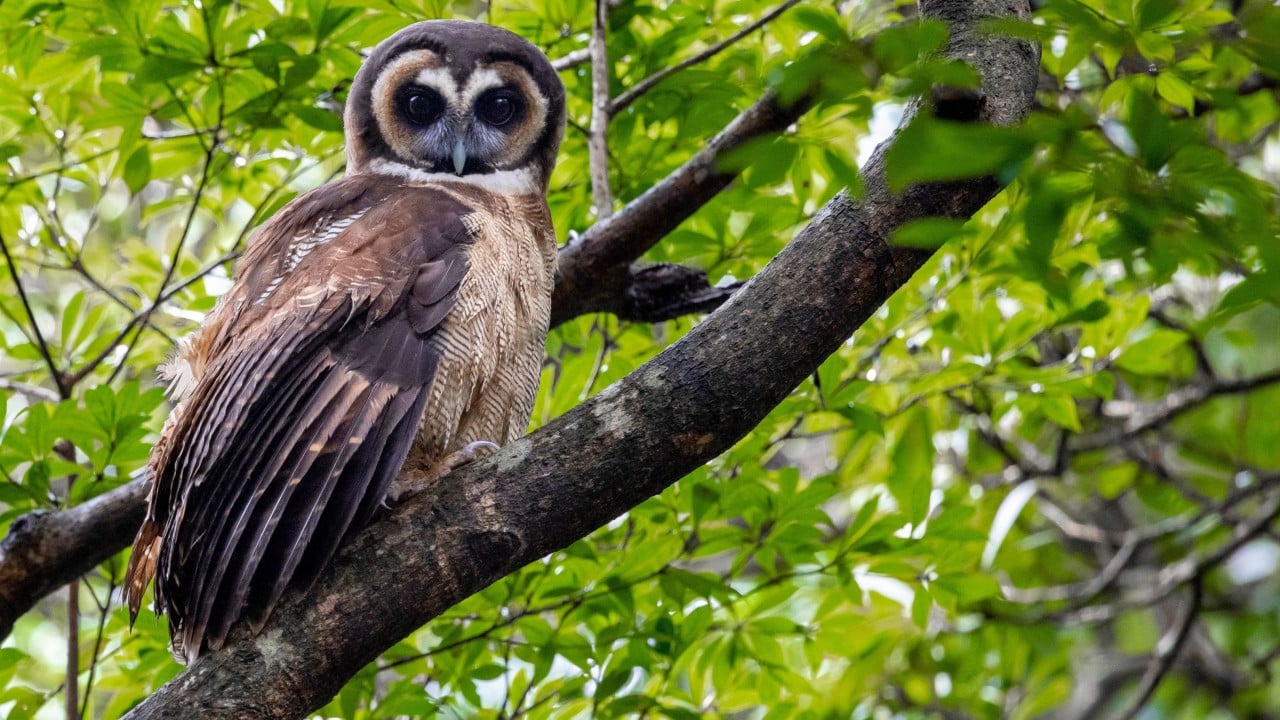
Gary Ades, head of fauna conservation at Kadoorie Farm and Botanic Garden, highlighted the return of the brown wood owl from Guangdong province and noted that certain species have found suitable nesting and feeding grounds in Hong Kong's mature forests. However, many species lack adequate protection, with a 2025 study revealing that 21 species have disappeared from the city and a quarter of assessed species are at risk of local extinction.
Experts emphasize the need for a local red list to identify endangered species and guide conservation efforts, citing the king cobra and the critically endangered yellow-breasted bunting as examples. While Hong Kong's biodiversity strategy and action plan outlines priority actions through 2035, the government is still preparing its own red list, which is expected to be completed with rigorous assessments and cross-taxonomic collaboration.
Written by urgent.news from South China Morning Post - Hong Kong's reporting — not their text. Machine-written — may contain errors; check the original before relying on it.