From rice to remedy: Penang maker’s time‑honoured 40‑day method keeps traditional ‘bedak sejuk’ craft alive
GEORGE TOWN, Aug 16 — Before commercial talcum powders and skincare products became commonplace, bedak sejuk&...
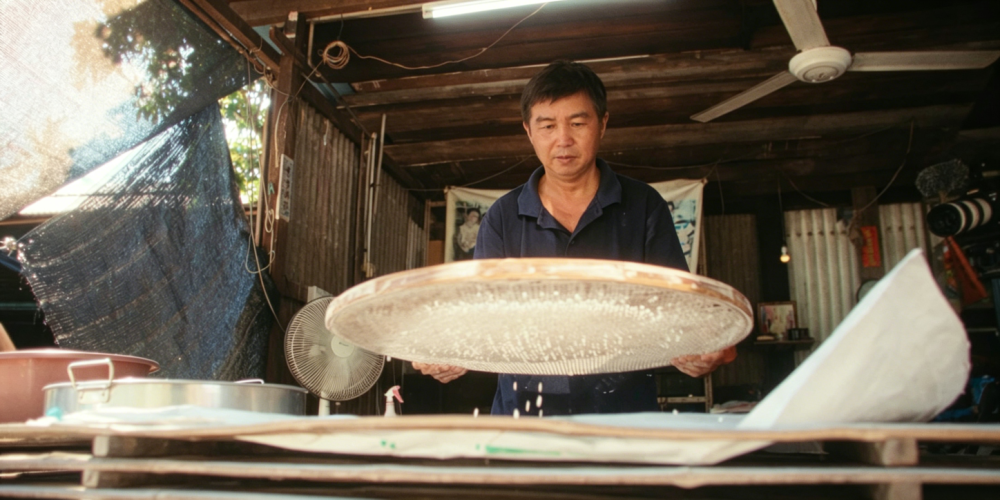
George Town, Penang, on August 16 — Before commercial powders and skincare items gained popularity, bedak sejuk was a well-known household remedy, utilized to cool the skin in Malaysia's hot and humid climate and alleviate discomfort from ailments like chickenpox. Traditionally crafted from rice and water, the cooling powder was once prepared at home for individual use.
Both children and adults would frequently be seen with the white residue it left on their faces and bodies after being mixed with water and applied to the skin. However, over time, bedak sejuk has seen a resurgence in popularity, driven by a growing appreciation for heritage products among the public, according to Yeoh Siong Huat, the 49-year-old maker who inherited Bedak Sejuk Lean Seng from his father in 2016.
The 40-day preparation method, a time-honored tradition, has been passed down through generations, but was previously manufactured in homes for personal consumption until Yeoh's parents began selling it approximately 50 years ago.
Yeoh's parents initially ran a modest enterprise raising pigs and producing belacan and bedak sejuk for sale. With the rise of commercial powders and skincare products, the demand for homemade bedak sejuk dwindled; however, it remained a staple in many Malaysian households for its cooling properties and itch-relieving qualities.
Upon his father's passing just a year after Yeoh took over the business, he has been single-handedly responsible for its production, occasionally receiving assistance from his brothers on weekends. Despite the single ingredient involved, the creation of bedak sejuk is a painstaking process comprising several stages. First, the rice must be washed and soaked for a full month, with the water changed weekly to prevent spoilage.
Following this, the rice is washed and rinsed once more before being ground into a paste. This paste is then strained and left to dry for a period of eight to nine hours. Once dried, the granules are formed, with each batch yielding over 900 granules.
After drying, the granules are spread across trays and left to dry under the sun for a minimum of three days, requiring at least three hours of sunlight each day. This process is highly weather-dependent, as rainy seasons can interrupt the drying process, potentially leading to mold growth and necessitating the disposal of the entire batch.
Once fully dried, the granules are subjected to a dust-removal process using a fan and sieved again to eliminate any crushed pieces and powder. The final product is then packaged into bottles and distributed to retailers. Yeoh rigorously tests his products in a laboratory to ensure quality and safety before they reach the market.
Each bottle of bedak sejuk retails for RM8, covering Yeoh's costs and providing him with a modest income. Despite the labor-intensive nature of the craft, Yeoh continues to uphold the tradition as a tribute to his ancestors and a means of preserving cultural heritage. He acknowledges the significant effort involved and the lack of financial reward, but expresses hope that his nieces or nephews may eventually take over the business.
Written by urgent.news from Malay Mail's reporting — not their text. Machine-written — may contain errors; check the original before relying on it.
This story
This is one outlet's version. Read the fullest account.