From classroom to career: Reinventing hospitality education for the real world
Walk the lobby of any five-star hotel in Dubai or Abu Dhabi and you will find a workforce under unprecedented pressure. Abu Dhabi’s Tourism Strategy 2030, a pipeline of major sporting events, and the legacy of Expo are generating sustained demand for hospitality talent at a scale the region has never seen before. Yet a striking 58% of hiring managers globally do not believe college graduates are…
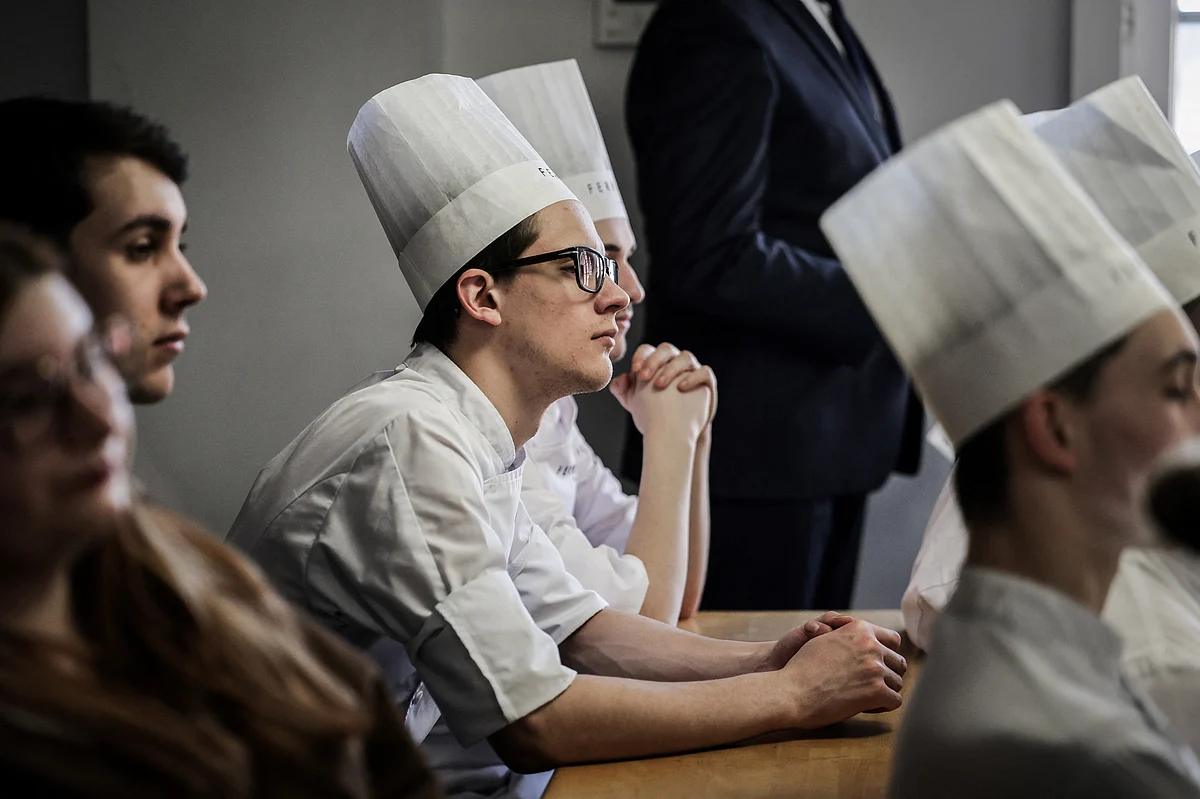
Five-star hotels in Dubai and Abu Dhabi are facing unprecedented pressure as tourism demand continues to surge. However, a concerning 58% of hiring managers worldwide believe college graduates are not adequately prepared for the workforce. This challenge has prompted a critical reassessment of hospitality education.
For decades, traditional classroom methods relying on lectures, textbooks, memorization, and hypothetical case studies have sufficed. However, two factors are exacerbating the need for change: a rapid expansion of the Gulf hospitality sector outpacing its talent pool, and the disruptive impact of generative AI on traditional classroom assessments.
Generative AI's ability to replicate theoretical knowledge on demand has raised a crucial question: what is being measured, and does it truly prepare students for a real service environment? The answer lies in embracing practical learning through authentic experiences. This approach involves students tackling real problems for real stakeholders, under real constraints, within operational environments where decisions have tangible consequences.
In practice, authentic learning can be seen in collaborations between institutions like Abu Dhabi Hospitality Academy - Les Roches and Ferrari World Abu Dhabi. Here, students conducted on-site research across the guest journey, from arrival to retail interactions, comparing their findings with thousands of TripAdvisor reviews. They then presented their results and recommendations to senior executives, receiving direct feedback and accountability for their ideas.
This shift away from traditional, lecture-based education is not without challenges. Coordinating field visits, assessing project-based work, and establishing industry partnerships require significant resources and time. Nevertheless, the World Travel and Tourism Council projects a shortage of 8.6 million hospitality employees globally by 2035. The urgency of implementing practical, authentic learning cannot be overstated.
To navigate this transformation, four key priorities emerge: redesign assessments around real-world problems, invest in meaningful industry partnerships, support educators in shifting from lecturing to facilitation, and recognize the unique value of human judgment, empathy, and uncertainty navigation in hospitality education. The window for implementing these changes is rapidly closing, as AI reshapes theoretical knowledge and Gulf tourism ambitions outpace the region's talent pipeline.
Written by urgent.news from Gulf News's reporting — not their text. Machine-written — may contain errors; check the original before relying on it.