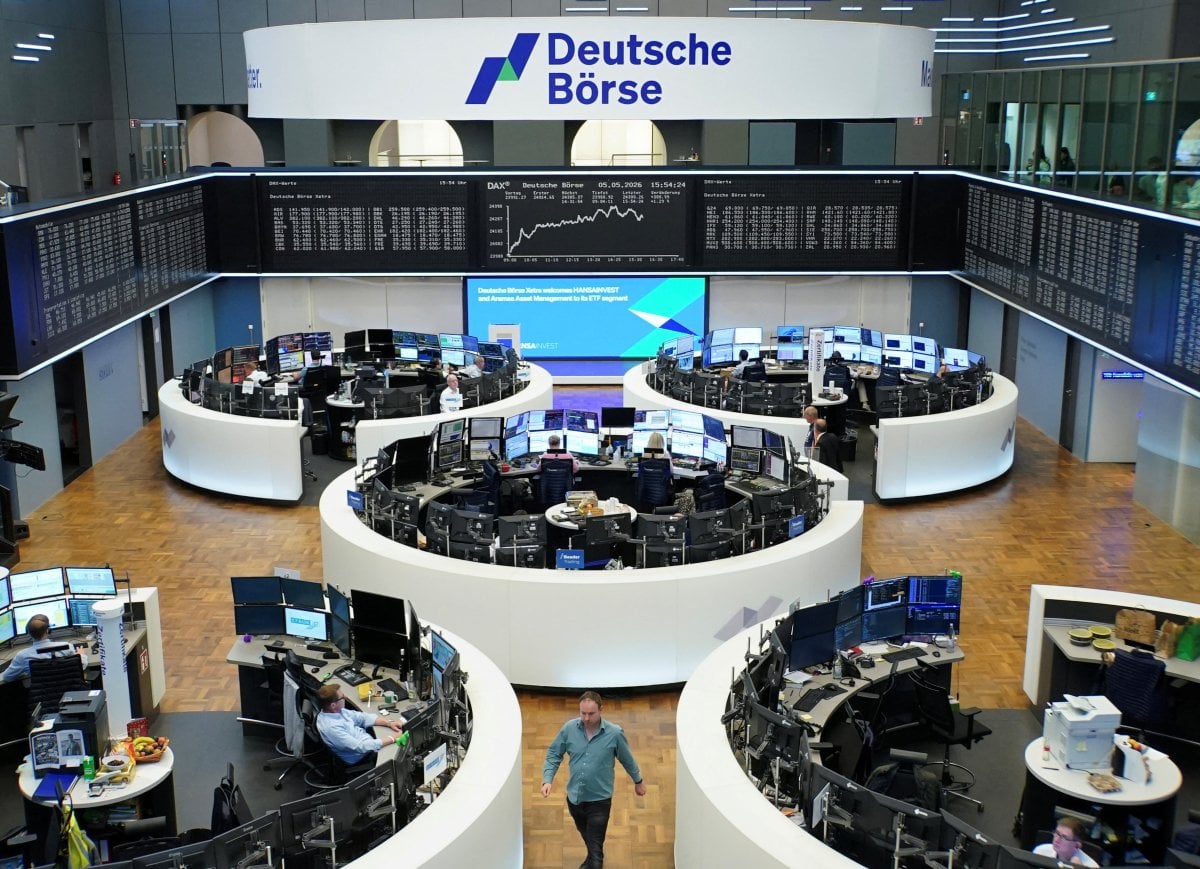
Francia encara en año electoral su ajuste de cuentas con la deuda
La economía gala se financia más caro que ninguna otra gran economía del euro y su déficit ha empezado a dispararse
France is still grappling in an election year with its fiscal adjustment and debt management. The country has been financing at higher rates than any other major eurozone economy. Interest payments, which are ballooning, now exceed the budgets allocated for education or defense, yet the returns on ten-year bonds are near 4%. As a result, France's debt has begun to spiral. In the first half of this year, France paid 34.5 billion euros in interest, a 19% increase compared to the same period in 2025.
The French government aims to keep the budget deficit at 5% of GDP this year, almost identical to last year. However, a recent report commissioned by the Executive indicates that even if this target is met, France's debt burden would rise from the current 118% of GDP to 130% by 2030. Until 2025, the average interest rate on France's debt portfolio was below the nominal growth rate of its economy, around 2.5% this year.
That growth is no longer sufficient to offset the cost of servicing existing debt, expressed as a percentage of GDP. With rising rates and a ten-year yield nearing 4%, France's average debt interest rate is now 3.5%. Paris's debt continues to grow as a share of GDP each year, even before accounting for the hole left by the rest of government spending.
To stabilize its debt load, France needs a fiscal surplus before interest payments kick in. The report calculates that the so-called primary deficit, currently at 3%, would need to become a surplus of 0.8%. The reasons for the rising interest rates are manifold. Rates have climbed across Europe even after the European Central Bank began lowering its benchmark rate in June 2024.
Paris competes for investors' attention with Germany, whose fiscal stimulus boosted Berlin's debt load last year. However, successive Finance Ministers under President Emmanuel Macron have been reluctant to tighten budgetary generosity following the post-2020 pandemic shock or, after the unfortunate parliamentary dissolution in 2024, were unable to do so.
Macron will leave office next year, and a new president will be elected in April. According to a government report, his successor should announce a 125 billion euro austerity budget to stabilize the debt level by the end of his mandate. However, none of the long list of declared or potential candidates has even touched on the issue.
Marine Le Pen, the far-right candidate favored to win in the first round, promises tax cuts and more spending. Any serious president would need to thoroughly review the health and pension budgets, which continue to grow; opt for careful tax measures in a country that already bears the second highest fiscal burden in the OECD, behind only Denmark; and approve reforms that boost growth potential.
The chances of such measures occurring, following a fiery presidential campaign and a divided Parliament, are slim, if not nil. The coming year may be the moment when France's long-delayed fiscal adjustment with bond markets becomes inevitable.
Written by urgent.news from El Pais Economia's reporting — not their text. Machine-written — may contain errors; check the original before relying on it.