College loses its monopoly on the American Dream
Whether framed on an office wall, collecting dust in a box or still a distant dream, the college diploma is getting a hard reappraisal. Why it matters: College was once sold as a ticket to the American dream. But students today are taking a tougher look at the college tradeoff: burdensome debt and no guarantee of a dream career — or employment at all, as AI threatens the jobs the degrees were…
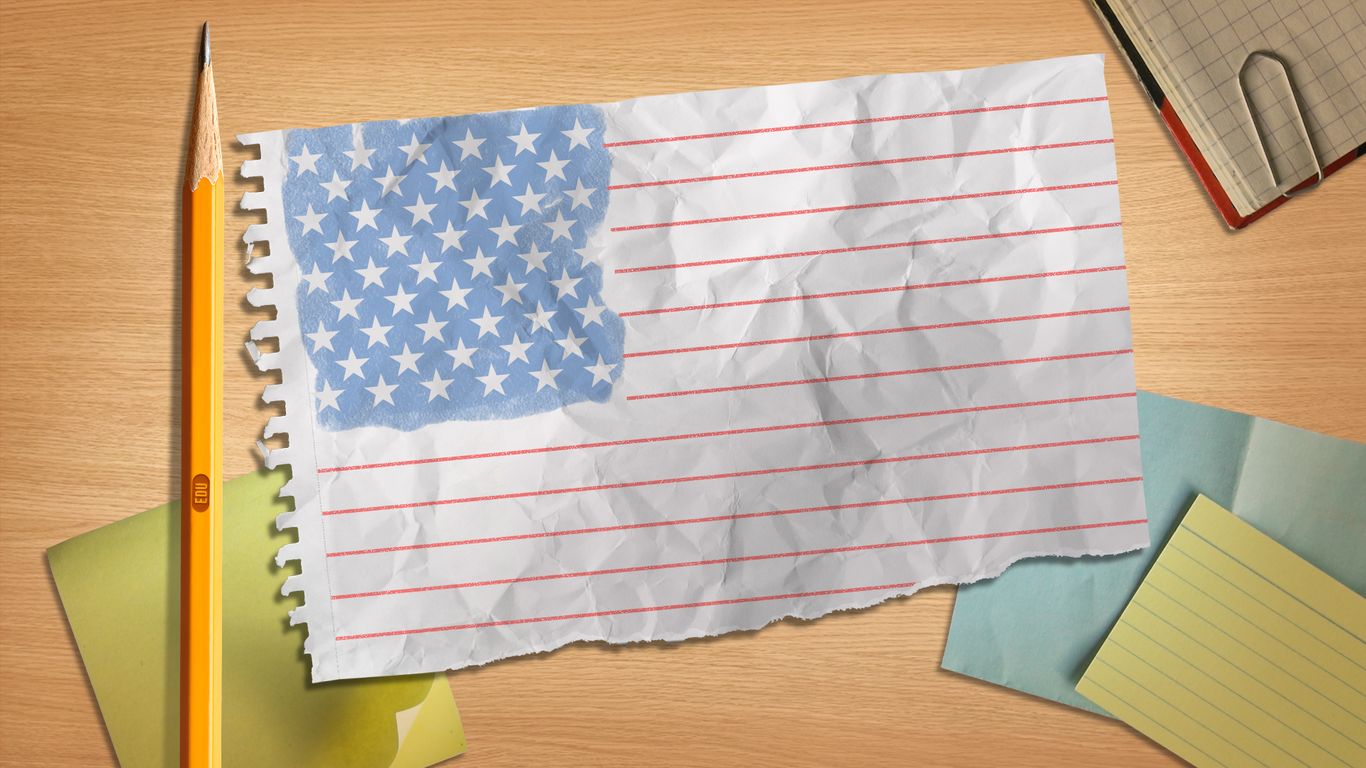
The college diploma, once heralded as a gateway to the American Dream, is now facing increasing scrutiny. While higher education was once unquestionably beneficial, students today are grappling with the harsh realities of mounting debt and uncertain job prospects, especially with the rise of artificial intelligence affecting the jobs their degrees were designed to lead to.
Courtney Brown, vice president of impact and planning at the Lumina Foundation, observes that while people did not question the value of college 20 years ago, they now question whether today's students will be adequately prepared for tomorrow's jobs. Gallup polling from June revealed a decline in confidence in higher education across all educational levels. Currently, just 19% of those with a college degree or higher believe it is a good time to find a quality job, compared to 35% of those without a degree.
This shift in perception is coupled with a paradoxical mindset: despite waning trust in higher education, parents, educators, peers, and societal norms still pressure students to pursue a college degree. The anxiety surrounding this decision manifests in three primary areas: affordability, perceived value for money, and employment outcomes post-graduation.
Affordability remains a significant concern. Gabriel Sheahan, a 24-year-old studying welding and fabrication at Lincoln Technical Institute, expresses reluctance to take on loans and the accompanying stress on his family. Similarly, Rachel Sukkar, a 19-year-old philosophy major at the University of North Carolina at Chapel Hill, expresses frustration with the rigid scheduling and lack of course selection, feeling trapped in a competitive rat race.
The outcomes of a college degree are also under question. Moksha Agrawal, a 17-year-old high school senior, points to the volatility of the job market, making it difficult to guarantee the same level of success that previous generations enjoyed with a college education. The trades, such as welding, are often undervalued, but Sheahan argues that the skills acquired in these fields provide a clear, stable career path, contrasting sharply with the uncertain trajectory of many graduates from traditional four-year colleges.
To adapt to the evolving job market, high schools and colleges must shift their focus towards extracurricular activities and soft skills, as emphasized by Rachel Janfaza, founder of The Up & Up. Ultimately, students need concrete evidence of the worth of their investment, with institutions demonstrating tangible outcomes that justify the financial and time commitments required.
Written by urgent.news from Axios's reporting — not their text. Machine-written — may contain errors; check the original before relying on it.