Chinese-linked businesses in PKFZ are not evidence of tariff evasion
PKFZ chairman Lim Lip Eng says it operates within a highly regulated customs and trade compliance framework.
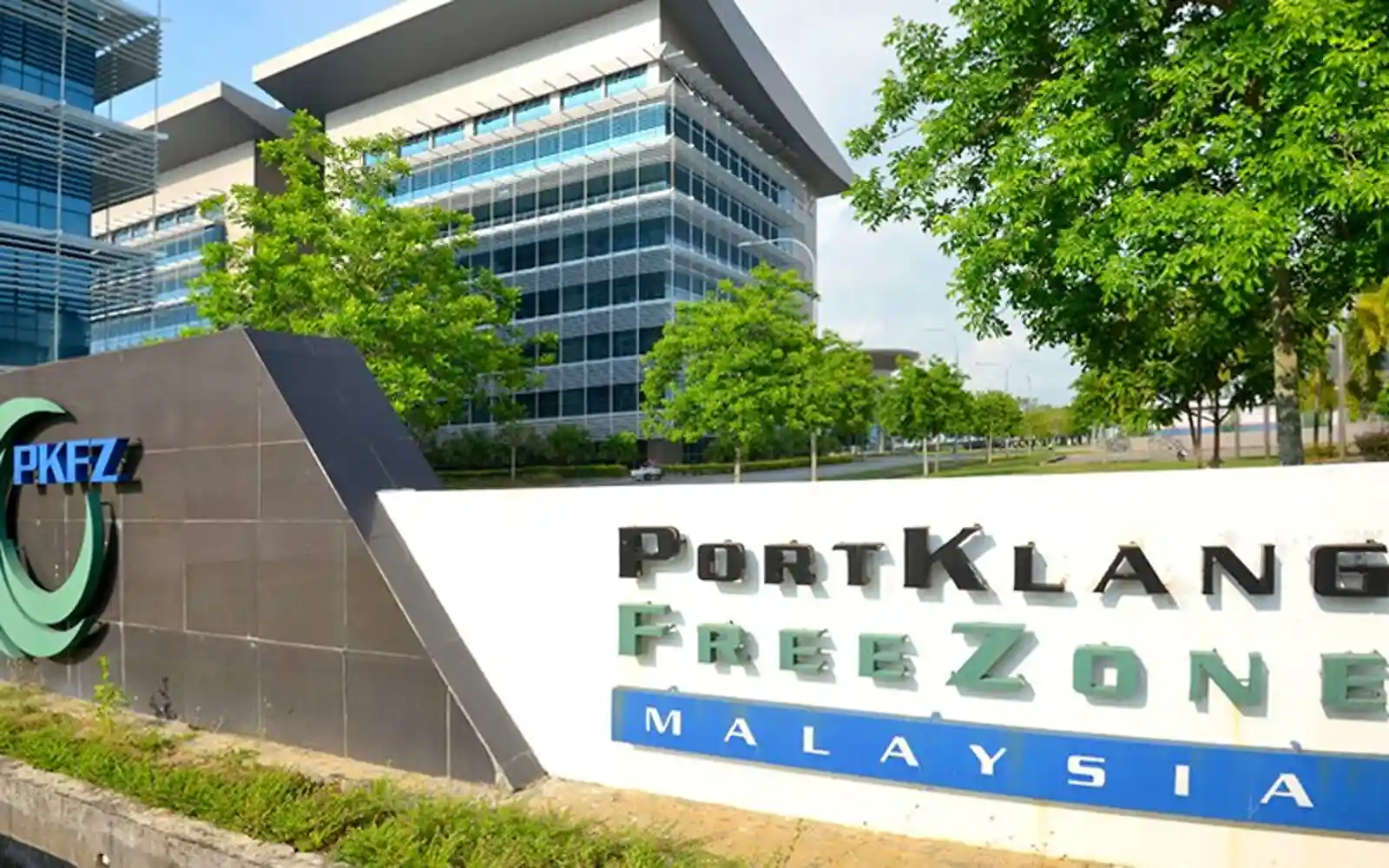
The Port Klang Free Zone (PKFZ) is steadfast in its dedication to hosting legitimate, compliant, and commercially viable businesses, according to its chairman Lim Lip Eng. Despite reports suggesting Malaysia has been classified as a Tier 2 country with a high risk of illegal transshipment, Lim asserts that this should not be taken as proof of tariff evasion or illicit cargo movements at PKFZ.
The chairman emphasized that Malaysia is a significant regional manufacturing and logistics center, and legitimate international trade typically includes global supply chains, intermediate processing, consolidation, and re-export activities.
As a Free Zone and integrated logistics hub, PKFZ adheres to a stringent regulatory framework for customs and trade compliance. All companies, manufacturers, traders, and logistics operators aiming to establish operations within PKFZ must undergo rigorous screening, due diligence, and meet regulatory obligations. These requirements encompass compliance with Malaysian laws, customs regulations, free-zone statutes, and the directives from relevant government bodies.
Lim's statement was made in response to news articles alleging Malaysia's involvement in illegal transshipment.
The White House Office of Trade and Manufacturing Policy published a report titled "The Great Transshipment Scam: Rise, Scope, and Costs" asserting that Malaysia functions as both a production "microhub" and maritime gateway, including through PKFZ. However, the report acknowledged that the recent shift in US import sourcing away from China does not confirm that all displaced Chinese trade was illegally redirected.
Lim clarified that matters concerning goods' origins and export certifications are regulated by the appropriate national authorities, not PKFZ. The issuance of Non-Preferential Certificates of Origin (NPCO) for exports to the US is managed by the investment, trade, and industry ministry (Miti).
Lim elaborated that the NPCO certification process is thorough, necessitating items such as cost analysis, statutory declarations, company and manufacturing data. Miti collaborates with the customs department to tackle possible transshipment violations. Lim reiterated PKFZ's commitment to hosting legitimate, compliant, and commercially sustainable businesses.
In instances of regulatory concerns or signs of non-compliance, Lim pledged full cooperation with Miti, the customs department, and other pertinent authorities to take appropriate action.
Written by urgent.news from Free Malaysia Today's reporting — not their text. Machine-written — may contain errors; check the original before relying on it.
Also reported by 1 other outlet
- Chinese-linked businesses in PKFZ are not evidence of tariff evasion freemalaysiatoday.com