Urgent.News

650+ sources. One page. See who else covered it.

Editions

Business

China’s 32,000-kilometer solar trade route that battled U.S. tariffs

The route let companies to obscure work done in China and Indonesia to deliver solar panels to the U.S. without tariffs.
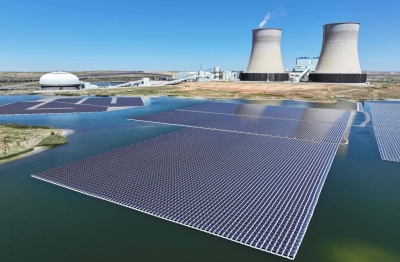
China’s 32,000-kilometer solar trade route that battled U.S. tariffs

U.S. President Donald Trump took steps to safeguard American solar manufacturers, partly due to a 32,000-kilometer trade route that operated between Kenya and an Indonesian island near Singapore. This route enabled firms to obscure manufacturing activities in China and Indonesia when delivering solar panels to the U.S. market, avoiding tariffs, as Bloomberg News discovered through trade and company data analysis.

The route emerged and expanded rapidly within a year, handling more than $100 million in monthly trade flows. Rapid trade shifts have become frequent in the solar industry as U.S. authorities tackle what they deem unfair trade practices by China. In response, companies relocated production to new countries like Vietnam and Indonesia, only for Washington to impose fresh tariffs, prompting firms to seek additional locations.

Written by urgent.news from Japan Times's reporting — not their text. Machine-written — may contain errors; check the original before relying on it.


Read the original at japantimes.co.jp →

More in Business

Apartment Investment: Higher Interest Rates Lead to a Chain Reaction of Rent Increases - Owners' and Tenants' Thoughts In recent years, the real estate market in Japan has experienced significant changes. The prolonged period of low interest rates has come to an end, and the effects are being felt in the apartment investment market. Many apartment owners who have taken out loans to purchase their properties are now facing increased financial burdens due to rising interest rates. In an effort to offset these increased costs, some owners have been forced to raise rents, leading to a chain reaction of rent increases across the market. This trend is particularly noticeable in urban areas, where demand for apartments is high and owners have more leverage to increase rents. However, this has put pressure on tenants, who are already facing rising living costs and stagnant wages. Many tenants are struggling to cope with the increased rent burden, and some have been forced to look for alternative housing options. The situation has also raised concerns among experts, who warn that the trend could have far-reaching consequences for the overall economy. If rent increases continue to outpace wage growth, it could lead to a decrease in consumer spending and economic growth. The Japanese government has implemented policies aimed at controlling rent increases and protecting tenants' rights. However, more needs to be done to address the root causes of the problem and ensure that the apartment market remains stable and affordable for all. As the situation continues to unfold, it is essential to consider the thoughts and concerns of both apartment owners and tenants. Owners are facing increased financial burdens and are seeking ways to offset these costs, while tenants are struggling to cope with rising rents and living costs. Ultimately, finding a balance between the interests of owners and tenants will be crucial in ensuring that the apartment market remains stable and sustainable in the long term.

Thailand seeks EAEU free trade deal

Talks on a free trade agreement (FTA) between Thailand and the Eurasian Economic Union (EAEU) hopefully will begin soon, helping expand trade with the bloc, says Deputy Prime Minister and Foreign…

  • Thailand seeks FTA with Eurasian Economic Union (EAEU)
  • Russian officials invited to join FTA talks
  • Aim to expand trade between Thailand and EAEU bloc

More from Saturday 15 August →