Can one agarbatti a day increase diabetes risk?
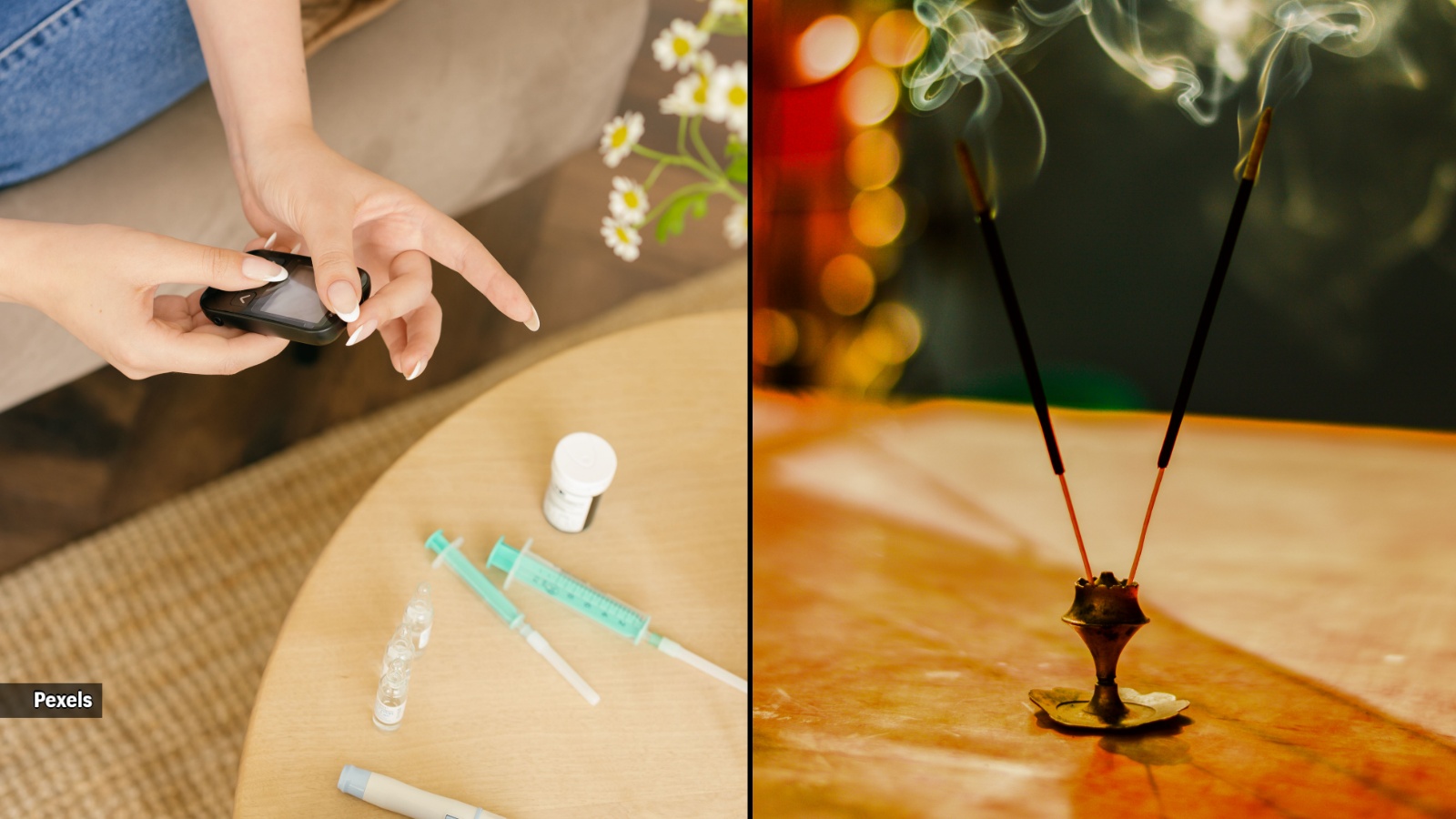
Incense burning, or agarbatti use, is common in many Indian households for prayer, festivals, and to freshen up the air. However, growing online claims about its potential link to diabetes have prompted an investigation into its true impact. While some experts say agarbatti isn't a confirmed diabetes risk factor, the broader issue of air pollution poses a concern.
Fine particulate matter, carbon monoxide, and volatile organic compounds released during incense burning have been linked to inflammation and insulin resistance, conditions related to diabetes. Dr. Rajiv Kovil, a Diabetes & Obesity Specialist, clarifies that while there's no direct evidence that a single incense stick raises blood sugar, prolonged exposure to combustion pollutants could contribute to oxidative stress and inflammation, impacting insulin sensitivity.
The frequency, duration, and ventilation of incense use matter more than occasional use. Daily, heavy, and poorly ventilated exposure increases the risk compared to a brief, well-ventilated session. The type of incense matters too, as ingredients and emissions vary. However, no specific "diabetogenic" fragrance has been proven. For those with diabetes, an already higher cardiovascular risk, reducing unnecessary indoor smoke exposure is advisable.
Maintaining good ventilation and keeping rooms well-ventilated are practical steps to minimize potential risks from incense smoke.
Written by urgent.news from The Indian Express's reporting — not their text. Machine-written — may contain errors; check the original before relying on it.
Also reported by 1 other outlet
- Can one agarbatti a day increase diabetes risk? indianexpress.com