Can Carney fast-track a pipeline while also protecting endangered orcas?
Despite government commitments to protect the southern resident killer whales, environmentalists warn it may be impossible to do so while pursuing 'national interest' projects.
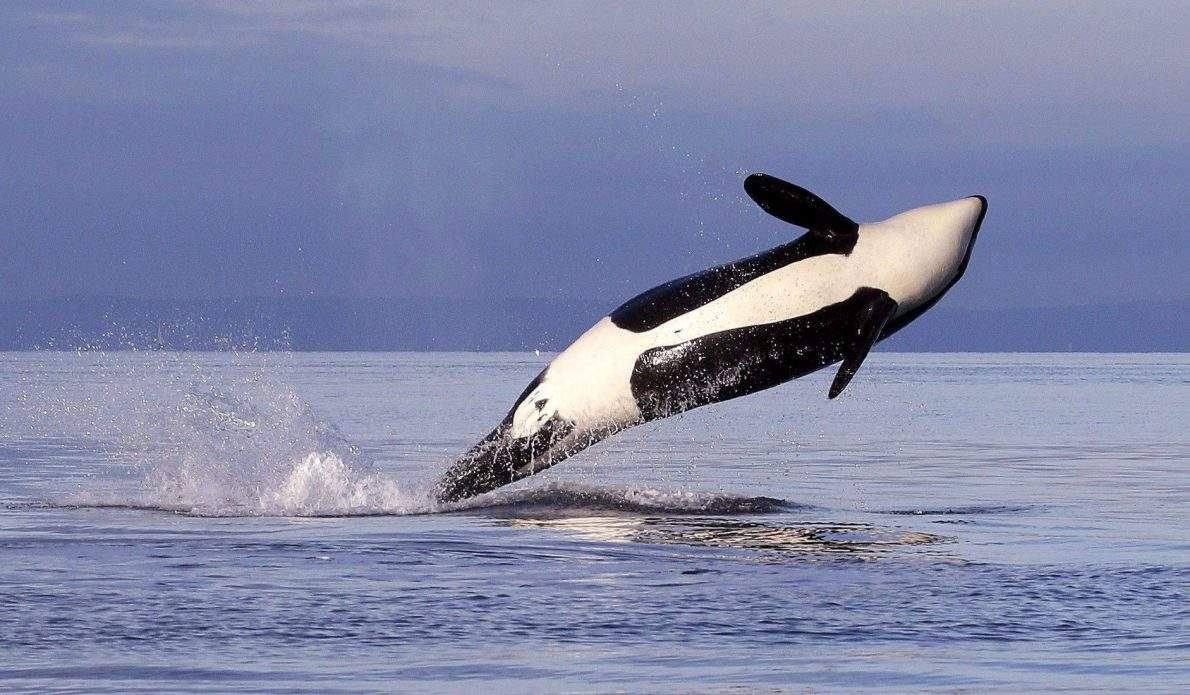
Prime Minister Mark Carney and Alberta Premier Danielle Smith have reached an agreement to advance the proposed new pipeline from Alberta to British Columbia, stating that the government is committed to protecting the endangered southern resident killer whale population. However, environmentalists are skeptical about striking a balance between environmental and economic considerations, citing evidence that the whales' population continues to decline and could be at further risk due to additional tanker traffic in the Salish Sea.
The federal government has designated the proposed pipeline as a "national interest" project, allowing it to receive special treatment, including exemptions from certain environmental laws. This has raised concerns that the government may override findings that the pipeline poses potential risks to the southern resident killer whales if an assessment concludes otherwise.
The salient issue is that underwater noise from vessels, including commercial tankers, is identified as a top threat to the survival of these whales, which rely on echolocation for hunting and travel. The government is also investing over $250 million in the Whales Initiative over five years, aimed at protecting at-risk whale populations, yet environmentalists remain doubtful about the potential impact.
Written by urgent.news from Global News's reporting — not their text. Machine-written — may contain errors; check the original before relying on it.
This story
This is one outlet's version. Read the fullest account.