Batam data center expansion threatens water, electricity supplies
Batam has attracted at least 16 new data centers in various stages, despite limited clean water and electricity infrastructure.
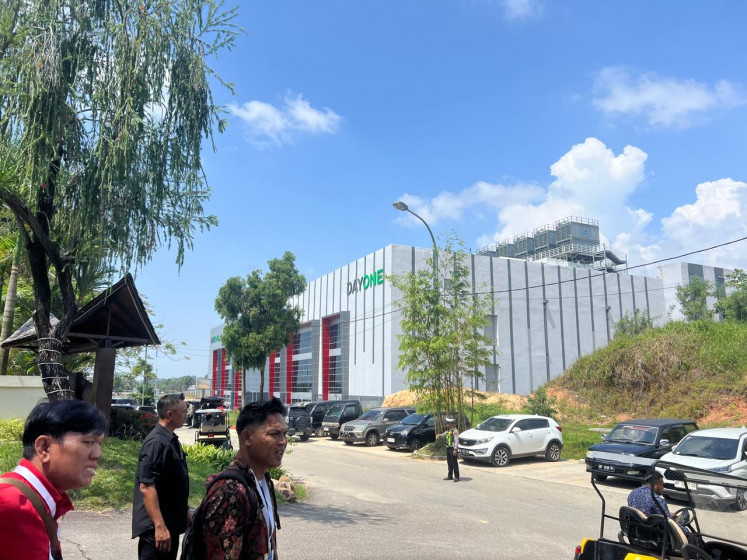
Batam, a city in Indonesia, has become a hotspot for data centers due to its proximity to Singapore and Malaysia, as well as the support provided by its submersible fiber optic cable network. However, this rapid expansion has raised concerns about the adequacy of the city's utility infrastructure, particularly in terms of clean water and electricity supplies.
Suyono Saputra, an academician from Batam International University’s Economy and Business Faculty, expressed worry that the mushrooming of data centers in Batam is not being accompanied by adequate planning for these utilities. He emphasized the lack of clean water and electricity infrastructure, which could compromise the resilience of these facilities for the public.
The academician explained that the allure of Batam lies in its strategic location and the support offered by the submersible fiber optic cable network, making it an attractive alternative route for data centers worldwide. However, he cautioned that relying solely on raw water sources in Batam could be hazardous. He suggested that a long-term solution involves desalination, which would require substantial financial investment and time.
Suryo highlighted the necessity of applying the "utility first, investment follows" principle. This means that infrastructure should be prepared before attracting further investments. If this isn't done, a supply crisis could adversely affect residents, despite the lower operational and energy costs in Batam.
The energy and water demands of these data centers are substantial. Server cooling systems in large-scale data centers require around 18.93 million liters of water per day, equivalent to the consumption of 10,000 to 50,000 residents. However, Batam's current clean water production is only 3,487 liters per second from six reservoirs, indicating a significant gap.
Written by urgent.news from The Jakarta Post's reporting — not their text. Machine-written — may contain errors; check the original before relying on it.