Bar Council of India seems to have forgotten both the freedom to question and the limits of its power
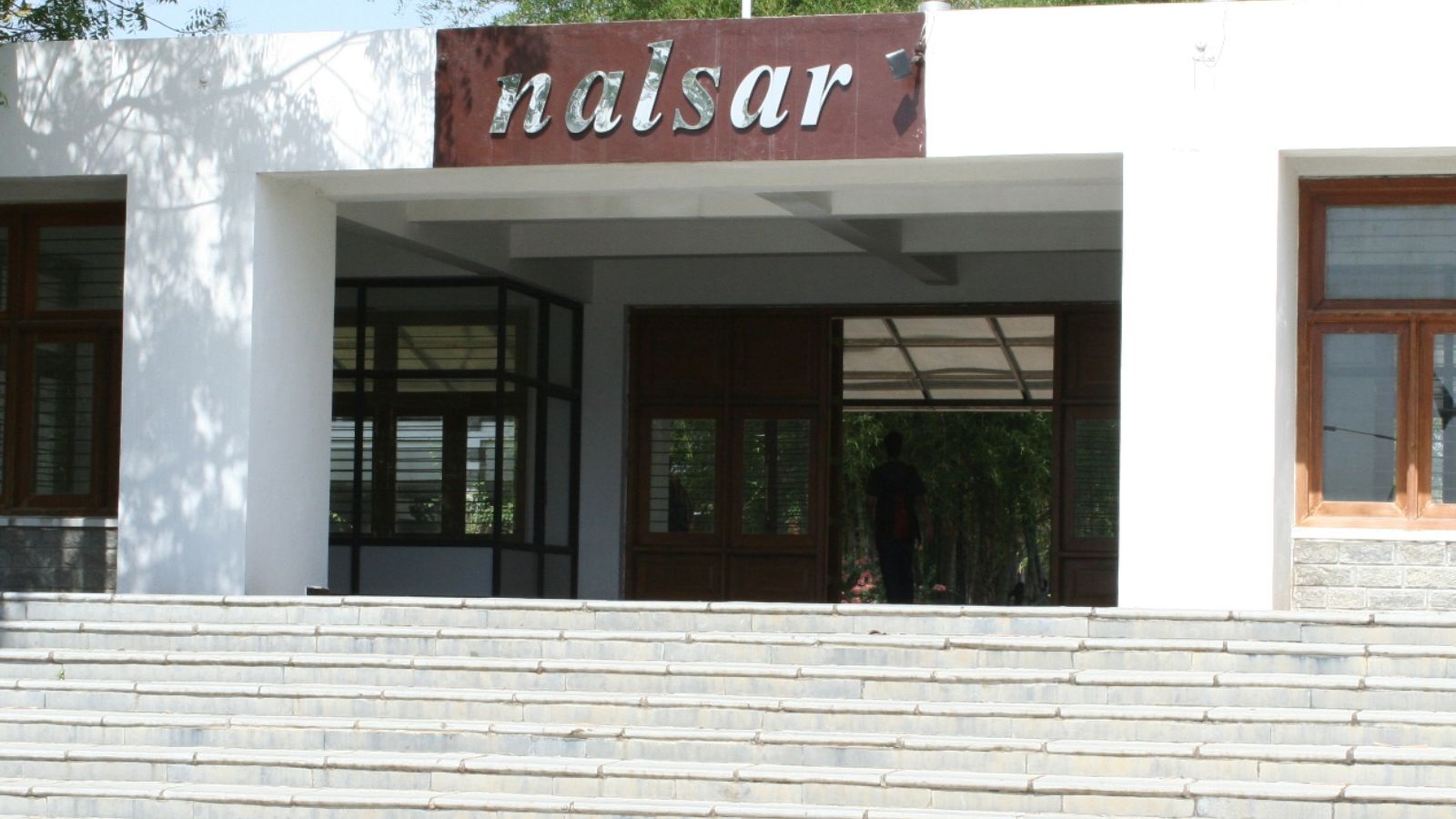
The Bar Council of India (BCI) issued a directive on August 13, mandating a mass debarment of the 2026 graduating law students at NALSAR University of Law in Hyderabad, preventing them from becoming advocates. The directive was intended to discipline the students after they expressed reservations to their Vice Chancellor regarding an invitation extended to the Chief Justice of India as the chief guest for their 2026 convocation.
The BCI further sought an inquiry report from NALSAR to identify the students and individuals who may have aided them, including members of the Student Bar Council, faculty, and alumni. The public outcry was immediate, leading to the BCI's reversal of its directive shortly after midnight on August 14. However, the BCI's actions have raised significant concerns as the directive did not cite any provisions of the Advocates Act, 1961, which would grant the BCI the authority to interfere in the internal matters of a law university or prevent law graduates from enrolling as advocates.
The Advocates Act, 1961 only lays down specific grounds for disqualification from enrolment, such as convictions for certain offenses and dismissal from government employment on charges of moral turpitude. Furthermore, the BCI's directive ignored a crucial Supreme Court judgment from 1995, which held that the BCI's rule-making power only extends to the right of practice of advocates and cannot be expansively construed to regulate anyone at the pre-enrolment stage.
The Court struck down a rule framed by the BCI that barred individuals aged 45 and above from enrolling as advocates. The BCI's directive can thus be considered legally invalid due to the lack of authority and evidence to support its actions.
Written by urgent.news from The Indian Express's reporting — not their text. Machine-written — may contain errors; check the original before relying on it.