Alice Seeley Harris took her camera to the Congo on her honeymoon in 1898. Her gruesome photograph of severed hands helped to end one of history's greatest wrongs
Little known and long uncredited, she may have been the first photographer to use a camera to stop human rights abuses
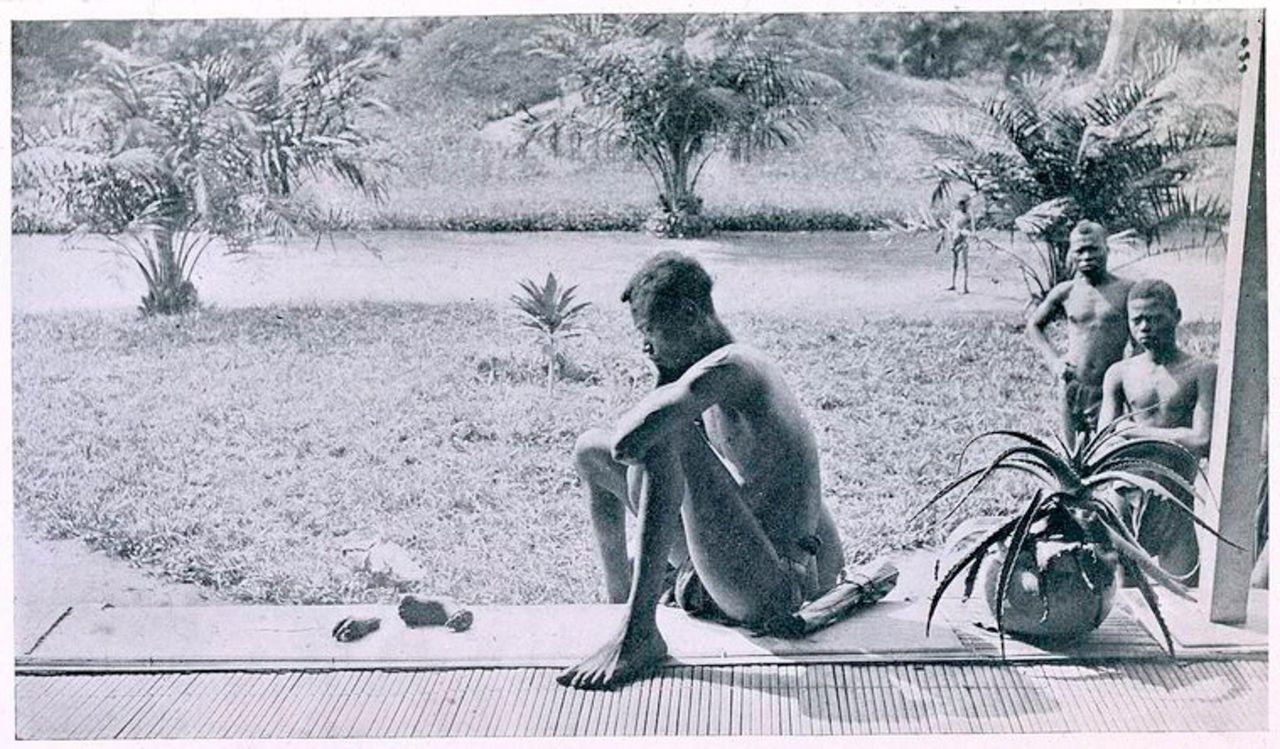
In 1898, Alice Seeley Harris, a British missionary on her honeymoon, journeyed to the Congo Free State to document the atrocities she witnessed. Despite lacking formal photography training, Harris undertook a mission to expose the brutal consequences of rubber quotas imposed on local villages by Belgian King Leopold II. Her photographs, which depicted severed hands and feet of victims, were deliberately constructed as pieces of evidence.
Harris's strategic use of images as a form of testimony proved to be a more potent tool than written accounts, as they could not be easily dismissed. Her work garnered attention through pamphlets, reproductions by Mark Twain, and lantern slides, ultimately leading to international pressure on Leopold II. The photographs played a pivotal role in his eventual relinquishing of personal control over the Congo Free State in 1908.
However, Alice Seeley Harris's contributions remained largely unrecognized, with her husband, John, receiving the majority of the credit for their work. Decades later, a series of exhibitions in Frome, Somerset, have helped shed light on Harris's significant role in advocating for justice through photography.
Written by urgent.news from Digital Camera World's reporting — not their text. Machine-written — may contain errors; check the original before relying on it.