AC vests and UV parasols: East Asia deploys heat-fighting gadgets
East Asia's summers are becoming hotter and longer, and such "personal cooling" has become a ubiquitous part of daily life.
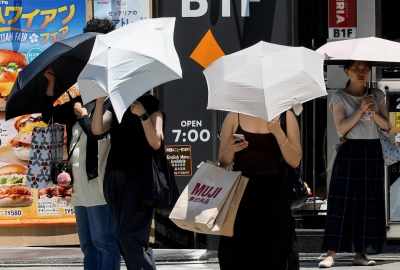
In East Asia, the heat has become increasingly intense and prolonged, leading people to turn to various gadgets and high-tech solutions to stay cool. Hand-held fans, once a ubiquitous sight in Tokyo, are now joined by more sophisticated products that use science behind semiconductors and electrical currents to generate a chill. The sensation is described as "like holding a cold drink against your neck" by 20-year-old Eimi Nakayama, a university student.
The market has expanded to include air-conditioned apparel, cooling sprays, and even vests with metal plates that cool the wearer. Sales of these products have surged, and both employers and governments have started to see them as a necessity rather than a luxury. In Japan, the birthplace of the fan-cooled jacket, the online market for "heat countermeasure" products has grown more than sixfold since 2020.
Governments and employers are increasingly adapting to the extreme heat by providing cooling measures for their workers. Chinese delivery platform Meituan is testing "air-con jackets" for delivery workers in Chongqing, while Hubei province in central China has equipped workers with waist-mounted mini fans. In Japan, the Ministry of the Environment and Tokyo's government have promoted the use of parasols to reduce heat stress, while some South Korean municipalities have equipped street cleaners with cooling vests.
Researchers and startups are developing innovative solutions to beat the heat. In South Korea, cooling neck bands are becoming popular, with one startup founder predicting she will sell around 60,000 units this year. However, experts caution that these gadgets should not be considered a cure-all, especially when temperatures exceed 33 degrees Celsius (91 degrees Fahrenheit). In such cases, they advise simple low-tech solutions like staying hydrated, keeping feet cool, and using parasols that block ultraviolet rays.
Written by urgent.news from Japan Times's reporting — not their text. Machine-written — may contain errors; check the original before relying on it.