55 years of AUKU, Malaysian universities need a new social contract — Phar Kim Beng
AUGUST 15 — For 55 years, the Universities and University Colleges Act 1971 (AUKU) has defined the boundaries of s...
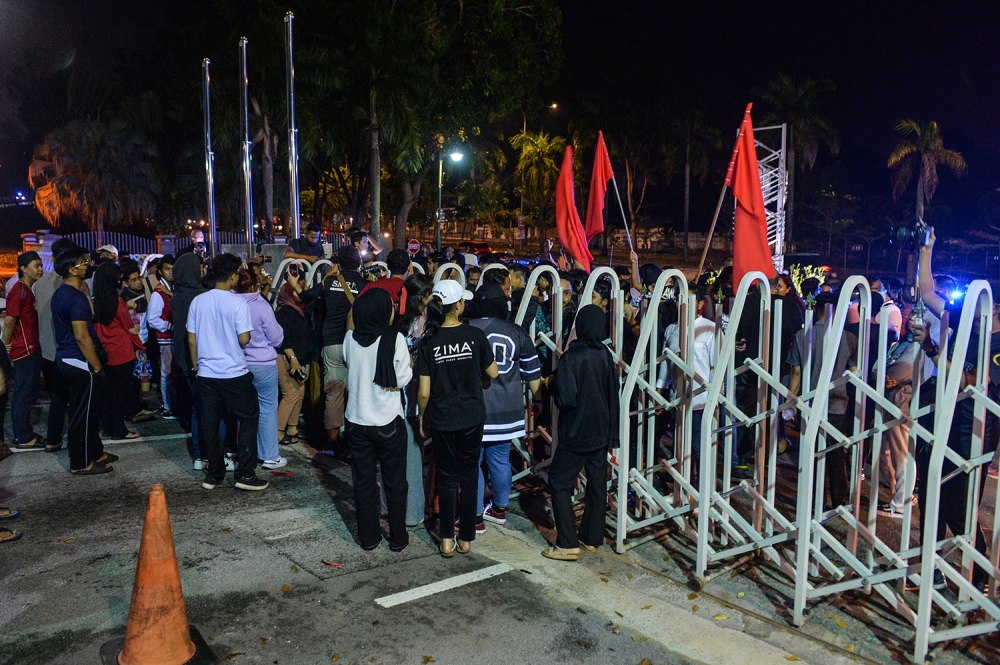
For 55 years, the Universities and University Colleges Act 1971 (AUKU) has shaped Malaysian public university life and political participation. Prime Minister Anwar Ibrahim's plan to abolish AUKU signifies more than just repealing a controversial statute; it offers Malaysia a chance to reassess the connection between university students and the nation's democratic framework.
AUKU emerged in 1971 during Malaysia's unique political and social context. Over time, especially after 1970s amendments, the Act was linked to limitations on student political activities and organizations. Although restrictions have been lessened and student groups have experienced more freedom, the question of what Malaysia expects from its university students with that newfound freedom is more pressing than merely considering their increased liberty.
Universities should serve as democratic training grounds, where Malaysian youth learn the workings of democracy. This involves organizing debates on government policies, inviting representatives from various political parties, questioning politicians, discussing legislation, and openly debating with one another. Universities should not encourage partisan politics but rather teach students that politics extends beyond political parties.
Democracy necessitates citizens capable of scrutinizing evidence, evaluating policies, comprehending institutions, and listening to opposing viewpoints.
The 2023 Undi18 reform, which allows 18-year-olds to vote, vote in political campaigns, and, subject to the law, seek elected office, makes the case for this more compelling. University students are already active participants in Malaysia's democratic system. Hence, it becomes increasingly hard to argue that they are not mature enough to participate in political discussions on campus while holding the position of citizenship-in-waiting.
In the post-AUKU university system, political awareness should not be seen as a threat to university life but rather as an integral part of preparing young Malaysians to understand and eventually lead the country they will inherit.
However, greater freedom should not mean allowing universities to become extensions of Malaysia's political parties. Political participation and political capture are distinct concepts. Politicians from both the government and opposition should be able to engage with university audiences, but students must be equally free to challenge both.
No political party should assume that increased campus freedom grants it the right to transform universities into recruitment grounds. The aim should be exposing students to competing ideas. A student supporting the government and another opposing it should be able to attend the same political forum, challenge the same speaker, and depart with different conclusions.
Learning to disagree without perceiving political opponents as enemies is a fundamental aspect of democratic education. Malaysia needs more of this, not less.
The end of AUKU should also encourage Malaysia to reconsider student representation. Student organizations should have genuine autonomy to manage their activities, finances, and elections. Student representatives should be capable of questioning university decisions and advocating student interests without being treated as adversaries of university management.
Experiencing democratic leadership early can strengthen, rather than weaken, Malaysia's political culture. Future politicians, civil servants, entrepreneurs, academics, and community leaders are currently in university classrooms. Allowing them to encounter democratic leadership can fortify Malaysia's political culture rather than undermine it.
However, freedom must come with responsibility. The abolition of AUKU does not exempt university students from Malaysian laws. They remain citizens subject to the same legal obligations as everyone else. While political freedom should not permit violence, intimidation, harassment, or unlawful conduct, the difference lies in the philosophical understanding that universities maintain order without over-policing political thought. At the same time, students seeking greater freedoms must respect these responsibilities.
Written by urgent.news from Malay Mail's reporting — not their text. Machine-written — may contain errors; check the original before relying on it.