25 caribou moved to Alaska island as emergency food grew into herd of 2,750
Following the closure of the military base, a herd of caribou was introduced to enhance food reserves, leading to a dramatic surge in their numbers. With no natural predators or hunting, their population exploded, causing significant overgrazing that harmed the island's delicate flora and soil. This unchecked growth prompted the caribou to migrate to Kagalaska Island, raising new ecological…
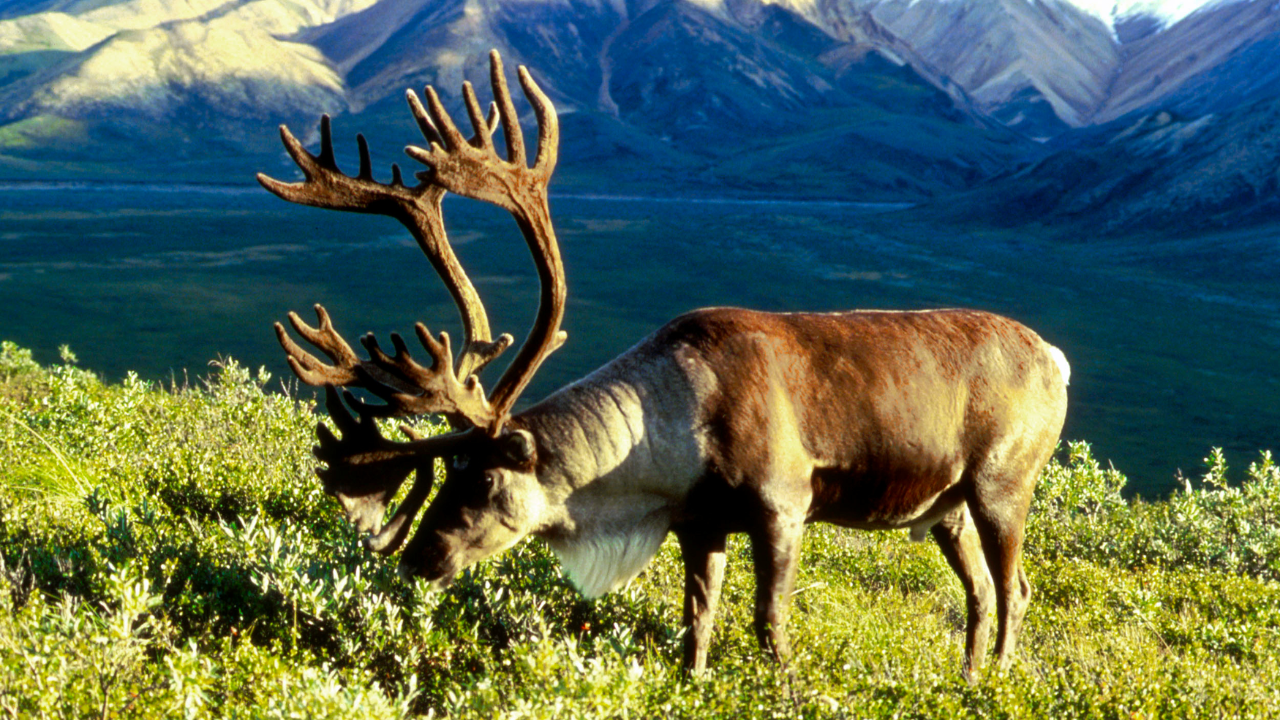
In 1958, a group of just 25 caribou calves were transported to a remote Alaskan island as part of a Cold War effort to establish an emergency food source for US military personnel stationed on Adak Island. The plan aimed to create a self-sustaining herd that could provide hunting opportunities and, crucially, serve as an alternative food supply in case regular supply routes were disrupted.
The young caribou were successfully raised on the island, with marine personnel ensuring their survival through bottle-feeding and providing suitable bedding until they could thrive independently.
The initial herd thrived under the unique conditions of Adak Island. The absence of natural predators like wolves and bears, coupled with a relatively mild climate and an abundance of lichens and mosses, allowed the population to grow rapidly. For several decades, from 1958 until the early 1990s, the herd remained stable, with military personnel regularly hunting the caribou to manage their numbers. This hunting activity effectively mimicked the natural predation that would typically control herd size.
However, the situation changed dramatically in 1994 when the US Department of Defense closed Naval Air Station Adak, reducing the island's population of military personnel. As the number of hunters dropped significantly, the caribou's population began to explode without any natural predators to keep it in check. By 2005, an aerial and ground survey conducted by the Alaska Department of Fish and Game (ADF&G) and the US Fish and Wildlife Service counted approximately 2,750 caribou on the island.
Subsequent surveys, including a joint census in 2012, confirmed that the population had continued to rise, with estimates ranging between 2,500 and 2,800 animals.
The rapidly expanding caribou herd began to impose severe pressures on Adak Island's fragile ecosystem. The animals' overgrazing led to significant damage to the island's limited vegetation, particularly in the southern regions. The caribou consumed large amounts of native vegetation, including slow-growing lichens, which can take decades to recover after heavy grazing.
This overconsumption not only depleted the vegetation but also created numerous trails that contributed to soil erosion, especially along coastal ridges and around lakes and low-lying areas.
As the herd continued to grow, the caribou began venturing beyond Adak Island, migrating to nearby Kagalaska Island via a narrow stretch of water. Researchers from the US Geological Survey (USGS) later discovered evidence of caribou living on Kagalaska Island, with field surveys between 2010 and 2015 documenting both caribou signs and live animals on the island.
Wildlife managers became increasingly concerned about the potential for the caribou to establish a permanent breeding population on Kagalaska and subsequently spread to other islands in the Aleutian chain.
Controlling the growing herd proved to be a challenging task. The remote location of Adak Island, situated nearly 1,200 miles southwest of Anchorage, made it logistically difficult and costly to bring in hunters or professional teams for management. Attempts to regulate the herd through increased hunting efforts, which were expanded after the military base closed, were not always sufficient to keep pace with the natural growth of the population. The island's isolation also made large-scale control operations particularly complicated.
The story of the Adak caribou serves as a cautionary tale about the unintended consequences of introducing animals for short-term purposes. While the initial introduction of the herd provided a much-needed food source during the Cold War, the lack of natural predators and the island's unique conditions led to an out-of-control population that threatened the island's fragile ecosystem.
The case highlights the importance of considering the long-term ecological impacts of human interventions and the potential for even well-intentioned actions to create significant environmental problems when conditions change.
Written by urgent.news from Times of India's reporting — not their text. Machine-written — may contain errors; check the original before relying on it.