Young Indian farmers using agri-tech could narrow a generational gap
India is pushing to use drones, satellite data and digital apps to help farmers cope with climate stress and more. But such agri-tech is no magic bullet The post Young Indian farmers using agri-tech could narrow a generational gap appeared first on Dialogue Earth .
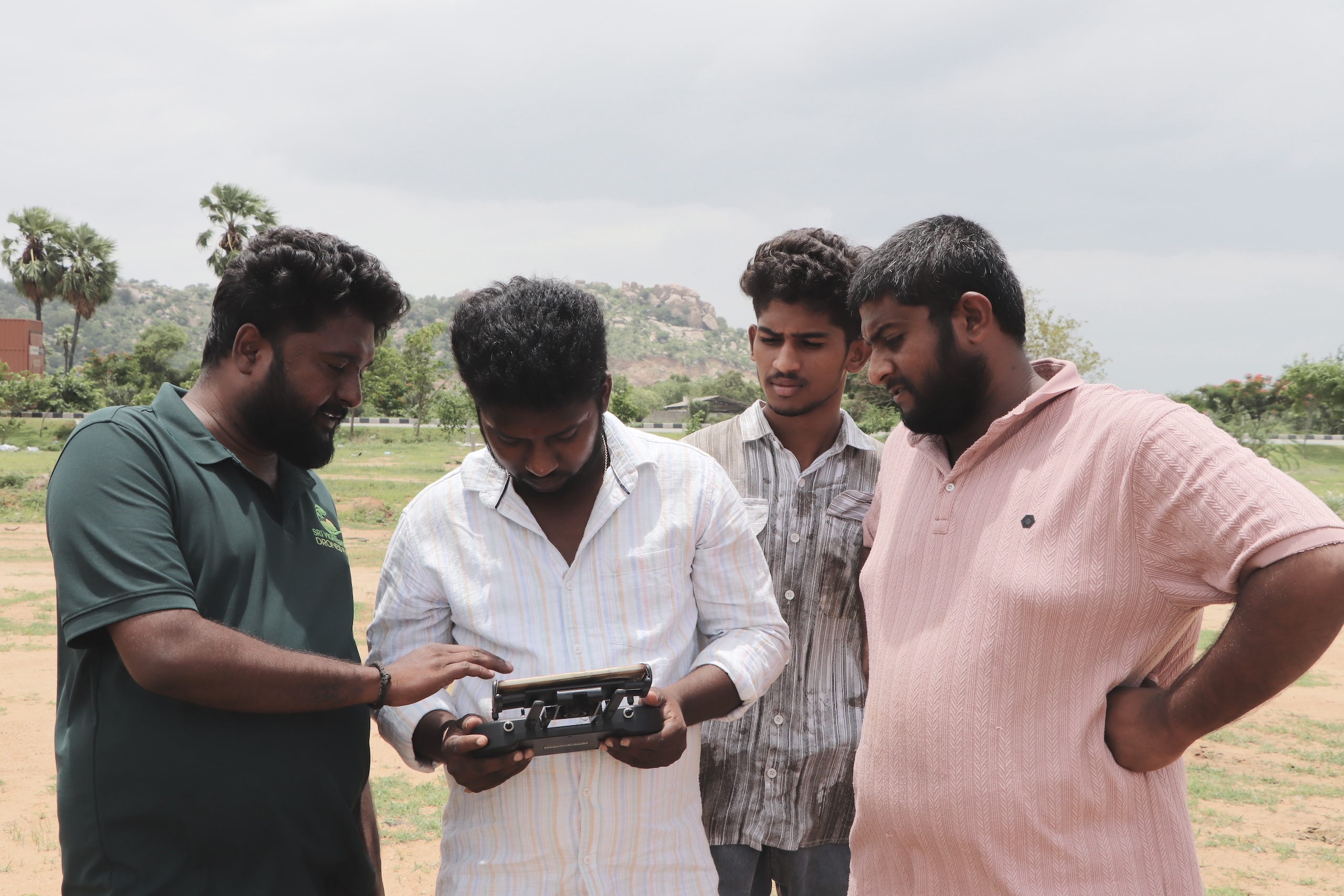
In southern India's Telangana region, a group of young university students from farming families plan to leverage agri-tech to bridge the generational gap in agriculture. They aim to offer pesticide spraying services using drones, charging local farmers INR 400-500 (USD 4-5) per acre. These students, such as 21-year-old Shiva Reddy, already use drones to spray pesticides on their crops and estimate annual earnings up to INR 10 lakh (USD 10,000) if they offer the service to others.
The young farmers are embracing digital advisory services and precision agriculture to adapt to climate change and labor costs. They are also open to precision agriculture, which uses data to manage crop variations. India is moving towards adopting such technologies to increase efficiency and reduce environmental impacts, according to agricultural researchers.
The government’s Digital Agriculture Mission, established in 2024, has launched digital platforms to help farmers keep track of farming-related data. These platforms include Agri Stack, a unified database of farmer, land, and crop records, and the Krishi Decision Support System, which analyzes soil health, satellite imagery, and weather data to generate yield estimates and drought assessments.
The adoption of agri-tech has also impacted older farmers. While younger farmers often support them in navigating these technologies, assisting older farmers while reducing emissions remains a challenge. Muthyala Sathaiya, a 65-year-old farmer, relied on assistance from his 35-year-old neighbor Vanam Jagan to use an online fertiliser booking system.
Written by urgent.news from Dialogue Earth's reporting — not their text. Machine-written — may contain errors; check the original before relying on it.