Yes, the Iran War Really Is Similar to Vietnam
Trump’s war is “The Best and the Brightest”—but without the best and the brightest.
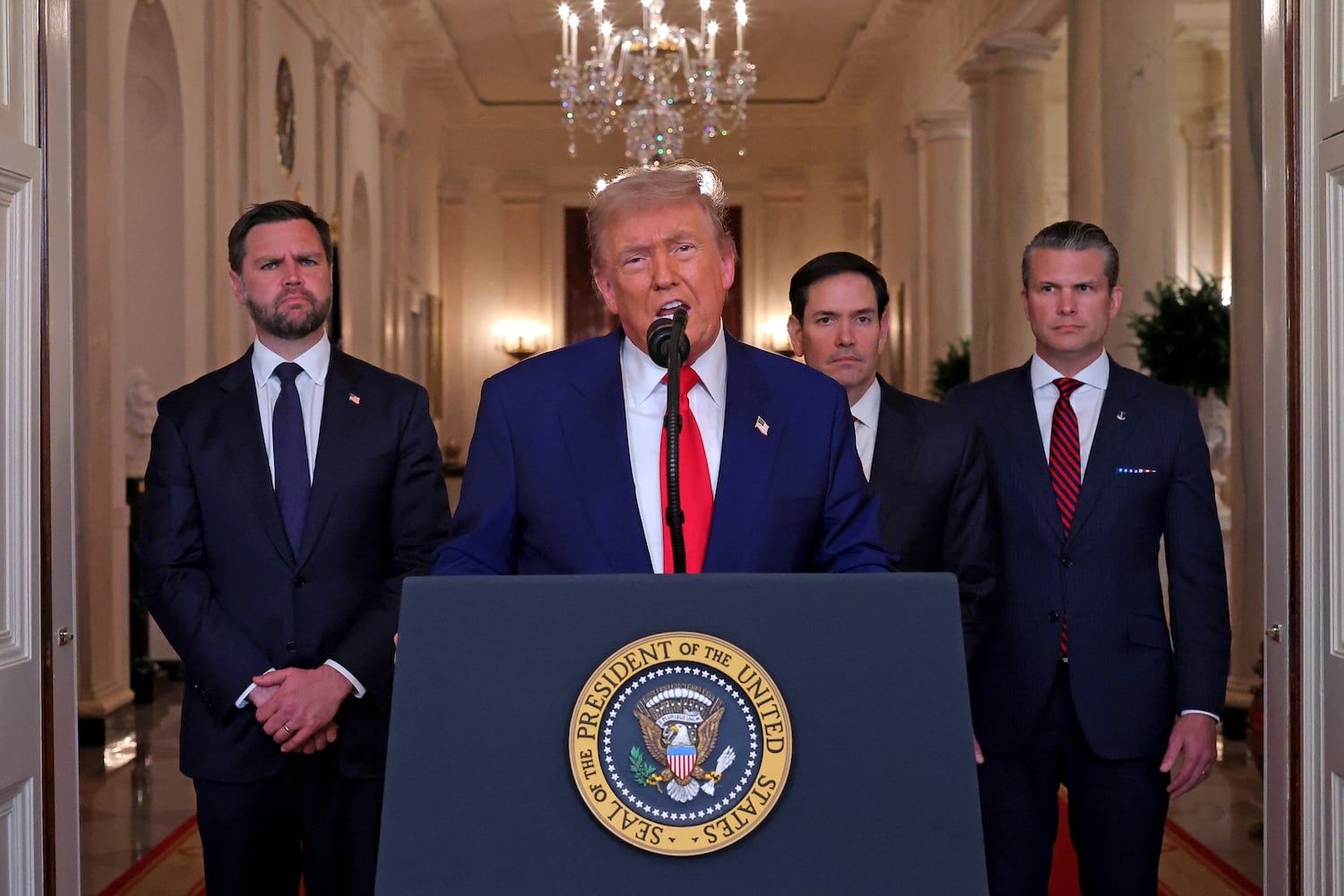
The Iran war bears a striking resemblance to the Vietnam conflict, as highlighted in David Halberstam's seminal work, "The Best and the Brightest." Published in 1972, Halberstam's book offers a scathing critique of the administrations of Presidents John F. Kennedy and Lyndon B. Johnson, who led the United States into the Vietnam War without a clear understanding of its objectives or a viable path to victory.
Many of the same failings that characterized the Vietnam War are evident in the current Iran War. Both conflicts were waged with ill-defined goals, often driven by ideologically motivated individuals who lacked expertise in the countries they sought to influence. The planning for these wars was largely shrouded in secrecy, with limited public debate or consultation with Congress or allies.
Dissent was rarely tolerated, and the U.S. placed unwavering faith in its military technology and overwhelming firepower to achieve success.
Initially, the Iran War was touted as a short and decisive campaign, much like the early optimism surrounding the Vietnam War. However, it quickly became apparent that these assumptions were misguided. The White House's lack of clarity regarding what victory would entail or how to gauge progress mirrored the strategic indecision that plagued the Kennedy and Johnson administrations in Vietnam.
Moreover, the moral purpose of both conflicts has been called into question. The Iran War's objectives have been mired in rhetoric that has reached new depths of extremism, even compared to the atomic bombings of Japan during World War II. The U.S. aims for Iran now include a vow to eradicate another nation's civilization, a level of nihilism previously unseen in U.S. politics.
Despite these similarities, the Iran War's trajectory remains uncertain. While there are troubling parallels to the Vietnam War, the outcomes and lessons learned from that conflict may not be applicable in the same way. The struggles faced by Washington in both wars underscore the dangers of underestimating the complexities of foreign intervention and the importance of clear, achievable goals in pursuit of national security.
Written by urgent.news from Foreign Policy's reporting — not their text. Machine-written — may contain errors; check the original before relying on it.