Why Britain's grass is turning yellow after its driest month ever
After experiencing the driest July on record, England's picturesque green fields have succumbed to a fading yellow hue. This alarming trend of increasing heatwaves significantly affects lawns and public parks. While native grasses possess resilience during droughts and can deepen their roots to conserve water, extended dry periods inevitably lead them to enter a dormant state, awaiting rain.
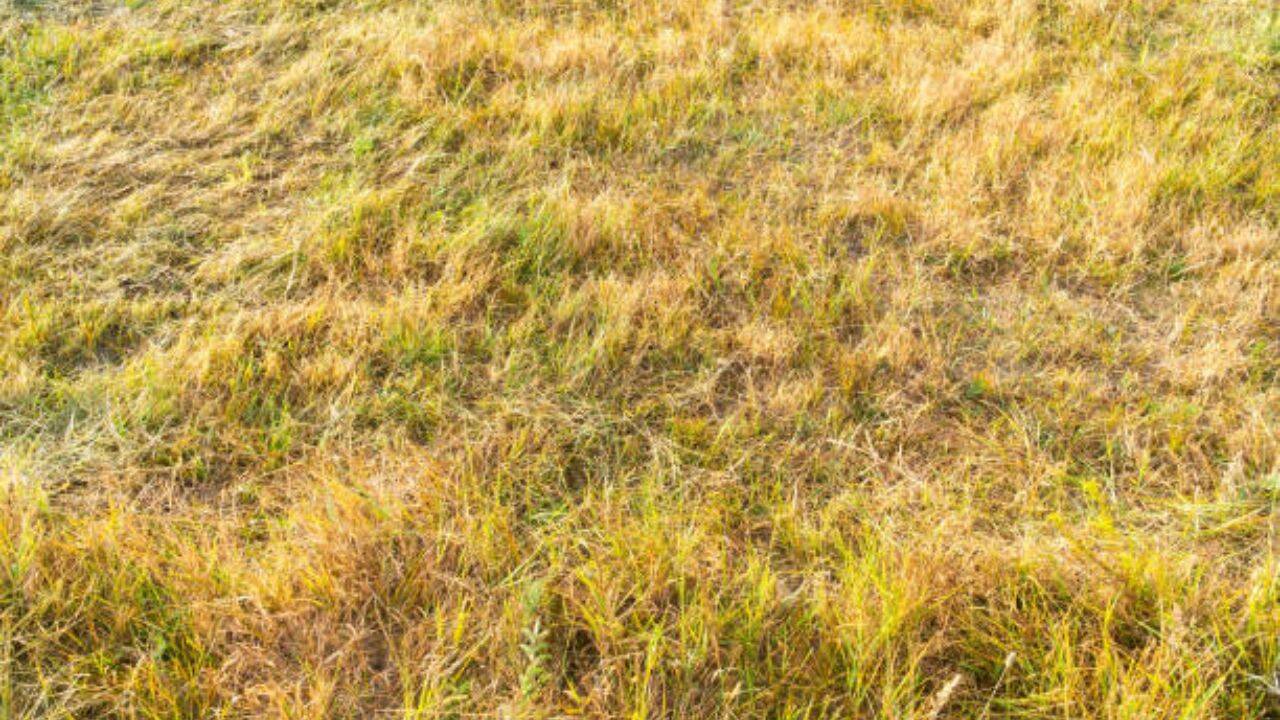
Britain's grasslands, once lush and green, are turning a yellow and golden hue after experiencing its driest month ever recorded in England and Wales, according to recent reports. The prolonged drought has affected the country in four of the last five years, with heatwaves becoming more frequent due to global warming. As water resources are prioritized for homes and farms, lawns and parks have become the most affected areas.
Grasses, a resilient group of plants, are well-adapted to survive in dry conditions. With over 11,000 species, they cover more than 40% of Earth's land area, from tropical savannas to Arctic steppe. Their resilience dates back tens of millions of years, with the earliest fossil grasses found around 55 million years ago, and distinctive mineral deposits in their leaves discovered in late Cretaceous period dinosaur faeces, indicating grasses were present millions of years earlier than previously thought.
In Britain, the main grasses used in lawns are not as well-adapted to dry conditions as their relatives from other regions. However, even native species have ways to survive drought, such as reducing water loss from leaves and sending roots deeper into the soil to seek moisture. During extreme dry conditions, grasses shut down and wait for better conditions, conserving water for the growth of new leaves.
As the outer leaves dry out and die, the critical growing parts survive, ready to produce new leaves once the rains return.
The growing centers accumulate sugars to draw in water and protect their cells from drying out. After previous droughts, dead stalks have slowly recovered when rain returned, and the lawns will likely regain their green color as the weather improves. However, the looming question is whether this will continue to happen with the increasing frequency of harsh summers, threatening Britain's "green and pleasant land."
Written by urgent.news from Times of India's reporting — not their text. Machine-written — may contain errors; check the original before relying on it.