What Nolan’s Odysseus tells us about Western elite’s existential angst
In every civilisation, certain stories capture the psyche so profoundly that they are retold across centuries. In the West, Homer’s Odyssey is the one. Countless adaptations have emerged over millennia, inspiring literary giants from Dante Alighieri to James Joyce. Christopher Nolan’s cinematic adaptation is merely the latest. While it reflects the British-American filmmaker’s personal vision, it…
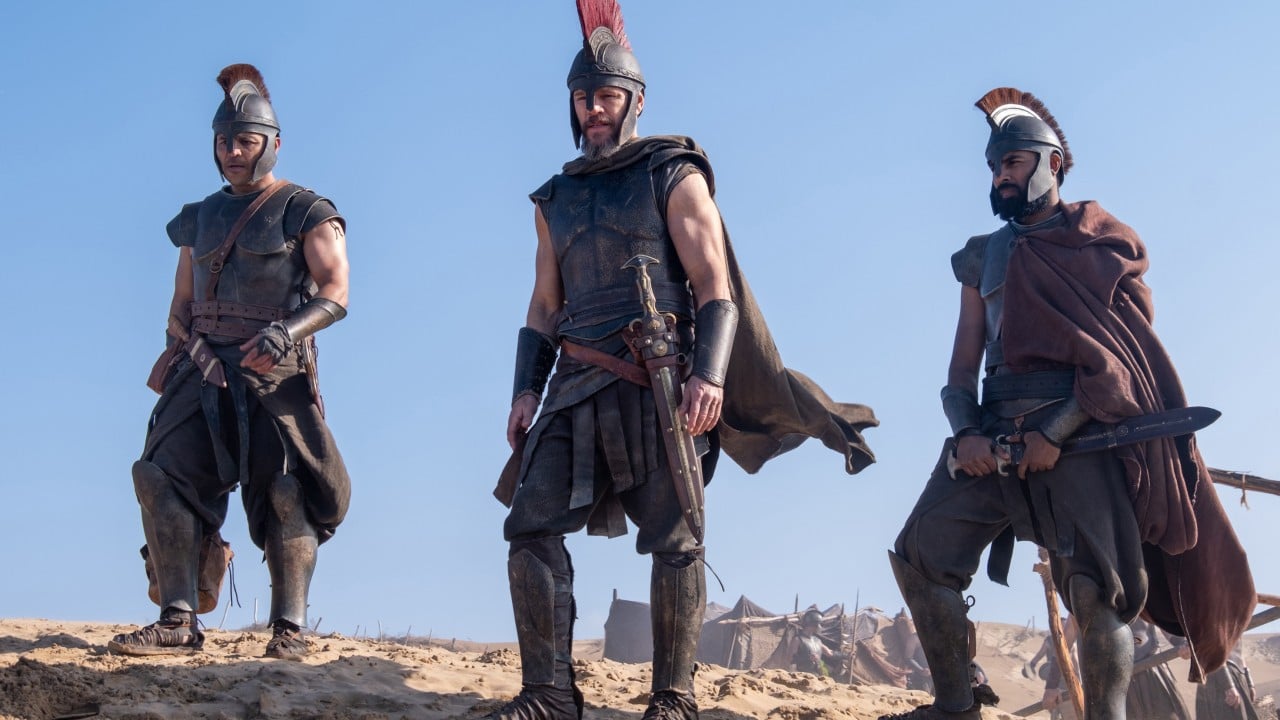
Civilizations often share stories that deeply influence their collective psyche. The Western world holds Homer's Odyssey as one such tale, with adaptations spanning millennia, from Dante Alighieri to James Joyce. Christopher Nolan's cinematic version is the most recent iteration. While it reflects the filmmaker's vision, it also exposes the anxieties and self-reflections of today's Western elite.
Odysseus, the hero of Homer's tale, embodies the ancient Greek ideal of kleos. He is courageous, ruthless, cunning, and daring. A master of deception, he overcomes adversaries through wit and guile, yet shows no compunction about using brute force. He leads his men through 20 years of warfare and destruction, returning home to find his palace overrun by suitors seeking to marry his wife and seize his kingdom. Odysseus swiftly eliminates all threats, claiming his throne.
In Dante's Inferno, Ulysses (the Roman name for Odysseus) is placed in the eighth circle of Hell, among "counsellors of fraud". Punished for his intellectual deception, he spirals into a flame alongside Diomedes. Dante also reimagines the ending, with Ulysses never returning home, lost forever in the Atlantic Ocean. Dante uses this to warn against unchecked intellectual curiosity and hubris, emphasizing the moral decay of a man who lacks moral restraint.
Nolan's The Odyssey takes this moral critique further. While Damon's portrayal may feel distant from the trickster persona, Nolan captures a guilt-ridden Odysseus. Unlike Homer's hero, Nolan's version acknowledges the costs of deception, betrayals, and reckless actions. His Odysseus now recognizes the dangers of unchecked ambition and realizes his crew embodies the very "Sea Peoples" they fight.
The film also weaves in a modern allegory, casting a black Helen to represent the transatlantic slave trade. The original war was not for a woman but for commercial interests, including the slave trade. Nolan's Odysseus thus stands as a modern reckoning with power, boundaries, and greed.
Today, figures like Elon Musk mirror Odysseus's unrepentant nature, while liberal storytellers like Nolan envision a morally accountable hero. The film thus highlights a cultural tension in modern America: the dichotomy between the unrestrained Odysseus embodied by contemporary leaders and the redemptive Odysseus envisioned by modern storytellers.
Written by urgent.news from South China Morning Post's reporting — not their text. Machine-written — may contain errors; check the original before relying on it.