What my great-grandparents’ letters reveal about an undivided Bengal
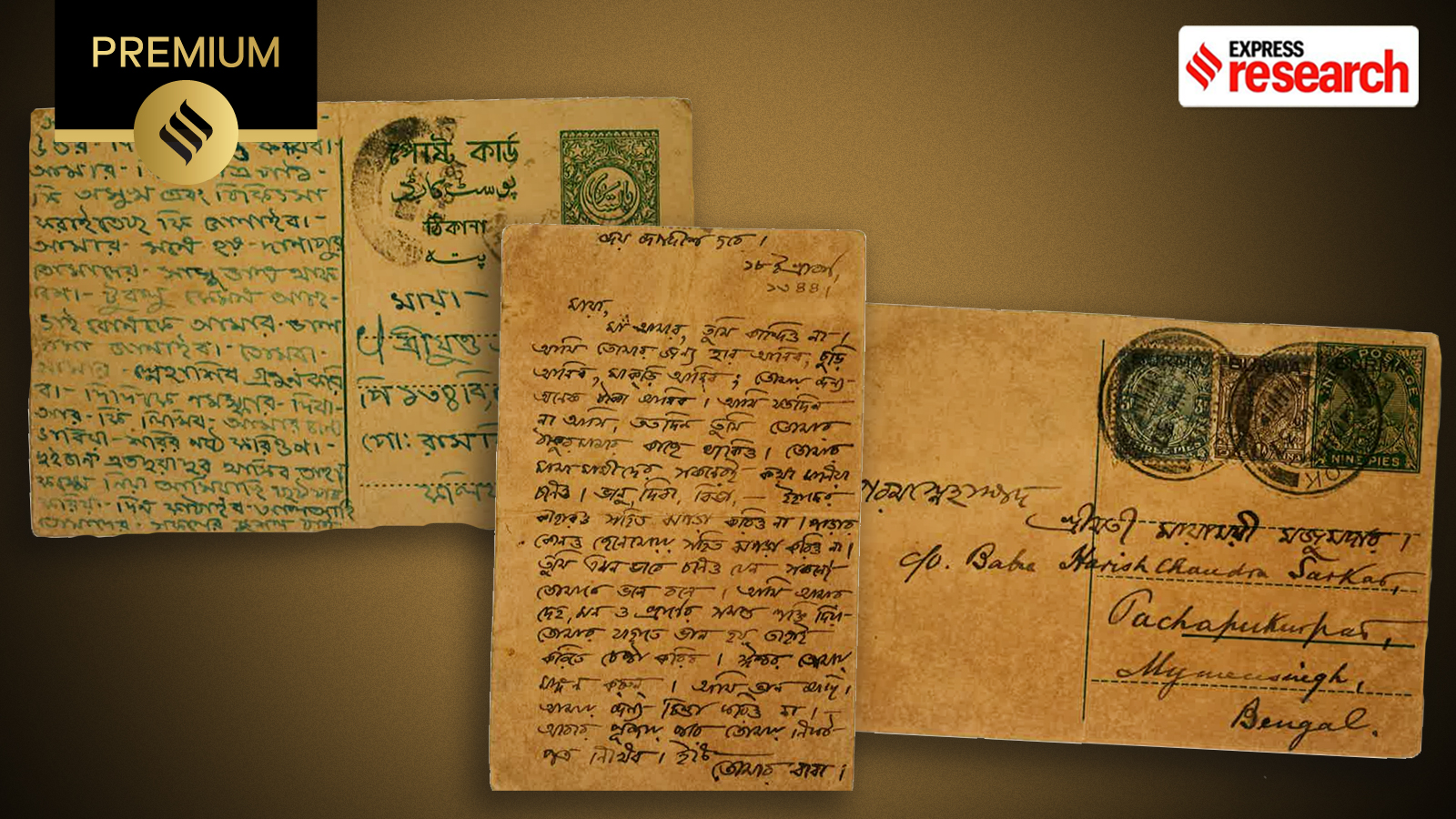
Delving into the faded ink and yellowed pages of old letters, a story of undivided Bengal emerges. These letters, preserved by my father's elder sister, belonged to my great-grandparents and family members who lived between Mymensingh, Dhaka, and Calcutta during the 1930s and 1940s. The letters reveal an intimate portrait of everyday life in undivided Bengal, focusing on the rhythms of domestic life rather than political events.
Among the earliest documents is a letter from my great-grandfather, Taraprasanna Majumdar, who was a Sanskrit scholar from Mymensingh. Written on August 3, 1937, the letter is a poignant reminder of a father's everyday love for his daughter, reassuring her of his return with gifts. These letters also portray Taraprasanna as a learned scholar, but his domestic life is almost as significant, with letters moving between affection, responsibility, and the practicalities of living.
My great-grandmother, Shailabala Devi, was a homemaker, and her personality is revealed through the recipes she meticulously recorded. Food was an expression of care, especially when families were separated by distance. The letters echo the stories my pishi shared about her grandmother, who would bring homemade sandesh and pithe puli when she visited.
Growth up in Kolkata, I grew up hearing people describe themselves as bangal or ghoti. However, upon visiting Bangladesh, I realized that her childhood memories were of the same Bengal where she had grown up. The letters reinforce this understanding, showing how family members traveled between Mymensingh, Dhaka, and Calcutta without any awareness of political boundaries.
The letters provide a unique perspective on Bengal, capturing the essence of the region that official archives often overlook. A wedding invitation card dated May 25, 1942, announces a wedding in Bankura, West Bengal, and was sent to Mymensingh. The card contains a poem reflecting the groom's family's anticipation, offering a glimpse into the region's cultural and social fabric.
Written by urgent.news from The Indian Express's reporting — not their text. Machine-written — may contain errors; check the original before relying on it.