What in the World?
Test yourself on the week of Aug. 8: A major earthquake hits Colombia, Lebanon achieves a regional first, and parts of Europe enjoy a solar eclipse.
This issue is preventing our website from loading properly. First, review the following troubleshooting tips, or contact the support team at [email protected] for further assistance. If you have feedback, please email [email protected] to share your thoughts.
On Sunday, Syria announced a memorandum of understanding with Russia covering arms deals and other pragmatic military engagements. Syria's new government aims to balance foreign relations amid these pragmatic dealings, according to Ahmad Sharawi's writing from last year.
A major typhoon made landfall in southeastern China on Sunday, triggering rough conditions as far away as the Philippines. Southeast Asia faces disproportionate impacts from inclement weather due to various factors, as Joseph Rachman explained in Southeast Asia Brief last November.
On Monday, roughly four years into Russia's ongoing war with Ukraine, new Colombian President Abelardo de la Espriella's administration was hit with a major earthquake. Emergency response has been a top priority for the president, though it has also faced criticism, as Catherine Osborn reported in Latin America Brief.
Russia banned the country's only anti-war party, Yabloko, from competing in upcoming parliamentary elections on Monday. The party's name translates to "Yellow Ribbon" in English. Amid four years of conflict in Ukraine, collective action against the regime has become increasingly challenging, as Alexander J. Motyl wrote in February.
Following a 17-year pause, Venezuela's government announced on Tuesday that it had agreed to reestablish consular services with Israel. This decision came after an Israeli humanitarian delegation arrived in Venezuela following a June earthquake that exposed the weaknesses of the country's U.S.-installed administration, as noted by Tony Frangie-Mawad in last month's article.
On Tuesday, Lebanon's parliament passed a bill, making it the first country in the Middle East to abolish capital punishment. The move joins over 100 countries globally that have ended capital punishment, as reported by Eli Wizevich and Maxine Davey in World Brief.
On Wednesday, which island nation held a general election marked by divisive debates over deep-sea mining? The election cycle also saw the United States showing interest in this frontier.
Far-right politician Nigel Farage won a parliamentary by-election in Britain's Clacton constituency on Thursday. However, more than a quarter of the vote went to an anthropomorphized household object, indicating a unique twist in the results. Despite Farage's victory, an ongoing parliamentary standards investigation could still threaten his seat, according to Andrew Connelly's report in July.
Zambia temporarily suspended vote counting on Friday following an election day prior. International scrutiny was brought to the election due to the country's natural resources, but voter concerns centered on the cost of living and frequent blackouts, as per Nosmot Gbadamosi's report in Africa Brief.
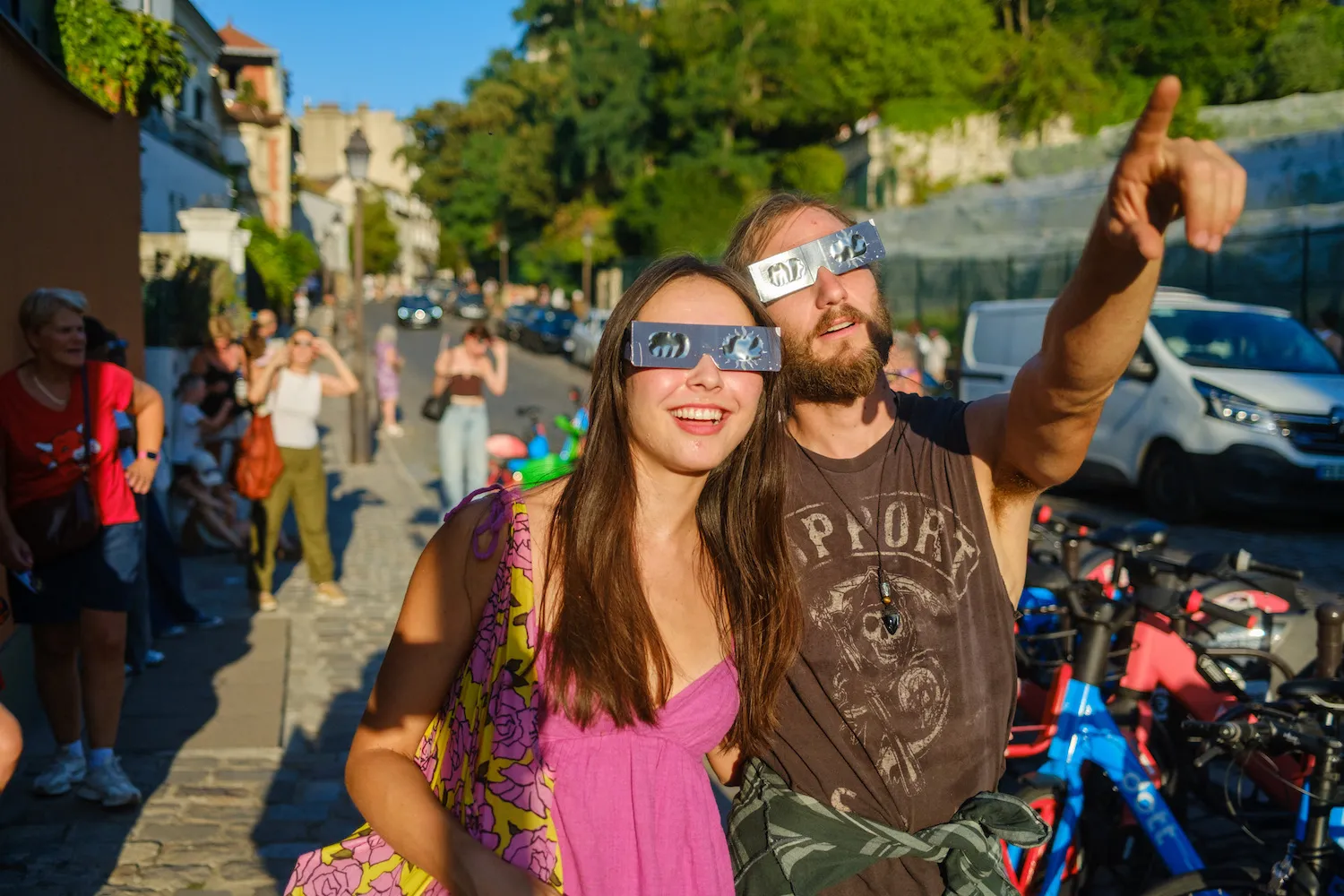
On Wednesday, stargazers in Greenland, Iceland, and parts of Western Europe witnessed a total solar eclipse. The next total solar eclipse will be visible from Spain, North Africa, and parts of the Middle East, with eclipse chasers predicting it as the "solar eclipse of the century."
Written by urgent.news from Foreign Policy's reporting — not their text. Machine-written — may contain errors; check the original before relying on it.