US flags Malaysia in China tariff-evasion crackdown
KUALA LUMPUR: US trade regulators have flagged Malaysia among more than 40 trade partners identified as risks for aiding tariff evasion, as Washington intensifies its global crackdown on China-linked transshipment networks. In a report titled 'The Great Transshipment Scam: Rise, Scope, and Costs,' the White House Office of Trade and Manufacturing Policy (OTMP) named Malaysia alongside more than…
The US has designated Malaysia as one of over 40 countries posing a risk for assisting in tariff evasion, amid a global crackdown on China-linked trade networks. In a report titled "The Great Transshipment Scam: Rise, Scope, and Costs," the White House Office of Trade and Manufacturing Policy (OTMP) lists Malaysia alongside other nations, placing it in Tier 2 due to its strong economic ties with China.
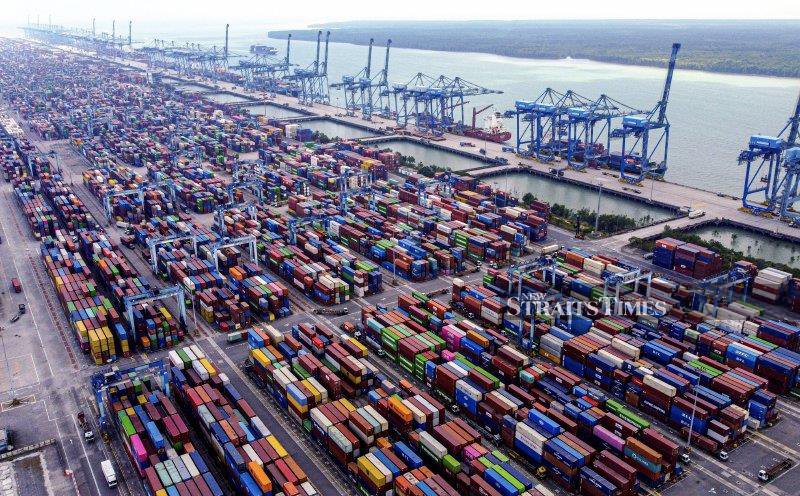
The report warns that Malaysia's deep-water ports, manufacturing centers, and free trade zones are being exploited to conceal Chinese goods and circumvent US tariffs and anti-dumping duties. This places Malaysia in the same category as Brazil, Indonesia, Thailand, Turkey, and Vietnam. The report estimates that illegal transshipment transactions cost the US tens of billions of dollars annually in lost tariff revenue and displace American domestic production.
Malaysia is identified as both a production-side microhub and a logistics-side maritime gateway, with the Port Klang Free Zone (PKFZ) playing a significant role. The Penang–Kulim industrial corridor is specifically highlighted as a major point of production diversion, causing a zero-sum transfer of manufacturing from American soil to foreign jurisdictions.
The report also flags Malaysia as a country involved in circumventing US Antidumping and Countervailing Duties (AD/CVD), particularly in the case of solar cells and modules. The findings underscore the need for further scrutiny of Malaysia's role in regional transshipment schemes.
Written by urgent.news from New Straits Times's reporting — not their text. Machine-written — may contain errors; check the original before relying on it.