After the World Cup and the eclipse, we return to harsh reality
Los políticos suelen agarrarse a un clavo ardiendo para intentar que se olviden sus fracasos. Ha ocurrido siempre. Esta vez, el Gobierno se ha aferrado con fuerza al gran éxito español en el Mundial de Fútbol y al espectáculo del eclipse total de sol del 12 de agosto. Leer
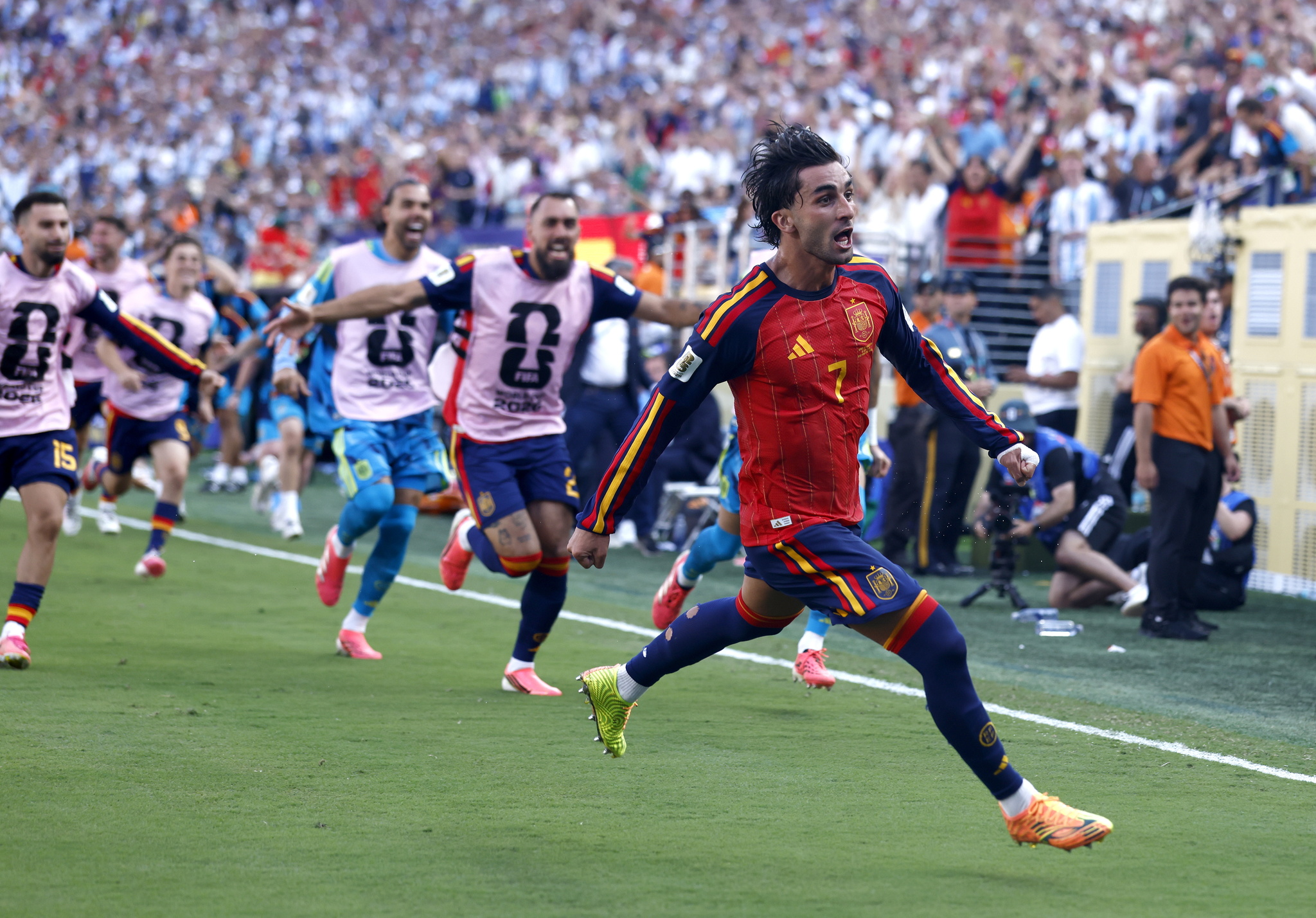
Spain faced a difficult reality after the World Cup and an eclipse, as the country dealt with a discouraging political course. Alongside the celebrations for the World Cup and the general mobilization to watch the moon cover the sun, two significant events occurred: wildfires ravaged half of the nation, and Morocco sent over 80,000 people to Ceuta, expressing concern about a potential future invasion of the autonomous city.
President Pedro Sánchez spent his vacation at the Mareta Palace in Lanzarote, taking a four-week break. Exhausted after eleven months of intense political activity, Sánchez returned in August, leaving his partners and allies alone. The PSOE faced a significant decrease in the polls, but Sánchez remained committed to continuing. Despite the pressure, the leader decided to stay despite the negativity.
The PSOE general secretary was recovering his energy with diving lessons and eating potato omelettes with picante sauce, preparing for September's political comeback. The upcoming political course would face a harsh reality, with the government blocked in Parliament, unable to approve budgets or social agenda laws, and facing judicial procedures affecting family, party, and government.
Spain's foreign policy decisions have isolated Sánchez internationally, and Ceuta and Melilla are once again in the spotlight as Morocco demands sovereignty. Spain's funding from the EU Next Generation program is at risk due to unmet reforms, and employment data is expected to reveal a harsh reality when the tourist season ends.
The employment and inflation outlook is pessimistic, potentially increasing inequality. Catalonia's secessionist movements are likely to intensify, with a potential new push led by an amnesty-released Carles Puigdemont. The normalization of Catalonia seems unlikely, like Ceuta these days. The list of challenges is long, but these examples demonstrate that enduring the legislature in these conditions is not beneficial for Spain or the socialists.
A socialist leader who the Sánchez administration considers from the "old testament" has suggested that Sánchez should call elections and propose a new candidate not burned out. Although this is unlikely to happen, it would be a wise decision. A final comment regarding the last provocation by Minister Oscar Puente, who called a picture of King Felipe with an unimpressive figure "ignominy," has reignited speculation about Sánchez potentially using the monarchical-republican debate in the 2027 election campaign. This would be a colossal error, but it is expected from him.
Written by urgent.news from Expansion ES's reporting — not their text. Machine-written — may contain errors; check the original before relying on it.