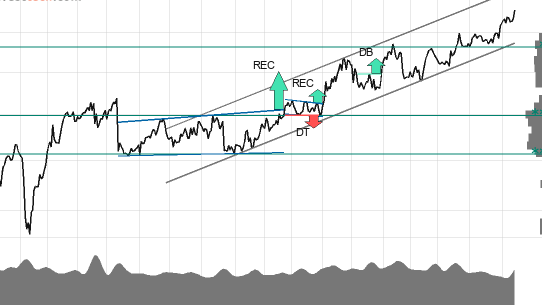
The US dollar is caught between 2 competing forces
The US dollar is currently caught between two opposing forces: oil prices and the Federal Reserve, according to Rabobank senior FX strategist Jane Foley. Historically, the dollar and oil have moved in opposite directions, with a higher currency making crude more expensive for buyers. This relationship began to change in 2022 when Russia invaded Ukraine, solidifying the US as a major energy exporter.
Additionally, the war in Iran disrupted shipping through the Strait of Hormuz, which has presented an opportunity for US oil producers to ramp up production and benefit from higher prices. The American energy boom has put the US in a different position compared to other major economies, such as the eurozone, which remains a major energy importer.
This divergence has reinforced the dollar's traditional safe-haven appeal during the conflict. At first, the market's positioning was short the US dollar, reflecting expectations of a Fed rate cut and the lingering effects of de-dollarization debates. However, a softer-than-expected July payrolls report and relatively benign inflation data have pushed investors to reduce expectations for additional rate hikes, weakening the dollar's support.
Data from the Bureau of Labor Statistics Consumer Price Index (CPI) and Producer Price Index (PPI) releases showed slower-than-expected inflation growth, suggesting that the expectation of further Fed hikes could continue to fade. Thus, the dollar is caught between these opposing forces: easing Fed expectations could lead to a weaker dollar, while a further spike in oil prices or prolonged Hormuz disruption could push investors back towards the greenback.
Rabobank raised its one-month EUR/USD forecast to $1.15 and expects the currency pair to trade largely between $1.15 and $1.16 over the next three to six months.
Written by urgent.news from Yahoo Finance's reporting — not their text. Machine-written — may contain errors; check the original before relying on it.