The Real Reason Data Center Gas Power Plants Are So Dirty
A massive new gas plant in Texas will be built with much less efficient technology than regular gas plants. It’s far from the only data center power project to rely on dirty turbines.
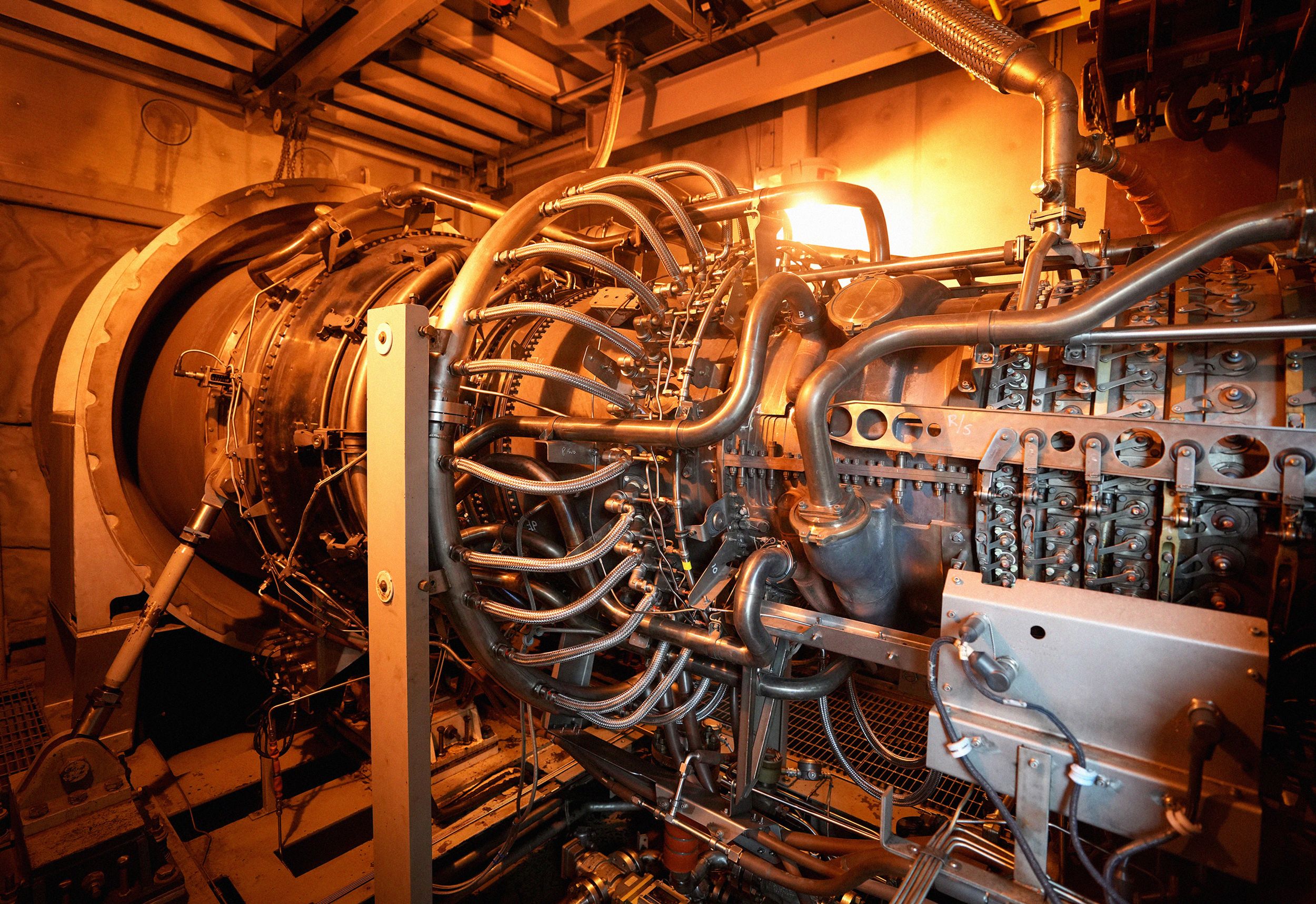
An Amazon data center in Texas will be powered by a massive off-grid power plant, which could be considered one of the highest sources of greenhouse gas emissions in the US. However, the plant's environmental impact is not solely due to its size. The plant will utilize simple cycle gas turbines, which are less efficient than the combined cycle turbines typically used in regular power plants.
These simple cycle turbines release significant amounts of waste heat, contributing to higher emissions for the same amount of energy produced. According to the US Environmental Protection Agency, even if the Texas plant emits only half of its permitted emissions annually, it would still generate more greenhouse gas pollution than 78 average-sized natural gas plants.
The use of simple cycle turbines is becoming increasingly common among data center power developers seeking flexible, quickly installable power. Other tech giants, such as Meta, Microsoft, and Google, are also investing in similar projects. These plants are permitted to release millions of tons of greenhouse gases. While Amazon claims that the Texas plant will not raise electricity costs for Texas families and will eventually transition to grid-connected service, the rapid construction of new, inefficient power plants threatens to create a parallel fossil fuel grid generating substantial greenhouse gas emissions.
Written by urgent.news from Wired's reporting — not their text. Machine-written — may contain errors; check the original before relying on it.