The Atlas Obscura Guide to Winter Sun
Every winter sun list is the same list. Somewhere with a beach, ranked by average January temperature, with a paragraph about resorts. The only variable is the number, and the number is available on any weather site for free. Here is a better question. Rather than asking where it happens to be warm in January, ask where January is the only time to go — where the northern winter opens something…
Winter sun destinations often focus on beach resorts with average January temperatures, but a deeper look reveals unique winter experiences. In Bolivia's Salar de Uyuni, only during the wet austral summer does a thin layer of water create a mirror-like landscape, making it the world's largest salt flat. The Great Train Graveyard in Bolivia houses over a hundred abandoned steam locomotives from the early 20th century, left untouched and exposed to the salt wind.
The Salar de Uyuni also features other attractions like Laguna Colorada, a red lake home to rare flamingos, and the Salvador Dalí Desert, named for its resemblance to the artist's famous painting.
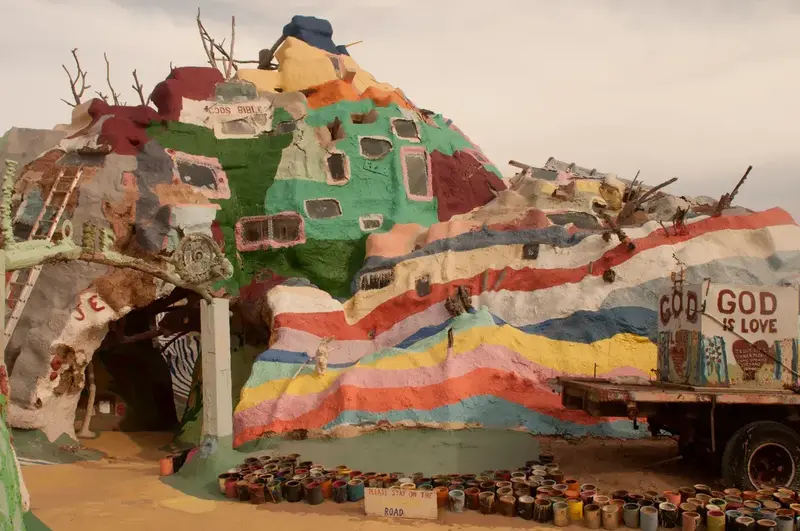
California's Salton Sea, a hazardous desert destination in summer, transforms into a winter wonderland. The area sees a surge in visitors, including the off-grid community of Slab City, as well as the oddball Salvation Mountain, a 150-foot-wide and 50-foot-tall adobe structure built by Leonard Knight out of donated paint. The Salton Sea itself is a strange landscape, an accidental lake created by an engineering failure, now filled with dead fish and barnacles. Nearby, geothermal mud pots and the domed rocks of Obsidian Butte add to the unique attractions.
Chile's Atacama Desert, considered the driest place on Earth, offers a unique opportunity for meteorite hunting. Rodrigo Martinez, a man who has spent over thirty years searching for meteorites, has amassed one of the largest collections globally. The Meteorite Museum in San Pedro de Atacama houses the exhibits in a geodesic dome, allowing visitors to touch the rare celestial objects.
The Atacama region also boasts nitrate towns, once powered by sodium nitrate, now abandoned ghost towns with preserved artifacts and warning signs of the area's hazardous past.
Written by urgent.news from Atlas Obscura's reporting — not their text. Machine-written — may contain errors; check the original before relying on it.