Sumit Sarkar: Ways of historical thinking, his times and legacies
Historian Sumit Sarkar transformed how modern Indian history was understood, bringing ordinary people and their experiences to the centre of historical scholarship
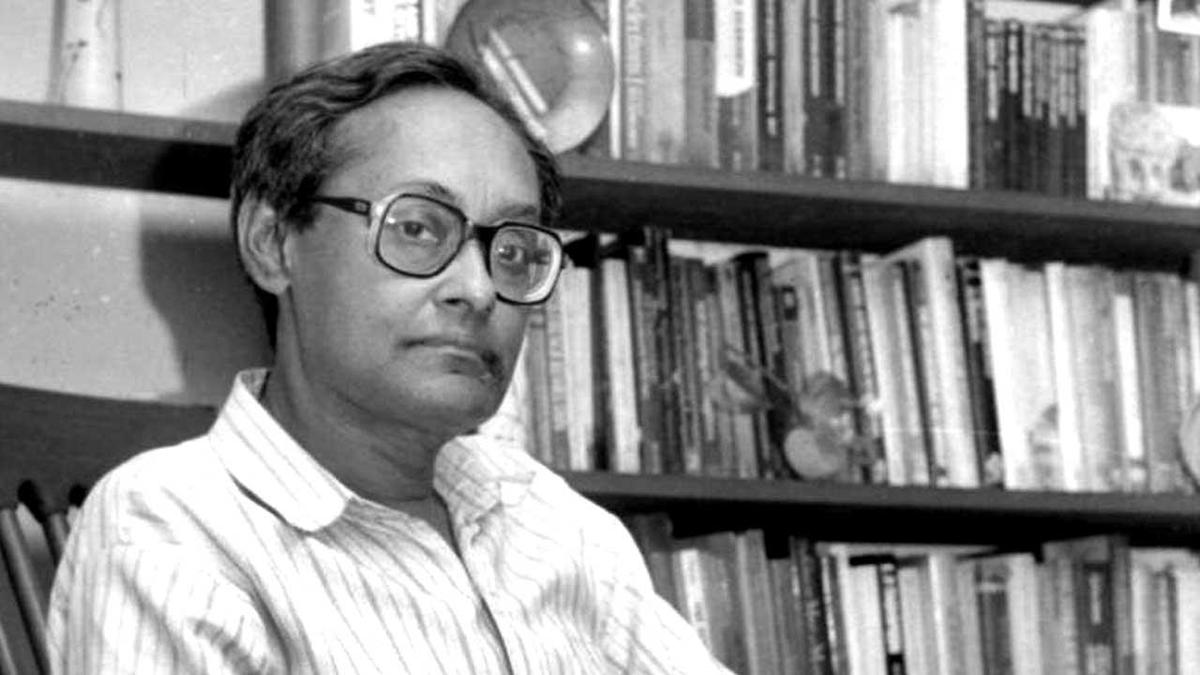
Sumit Sarkar, a renowned Indian historian, did not teach the narrator directly, but his work greatly influenced the field. Sarkar's seminal book, Modern India, revolutionized historical thinking by emphasizing "history from below." This approach highlighted the lives and actions of ordinary people, peasants, and workers, providing a more comprehensive understanding of Indian history.
Sarkar's work was notable for its methodological innovations, combining various sources like plays, novels, newspapers, and pamphlets to uncover nuanced perspectives. For instance, he explored the Swadeshi Movement in Bengal, which occurred after the partition of 1905. This period saw a blend of factors, such as economic grievances and nationalist pride, contributing to the nationalist movement.
One of Sarkar's most significant contributions was challenging the narrow economic determinism and positivism of Marxist scholarship. He sought to integrate material conditions and cultural forms within a structured historical framework. His work also delved into the rise of 'Hindu nationalism' and its pervasive influence, as well as the complex role of religion in Indian society.
In his later work, Modern Times, Sarkar further expanded his scope to include culture and other historical fields, such as city history and print media. This holistic approach aimed to understand the subaltern on her own terms. Sarkar's engagement with diverse archives, including religion, exemplified his commitment to engaged scholarship.
Tragically, Sarkar's untimely death left a void in Indian historiography. However, his rich contributions continue to inspire scholars today. His book, Khaki Shorts and Saffron Flags, remains a vital resource in understanding the evolution of the Rashtriya Swayamsevak Sangh (RSS) and its impact on Indian politics. Sarkar's intellectual openness and willingness to confront official narratives made him a respected figure in the field of history.
Written by urgent.news from The Hindu's reporting — not their text. Machine-written — may contain errors; check the original before relying on it.