States’ share of mining revenue jumps to 88% in 10 years, Centre’s falls to 12%
The figures highlight a major change in how mineral revenues are distributed between state governments and the Centre over the past decade.
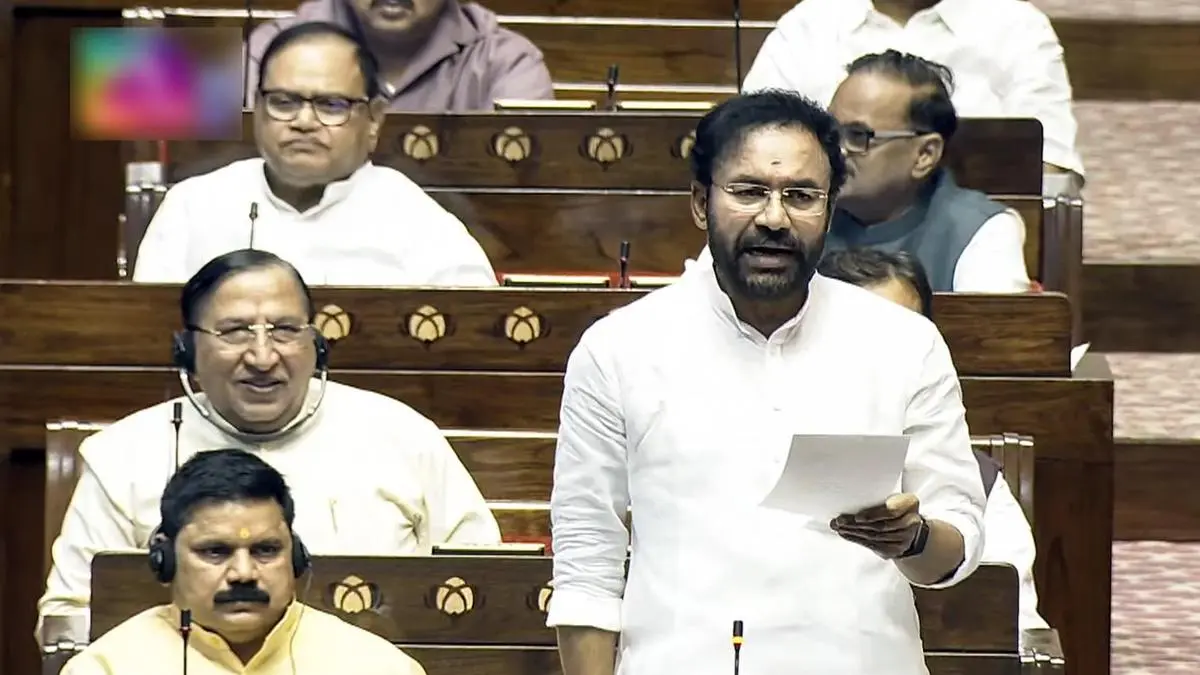
Over the past decade, states have seen a significant rise in their revenue from mining and coal sectors, while the central government's share has decreased, according to Union Minister G Kishan Reddy. The Mines and Minerals (Development and Regulation) Amendment Bill, 2026, passed by Parliament, aims to regulate mineral rates uniformly across the country and limit states' ability to levy taxes on mineral rights and lands.
The bill's passage in both the Lok Sabha and Rajya Sabha completes the parliamentary approval process, with the President yet to give assent.
Data from the mines ministry reveals that states' share in mineral revenue has surged from Rs 13,258 crore in the 2014-15 fiscal year to Rs 71,035 crore in the 2024-25 fiscal year, representing an 88% increase. In contrast, the central government's collection has only marginally risen from Rs 7,102 crore to Rs 8,932 crore, now making up just 12% of total revenue, down from 35% a decade ago.
Coal sector revenue follows a similar trend, with states' share increasing from 55% (Rs 11,948 crore) to 96% (Rs 58,592 crore) while the central government's coal sector revenue has dropped from 45% to a mere 4%. Reddy assured that the new legislation will not affect any state's fiscal position, and state revenues will continue to grow in line with production.
Written by urgent.news from Hindu BusinessLine's reporting — not their text. Machine-written — may contain errors; check the original before relying on it.