Fuel prices: Independent petrol stations demand an end to the 12 o'clock rule
Criticism of the 12-hour rule is not abating. Many companies report deviations and problems with implementation.
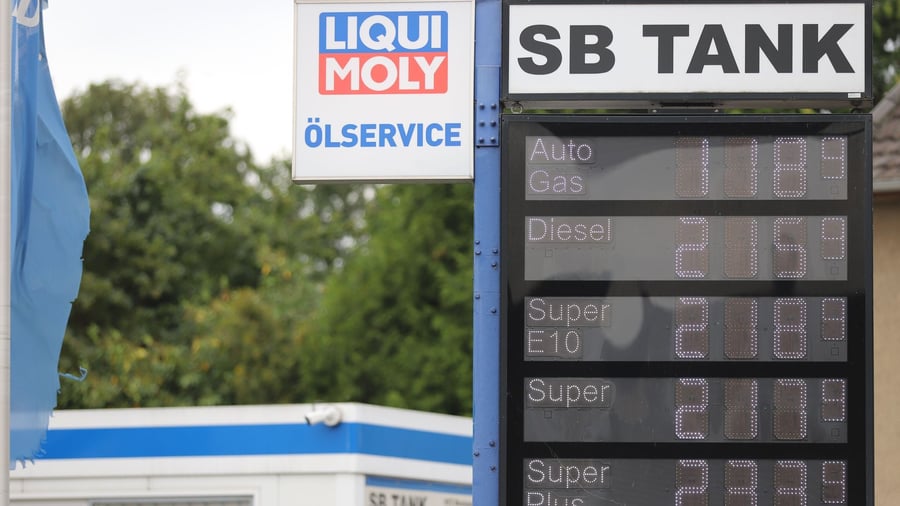
The independent petrol stations are demanding the abolition of the 12 o'clock rule. In a survey conducted by the industry association bft, more than two thirds of respondents spoke out in favour of complete abolition. A further one seventh of those questioned want a fundamental revision, as the association reports. 132 companies with a total of more than 850 petrol stations took part in the survey.
This is around a quarter of the association's members. There are around 14,000 petrol stations nationwide, but most belong to large mineral oil corporations.
"The customers very quickly understood what the regulation means: before twelve, you fill up, afterwards you wait," says Carsten Müller, Chairman of the Board of the bft, describing the effects. "This creates artificial peaks and idle times instead of improving competition." The bft is not alone in its criticism of the 12 o'clock rule: "According to the ADAC's assessment, the 12 o'clock rule seems to drive prices up," it says, for example, from the traffic club.
"It can be observed that the restricted possibility of raising prices leads to mineral oil corporations pricing in risk surcharges." Various economists have expressed similar views. At the beginning of August, CSU leader Markus Söder also said in an ARD summer interview: "You should also take a close look at whether this 12 o'clock rule really works. My feeling is that it doesn't work very well and doesn't have much effect."
Many petrol station operators also report problems with implementation: "Only 45.5 percent of those surveyed can implement the price increase at all stations fully automated and exactly at 12 o'clock," says bft Managing Director Daniel Kaddik. "At the same time, almost two thirds report temporal deviations between the systems involved."
About every eighth company that took part in the survey has already been contacted by the authorities due to deviations. Together, they report at least 423 individual processes that were complained about. "Anyone who imposes warning or fine amounts due to a technical deviation of two or three minutes must allow the question of proportionality to be asked," criticizes Kaddik.
There are no central figures for fine proceedings. However, the Federal Cartel Office has reported that the deviations have increased again, but the federal states are responsible for sanctioning.
From some of them, there are already figures on how many deviations are being checked. For example, Schleswig-Holstein reported the examination of more than 21,000 potential violations at the beginning of August, and 6,600 deviations are known from Berlin alone in April and May. The Federal Government introduced the 12 o'clock rule in April to bring the prices of petrol and diesel, which had risen since the Iran war, under control.
Since then, prices may only be increased once a day at 12:00 noon. In the event of violations, fines of up to 100,000 euros are possible.
Translated by urgent.news. Machine-written — may contain errors; check the original before relying on it.