South Korea bets on industrial policy again
South Korea is pursuing a new state-led industrial policy to compete on the tech frontier, but faces far greater uncertainty than during earlier industrialization drives.
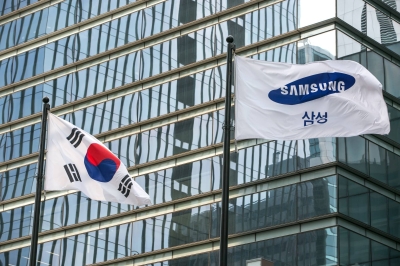
SEOUL – Across the globe, governments are once again utilizing industrial policy tools — subsidies, tax incentives, public financing, trade measures, and strategic regulation — to shape their economies. South Korea is among them. President Lee Jae Myung's administration has introduced a bold plan to foster semiconductors, artificial intelligence infrastructure, robotics, and other cutting-edge industries, aiming to boost future growth and competitiveness.
However, the road ahead is fraught with challenges. The resurgence of industrial policy is not merely a policy trend. Markets frequently underinvest in new technologies due to coordination failures, learning externalities, and economies of scale. Yet, in an era where technological leadership and supply-chain resilience have become central to national-security agendas, governments cannot afford to wait.
They are now questioning not whether they should adopt industrial policy, but what form it should take. With your current subscription plan, you are not permitted to comment on this story. Please visit the Profile section of your subscriber account page to create a display name. For more information, please refer to our FAQ.
Written by urgent.news from Japan Times's reporting — not their text. Machine-written — may contain errors; check the original before relying on it.
This story
This is one outlet's version. Read the fullest account.
- North Korea warns of new ‘deterrent’ ahead of U.S.-South drills japantimes.co.jp