Social engineering, deep fakes and AI used in growing digital fraud
Credit card fraud social engineering starts scam before proceeds converted retail digital vouchers moved out of reach difficult to trace.
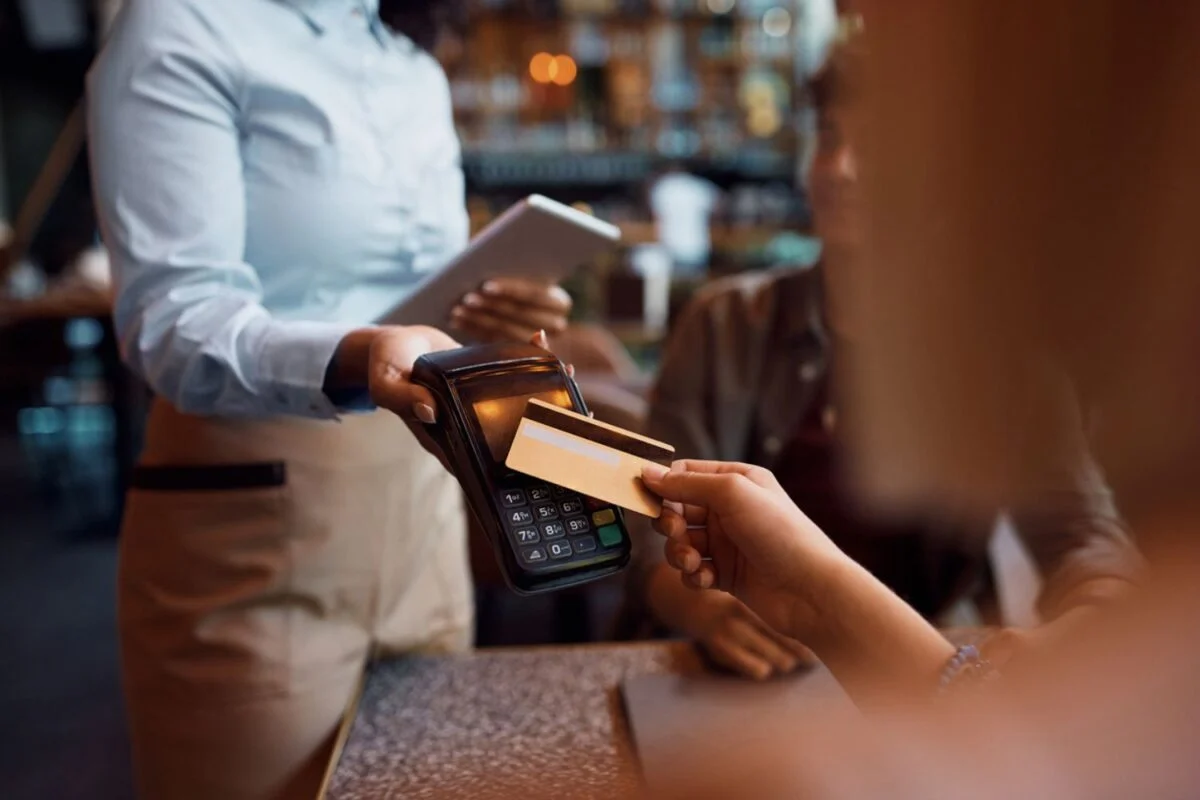
Credit card fraud and social engineering are being used by criminals to launder money, with gift vouchers playing a significant role, according to Chad Thomas, an IRS forensic investigator. The use of vouchers makes it harder to trace who ultimately benefits from the crime. As scrutiny of conventional banking transactions has increased, criminals have turned to these vouchers, which can be used for a variety of purposes, including retail, music, betting, and more.
Thomas noted that the semi-anonymous nature of vouchers is attractive to criminals. Tighter financial controls and increased scrutiny of bank accounts have forced criminals to find alternative methods, leading to a rapid growth in digital fraud, estimated to increase by around 40% globally each year. Older, less digitally savvy individuals are often the easiest targets.
Criminals exploit trust by using sophisticated banking terminology and information about their victims to create the impression that a call is legitimate. With the rise of artificial intelligence and deepfakes, criminals now have new tools to make their scams more convincing. For example, victims may be convinced that they are speaking to their grandchildren in distress, when in reality it is a fake voice.
These scams require careful preparation, including obtaining voice samples and identifying relatives, before presenting a convincing explanation for why the supposed family member is calling from an unfamiliar number. Thomas emphasized that these con artists are highly skilled and manipulative, making it crucial for victims not to dismiss them as simply being gullible.
Written by urgent.news from The Citizen's reporting — not their text. Machine-written — may contain errors; check the original before relying on it.