SK Chairman Open Front-End Memory Fab to U.S.
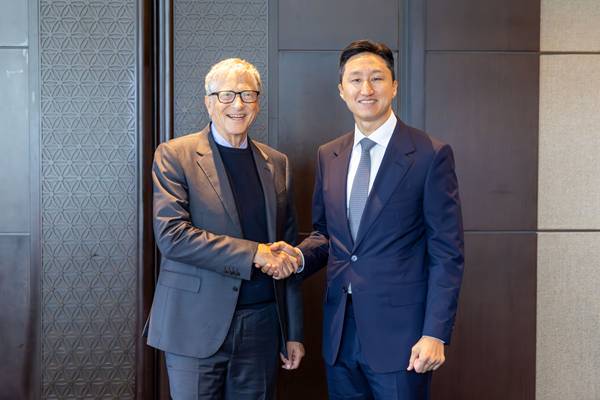
Amid worsening memory supply shortages driven by an explosion in artificial intelligence (AI) semiconductor demand, SK Group Chairman Chey Tae-won has left open the possibility of constructing a front-end semiconductor fab (factory) in the United States. Identifying the demands of local U.S. clients
SK Group Chairman Chey Tae-won has indicated a willingness to construct a front-end semiconductor fabrication facility (fab) in the United States amid escalating memory supply shortages. These shortages are being exacerbated by a surge in demand for artificial intelligence (AI) semiconductor chips. In a recent interview with CNBC, Chairman Chey acknowledged that SK hynix is currently building a back-end packaging fab in Indiana, but a front-end fab has not yet been formalized.
The U.S. customers he spoke to specifically requested a fabricating facility within their country, leading SK Group to initiate a thorough review of potential sites for a new facility. Chairman Chey labeled the current market scenario as a "war" to secure memory chips, noting that demand for next year is expected to increase nearly twice compared to previous levels due to the proliferation of AI applications.
This surge in demand is outstripping supply, which could result in a severe memory shortage phenomenon, known as "Chiplation," leading to astronomical semiconductor prices next year. To address this issue, SK Group aims to increase its memory production capacity by two times within the next five years. Chairman Chey highlighted that securing water, power, land, and establishing a semiconductor ecosystem are critical prerequisites for constructing a fab, and the company will only proceed with investments if there is a confirmed demand demand.
To mitigate the risk of oversupply from large-scale investments, SK Group has implemented demand-based strategies, such as signing long-term supply contracts (LTAs) with customers and exploring risk-sharing programs, including joint ventures and offering memory services (Memory as a Service). While no direct discussions with the U.S. government have been carried out, the company remains open to cooperating with client companies and will thoroughly evaluate future market demand before deciding on additional investment regions.
Written by urgent.news from BusinessKorea's reporting — not their text. Machine-written — may contain errors; check the original before relying on it.