Sargassum seaweed levels begin to drop in Quintana Roo after record peak
This year's sargassum season has been one of Quintana Roo's worst on record, but the buildup is now beginning to decline, according to new figures. The post Sargassum seaweed levels begin to drop in Quintana Roo after record peak appeared first on Mexico News Daily
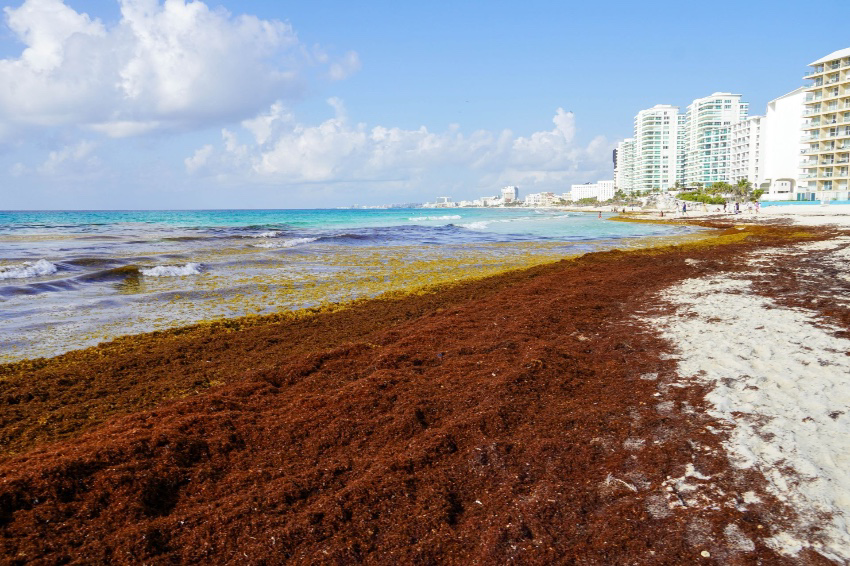
Sargassum seaweed levels are decreasing in Quintana Roo after peaking in June and July, though the Mexican Caribbean region is expected to face one of its worst years on record. Esteban Amaro Mauricio, hydrobiologist and director of the Quintana Roo Sargassum Monitoring Network, shared these updates this week. The seaweed's arrival has been irregular, with Tulum and Mahahual still experiencing significant accumulations, while Playa del Carmen has seen less.
At the start of the month, 30 beaches in northern Quintana Roo were on red alert for excessive sargassum, while the southern beaches had a higher number of red alerts (30). As of now, 22 beaches remain in the red category, 17 in the orange category, 13 in yellow, 45 in green, and three are free of algae. In total, 110,000 tonnes of sargassum have been collected this year, with a projected 150,000 tonnes by year's end, a considerable increase from the 94,000 tonnes collected in 2025.
The influx of sargassum has had a considerable impact on tourism. Hotel occupancy in Tulum has dropped to its lowest level on record at 15%, while Playa del Carmen is at 30%. Quintana Roo Tourism Minister Bernardo Cueto Riestra attributes this decline to the unusual sargassum arrival and reduced airline frequencies due to fuel costs.
Sargassum is a natural part of Atlantic Ocean ecosystems, but extraordinary proliferations have affected the Caribbean region since 2011, causing impacts on coastal ecosystems, fisheries, and tourism. Mexico and Japan recently entered a joint sargassum-response program to tackle the issue, which could include Japanese ocean-monitoring technology, specialized equipment, collection vessels, satellite monitoring, and technical training.
Written by urgent.news from Mexico News Daily's reporting — not their text. Machine-written — may contain errors; check the original before relying on it.