Saifuddin: PKR congress to reassess strategy following state poll losses
AYER KEROH: PKR enters its congress here at a crucial juncture, with the party looking to recalibrate its political strategy after setbacks in three state elections and amid a rapidly shifting political landscape.
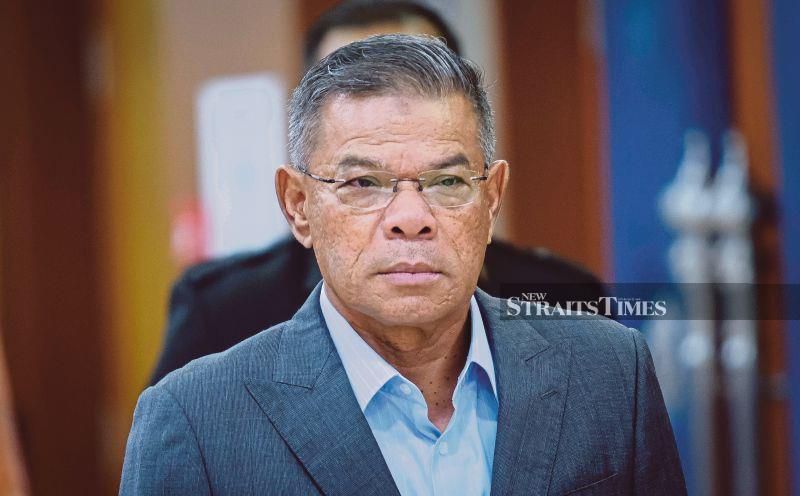
PKR, the opposition party, convenes its congress in a crucial period, seeking to revise its political strategy following losses in three recent state elections. Vice-president Saifuddin Nasution Ismail, who will assume deputy president duties post-congress, asserts that the party can no longer remain inflexible. He highlights the Sabah, Johor, and Negri Sembilan elections as pivotal factors to be scrutinized, incorporating feedback from grassroots levels, divisions, and state leadership for necessary improvements.
Saifuddin, also serving as home minister, underscores the necessity for PKR to assess the evolving political landscape and the increasing importance of coalition-building. He emphasizes that no single party or coalition can single-handedly win and form the government. The congress arrives at a challenging time for PKR, following a series of poor electoral performances over the past nine months and substantial shifts within its leadership.
In November, PKR secured just one of the 12 seats contested in Sabah, while in Johor, they won only one of the 20 seats. In Negri Sembilan, PKR managed to win just two of the 16 seats. These electoral setbacks coincided with the departure of notable PKR members, including former deputy president Rafizi Ramli and former vice-president Nik Nazmi Nik Ahmad, who established Bersama.
Former Subang MP Wong Chen also joined Bersama recently. The congress will also see another leadership change, with deputy president Nurul Izzah Anwar temporarily stepping down, and Saifuddin stepping in to handle her responsibilities during her absence. Saifuddin adds that engaging the youth will be a key focus, with the party planning programs to attract the growing youth voter base.
Written by urgent.news from New Straits Times's reporting — not their text. Machine-written — may contain errors; check the original before relying on it.