Sahiwal coal plant disrupts livelihoods, water supply and mobility: report
KARACHI: A research report has documented disruptions to livelihoods, irrigation, drinking water supplies and local mobility in villages hosting the Sahiwal Coal Power Plant, with researchers calling for greater transparency and stronger consideration of affected communities in energy project planning. The findings were presented by Pind Sudhaar Services (PSS), a member of the Citizens’…
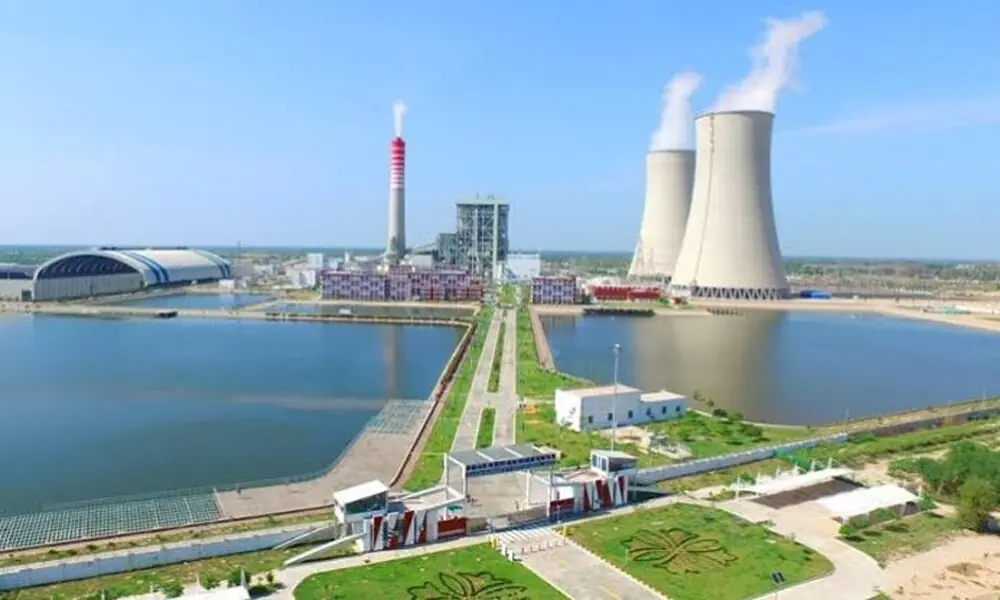
A recent research report has highlighted the ways in which the Sahiwal Coal Power Plant has disrupted the lives, water supplies, and mobility of villages where it is located. The study, conducted by Pind Sudhaar Services (PSS) on behalf of the Citizens’ Collective for Just Energy Development (CCJED), surveyed 121 households and found that the proportion of people relying on agriculture fell from 35% to 16% after the plant's construction. Only 3% of surveyed households cited the plant as their main source of income.
The construction of the plant on private agricultural land led to significant impacts on local livelihoods, irrigation, and drinking water supplies. Residents reported restricted access to major roads like the GT Road and increased restrictions on travel due to security measures at the plant. The closure of an irrigation outlet for the plant left 275 acres of farmland without access to canal water.
The researchers also raised concerns about the lack of transparency surrounding the plant’s operations and environmental performance. They noted that the Huaneng Sahiwal Welfare Trust, which was supposed to receive 2% of the plant operator’s net profit, had not produced any public records of its income or spending until April 2026.
During a consultative dialogue on the report, participants from various civil society organizations, legislators, and energy experts called for greater transparency and stronger consideration of the affected communities in future energy project planning. They emphasized the need for communities to be included in the planning, implementation, and post-implementation stages of major projects.
The dialogue participants also stressed the importance of recognizing community concerns and conducting comprehensive assessments of the long-term impacts of large-scale projects on livelihoods, health, and natural resources.
Written by urgent.news from Business Recorder's reporting — not their text. Machine-written — may contain errors; check the original before relying on it.