S&P 500 ends lower as investors weigh data, Middle East tensions
The Dow Jones Industrial Average declined 0.2 per cent to 53,732.41 points.
The S&P 500 experienced a decline on August 14, 2026, as investors considered weaker-than-expected retail sales data, alongside concerns about Applied Materials' stock performance and Middle East tensions. Applied Materials, which had reported a strong quarterly forecast, saw its shares drop 5.1% after investors were underwhelmed.
The chip equipment manufacturer's stock had previously doubled in 2026 due to high demand related to AI data centers. Other chipmakers, including Broadcom and Intel, also fell 5.9% and 2%, respectively, as investors grew nervous about the lofty valuations of AI-related stocks. Simultaneously, a naval blockade of Iran was maintained near the Strait of Hormuz, following attacks on two more ships, which added to investor pessimism.
This was compounded by a senior Iranian source's claim that no progress had been made in talks to build upon a June agreement aimed at ending the war.
Meanwhile, the S&P 500 energy index climbed 1.4%, tracking higher oil prices. Reddit saw a significant surge of nearly 13% after being added to the S&P 500 index, effective August 18. Retail sales data for July came in weaker than anticipated, with an increase of 0.2% in June, according to the Commerce Department's Census Bureau.
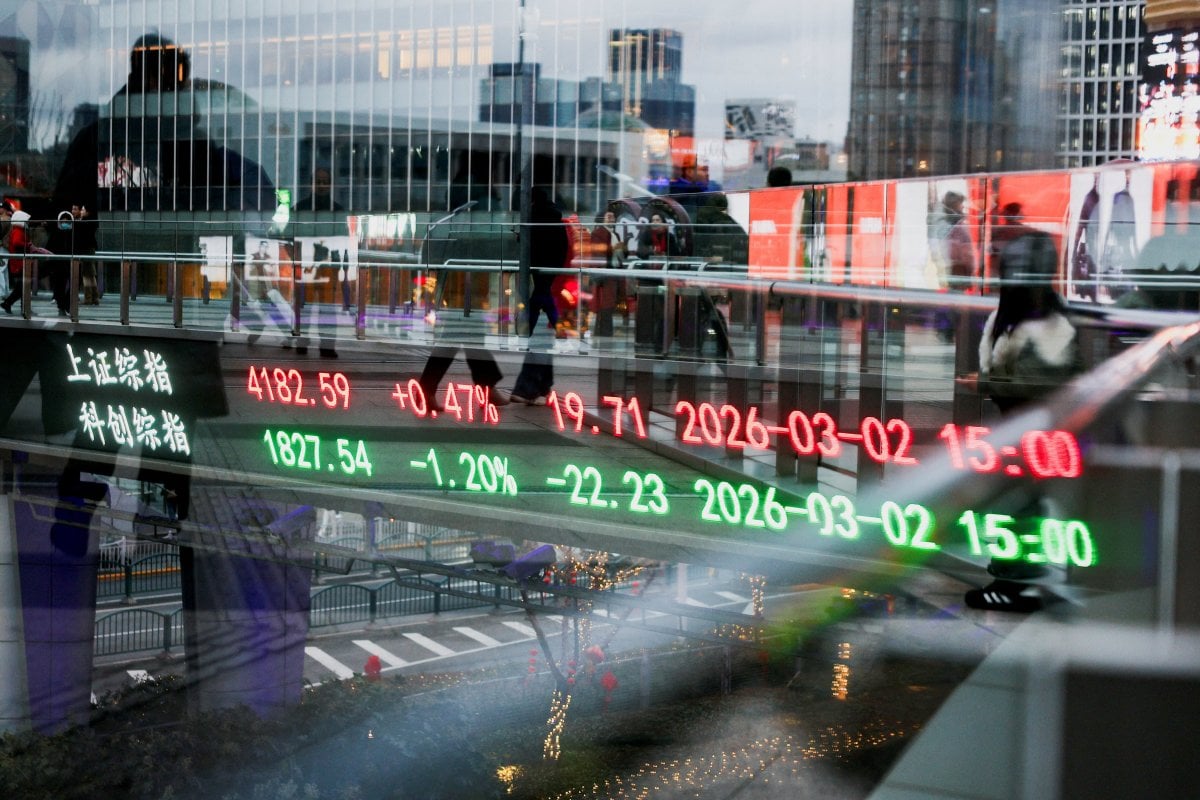
The S&P 500 closed at 7,785.76 points, down 0.17%, while the Nasdaq dropped 0.28% to 26,729.16 points, and the Dow Jones Industrial Average declined 0.2% to 53,732.41 points. Despite the S&P 500 retreating from its August 13 record high, advancing stocks outnumbered falling ones by a ratio of 1.1-to-1. The S&P 500 achieved 15 new highs and one new low, whereas the Nasdaq registered 85 new highs and 65 new lows.
Trading volume on US exchanges was relatively light, with 9.6 billion shares traded, compared to the average of 17.4 billion shares over the previous 20 sessions. For the week, both the S&P 500 and Nasdaq recorded their third consecutive weekly gains, marking the longest winning streak since early April. This success was attributed to strong quarterly earnings and reduced concerns about interest rate hikes.
While inflation related to high oil prices remains a concern, recent economic data has led investors to largely expect the Federal Reserve to hold interest rates steady at its September meeting. According to CME's FedWatch, there is a 67% chance the Fed will keep rates unchanged at the meeting, with a 33% probability of an increase.
Consumer sentiment surveys from the University of Michigan showed a preliminary reading of 51 for August, lower than the expected 54.5. The aggregate earnings of S&P 500 companies surged by 52% in the second quarter, driven mainly by AI heavyweights like Amazon and Microsoft. The index, trading just below record highs, is valued at approximately 20 times expected earnings, up from about 19 at the end of July and below 22 at the beginning of 2026.
Workday declined 3.8% after its shares soared 18% on August 13 following reports of private equity firm Silver Lake's talks to acquire the software company. Additionally, shares of some drone makers rose following President Donald Trump's announcement of potential tariffs on imports of drones and their components.
Written by urgent.news from Straits Times Business's reporting — not their text. Machine-written — may contain errors; check the original before relying on it.
Also reported by 1 other outlet
- CBK projects lower inflation peak on Middle East conflict resolution businessdailyafrica.com