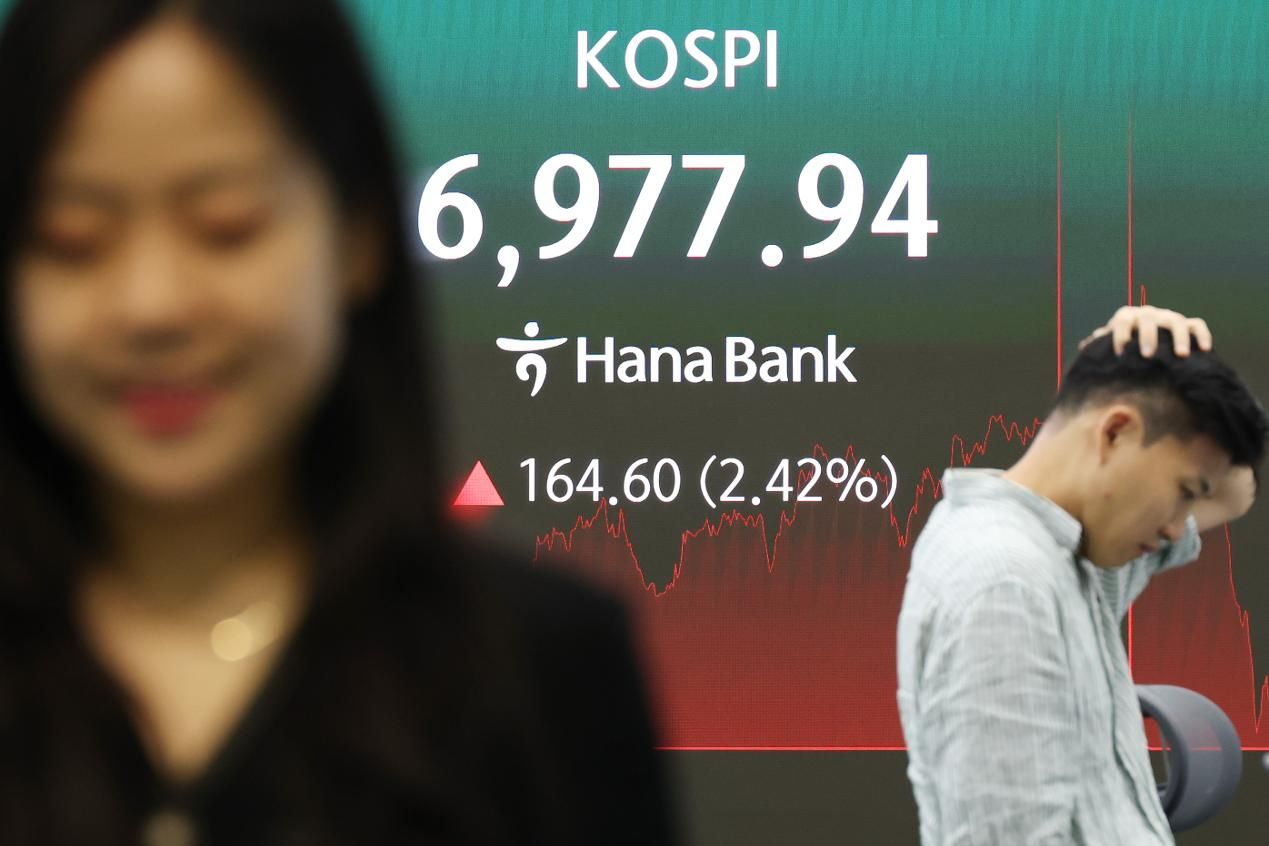
Rupee logs weekly decline, with RBI intervention curbing losses
Data on Friday showed that India’s wholesale price inflation rose 9.78% year-on-year in July, easing marginally from June due to lower energy inflation
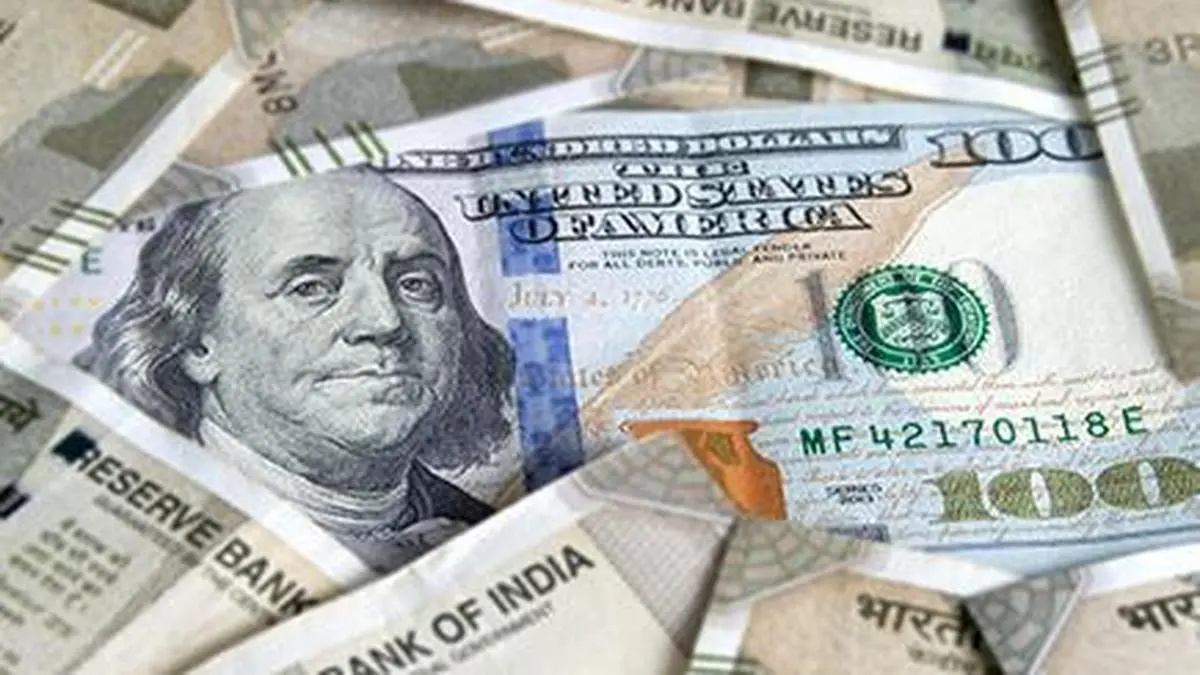
The Indian rupee experienced a decline this week against the US dollar, with frequent interventions by the central bank limiting the extent of the drop. The rupee ended the week at 95.4250 against the dollar, showing only a minimal change from the previous Friday, but it had slipped 0.2 per cent over the past week. State-run banks, likely acting on behalf of the Reserve Bank of India, frequently sold dollars, maintaining the currency within a narrow range of less than 30 paisas and mitigating the effects of strong dollar demand from importers and volatile crude oil prices.
Oil prices surged following the US's threat of an indefinite naval blockade of Iran, reigniting worries about crude supply. India relies heavily on oil imports, accounting for around 90 per cent of its consumption. Wholesale price inflation in India surged by 9.78 per cent year-on-year in July, a slight improvement from the 9.92 per cent increase in June, largely due to higher energy and food prices.
Despite this, inflation remains above the Reserve Bank of India's 4 per cent medium-term target. Economic experts predict that the Monetary Policy Committee will maintain its decision to pause rate hikes for the rest of 2026, with only a 50 basis point increase expected in the first half of 2027. Regional currencies and stock markets were relatively stable, with the dollar index falling by 0.2 per cent to 99.7.
Meanwhile, the Japanese yen showed relative strength as the Bank of Japan considered raising interest rates sooner rather than later.
Written by urgent.news from Hindu BusinessLine's reporting — not their text. Machine-written — may contain errors; check the original before relying on it.