Rethink MMDCE elections – Dr Tando proposes MP-led appointment model
Governance and public policy analyst Dr Solahudeen Tando has proposed a fundamental rethink of Ghana's continuing debate over the election of Metropolitan, Municipal and District Chief Executives (MMDCEs), arguing that the country should consider transferring appointment responsibility from the President to Members of Parliament rather than creating another layer of public elections.
Ghana's debate on the election of Metropolitan, Municipal and District Chief Executives (MMDCEs) has been the focus of discussion, with Dr Solahudeen Tando proposing a shift in the appointment process. Dr Tando suggested that Members of Parliament (MPs) should be responsible for appointing MMDCEs as development representatives within a professional framework, rather than having the President appoint them. This model would be based on qualification and competence standards, as well as safeguards against political patronage.
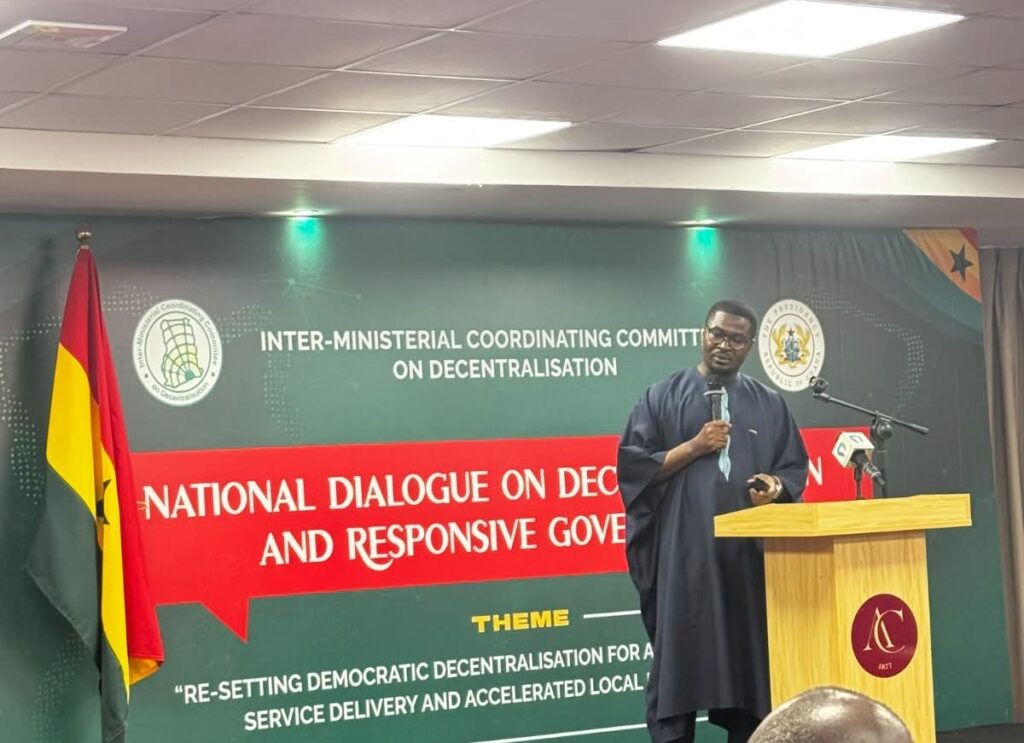
Dr Tando presented his proposal at the National Dialogue on Decentralisation and Responsive Governance in Accra, where he argued that Ghana's political culture has already transformed MPs into de facto development agents, even though their formal constitutional role remains legislative and representative. He questioned whether the current election of MMDCEs adequately addresses the deeper institutional problems in local governance.
MPs are already accountable to constituents for development outcomes, such as roads, schools, health facilities, sanitation, and jobs. Dr Tando noted that Ghana's 2026 Position Paper on constitutional reform already acknowledges that MPs have become development agents in their constituencies "by default." However, the proposal raises concerns about who should bear political accountability for constituency development when things go right or wrong.
Dr Tando's alternative proposal would shift appointment control away from the Presidency and place it closer to an MP, who would still be an elected constituency representative. The Public Services Commission would establish professional safeguards around the appointment process, with the role and performance expectations of the MMDCE aligning with the district development framework and national development planning architecture.
Dr Tando acknowledged that this proposal represents a significant departure from both the current presidential appointment system and proposals for direct popular election of MMDCEs. However, he argued that Ghana's local government debate should not equate election with decentralisation. Instead, effective decentralisation requires attention to authority, administrative capacity, resources, planning, coordination, and accountability.
Dr Tando also questioned whether Ghana should create two separately elected political centers with overlapping constituency-development expectations without first defining the relationship between their mandates. He proposed that the District Assembly should be seen as "a territorial platform through which the fragmented functional state becomes an integrated local service experience in the delivery of public value."
In this view, decentralisation should be evaluated based on the citizens' experience at the local level, rather than the number of functions transferred or institutions established.
Written by urgent.news from MyJoyOnline Ghana's reporting — not their text. Machine-written — may contain errors; check the original before relying on it.