Placental transport mechanism could guide safer biologic medicines during pregnancy
Biologic medicines have transformed the treatment of cancer, autoimmune diseases, migraine, inflammatory disorders and many other conditions. Yet their growing use among women of reproductive age constitutes a major clinical challenge because therapeutic IgG antibodies are actively transported across the placenta to the developing fetus. Evidence supporting the safe use of such therapeutics…

Biologic medicines have revolutionized treatments for a multitude of conditions, yet their use among women of childbearing age presents a clinical challenge due to the active transport of therapeutic IgG antibodies across the placenta to the developing fetus. Limited evidence exists regarding the safe use of such medicines during pregnancy.
University of Oslo and Oslo University Hospital researchers, along with national and international collaborators, have discovered that the placenta can differentiate between antibodies and albumin, potentially revolutionizing the design of biologic medicines with reduced fetal exposure. Published in Science Immunology, the study reveals that while the neonatal Fc receptor (FcRn) binds both IgG antibodies and albumin, placental FcRn selectively transports IgG to the fetus while largely excluding albumin.
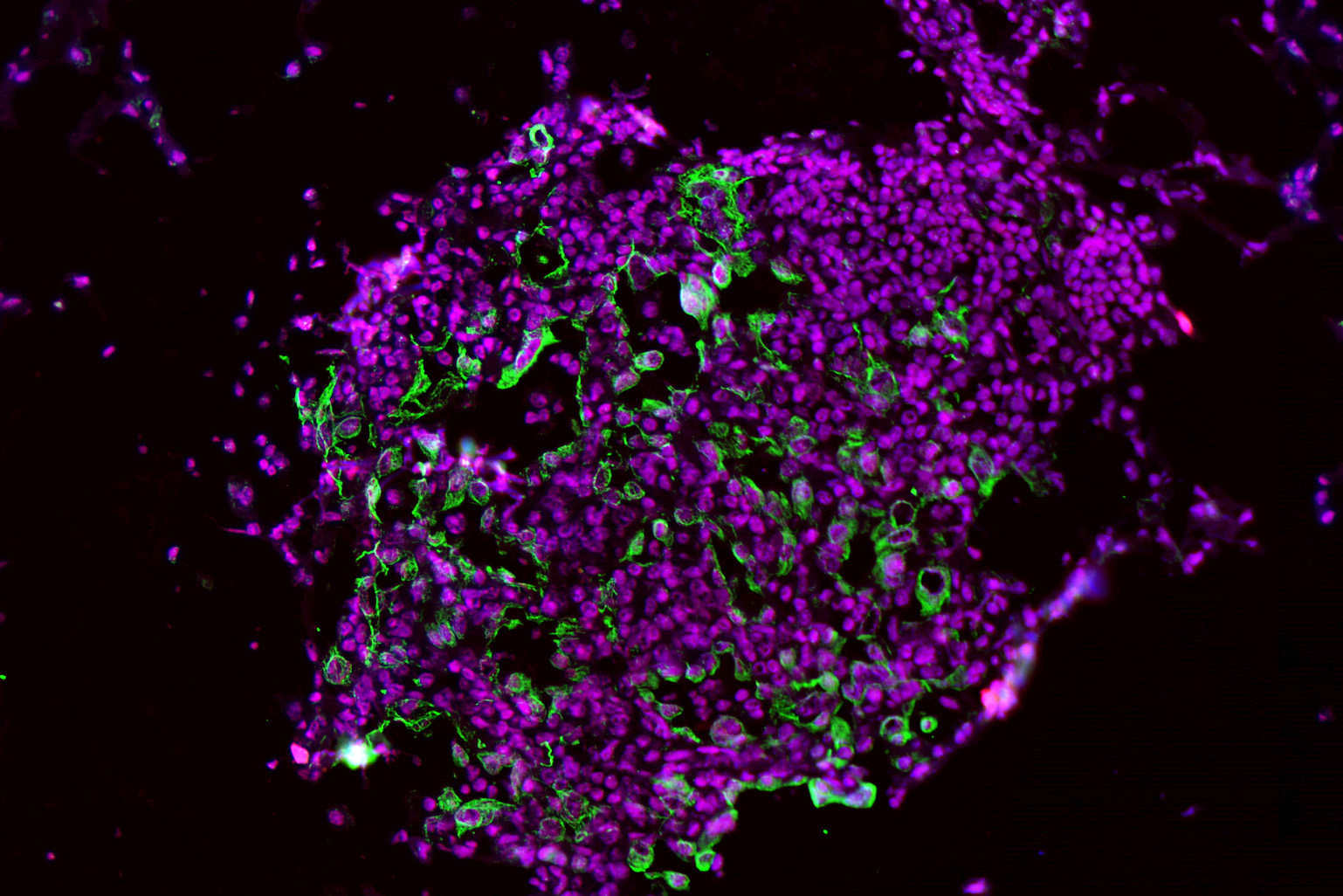
This discovery resolves a long-standing question in placental biology and suggests the possibility of engineering long-acting biologic medicines with minimal fetal exposure. The researchers utilized conventional and genetically humanized mouse models, as well as an advanced ex vivo human placental perfusion system, to demonstrate that IgG antibodies were efficiently transferred while albumin was not.
By fusing albumin to therapeutic IgG antibodies, they created biologics with FcRn-mediated long plasma half-lives and reduced placental transport. Further optimization involved fusing antibody fragments to an engineered albumin variant with enhanced human FcRn binding, achieving both reduced placental transfer and prolonged plasma half-life.
The concept was validated in human placental tissue and disease models, including a mouse model of fetal and neonatal alloimmune thrombocytopenia, which showed substantially reduced fetal exposure and associated adverse effects in offspring. This breakthrough addresses the growing need for safer biologic medicines for women during reproductive years, offering the potential to design these medicines differently to enhance safety during pregnancy.
Written by urgent.news from Medical Xpress's reporting — not their text. Machine-written — may contain errors; check the original before relying on it.