Pakistan posts fastest economic growth in four years as reforms drive recovery
Pakistan has posted its strongest economic performance in four years, with the economy expanding by 3.7 per cent in fiscal year 2025-26 to a record size of $452.1 billion, reflecting a broad-based recovery driven by fiscal discipline, structural reforms and rising investor confidence despite regional geopolitical tensions and devastating floods. Official economic data released at the close of…

Pakistan has experienced its strongest economic growth in four years, expanding by 3.7 percent during the fiscal year 2025-26 to reach a record $452.1 billion. This broad-based recovery can be attributed to fiscal discipline, structural reforms, and rising investor confidence, despite regional geopolitical tensions and devastating floods.
The country's per capita income rose by 9 percent to $1,901, while the fiscal deficit narrowed to 0.7 percent of GDP, a significant improvement. Public debt also decreased to 68.5 percent of GDP, down from 75 percent in 2023. The services sector, accounting for nearly 60 percent of the economy, saw the fastest growth in four years, with a 4.09 percent increase led by the information and communication technology sector.
Industrial output grew by 3.51 percent, while manufacturing hit a four-year high at 6.1 percent. Agriculture also recovered, growing by 2.89 percent. Macroeconomic stability improved, with average inflation easing to 7.1 percent, allowing the State Bank of Pakistan to reduce the policy interest rate to 11.5 percent. Over the year, overseas remittances surged to $41.6 billion, a 9 percent increase from the previous year, and foreign exchange reserves climbed 45 percent to $18.4 billion.
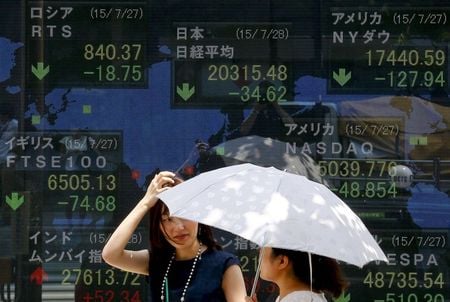
The technology sector, particularly IT and ICT exports, performed exceptionally well, reaching $4.6 billion, a 21 percent increase over the previous year, with freelancers contributing $1.76 billion in export earnings. The Pakistan Stock Exchange also saw a strong performance, closing at a record 180,301 points, with investor sentiment improving significantly.
The benchmark KSE-100 Index rose by over 43 percent, and the number of investors nearly doubled. The government credits this improvement to various structural reforms, including tax administration reforms using AI, tariff rationalization, energy sector restructuring, privatisation of state-owned enterprises, digital payment expansion, pension reforms, and measures to reduce the public sector size.
These efforts have garnered international recognition, with S&P Global upgrading Pakistan's sovereign credit rating to 'B' with a Stable Outlook and Moody's and Fitch maintaining stable outlooks. The government has set a 4 percent GDP growth target for FY2026-27 and aims to further reduce the fiscal deficit to 3.6 percent of GDP, expecting continued fiscal discipline, remittance inflows, expanding technology exports, foreign investment, and ongoing reforms to sustain economic recovery and promote long-term growth.
Written by urgent.news from Gulf News's reporting — not their text. Machine-written — may contain errors; check the original before relying on it.