Nursing federation demands proper pay, protection on Ebola front line
The International Council of Nurses says some nurses and other health workers have gone unpaid for two to three months while facing serious risks to their lives.
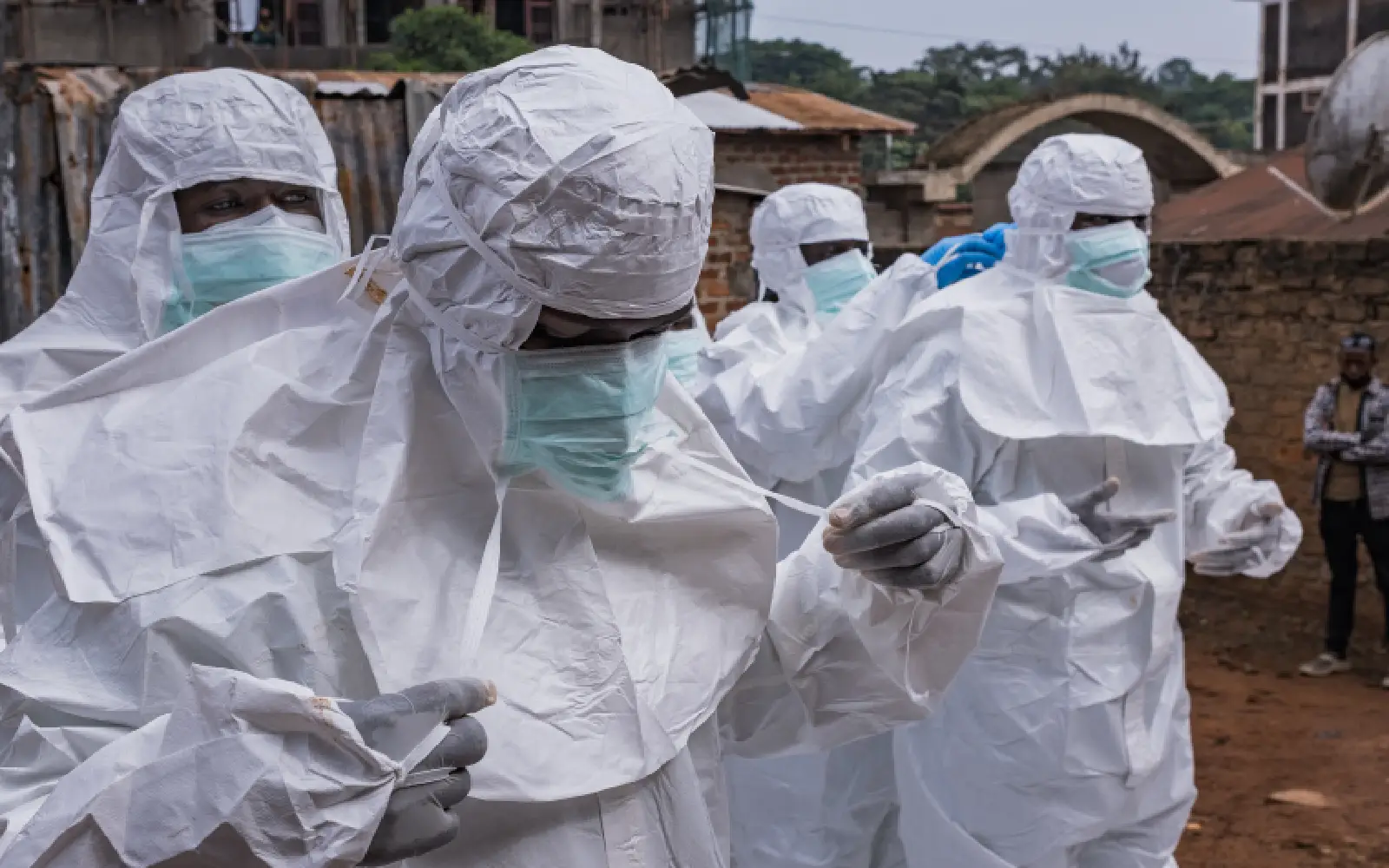
The Democratic Republic of Congo has recorded 4,566 confirmed Ebola cases, resulting in 2,128 deaths and 918 recoveries. Healthcare workers have been among the deceased and infected. The International Council of Nurses (ICN) has called on the DRC authorities to provide proper pay and protection for those battling the deadly Ebola outbreak.
Some nurses and health workers have gone unpaid for two to three months while facing significant risks to their lives. ICN chief executive Howard Catton emphasized that one cannot fight Ebola if they do not pay the people fighting it. Nurses are risking their lives to protect their communities, often at great personal risk, yet many are still waiting to be paid months into the crisis.
The ICN demands include paying health workers what they are owed, guaranteeing regular payments moving forward, and providing the necessary protection for their jobs. The Ebola outbreak in DRC began on May 15, but the virus is outpacing containment efforts. There have been 4,566 confirmed cases, 2,128 deaths, and 918 recoveries, according to the latest figures from the World Health Organization.
The ICN, which represents over 30 million nurses worldwide, has written to DRC's health minister, Roger Kamba, outlining their demands, including adequate personal protective equipment, immediate action on pay, insurance, and compensation. If healthcare workers are not protected and paid, they will leave, and without them, there will be no effective response to the outbreak.
The International Federation of Red Cross and Red Crescent Societies is working with local communities to ensure the response is understood, accepted, and supported. The current Ebola outbreak is spreading faster than any before, with WHO chief Tedros Adhanom Ghebreyesus stating that it is on track to surpass the 2014-2016 outbreak, which claimed over 11,000 lives.
The treatment capacity needs to be tripled, with a goal of 3,000 beds within 12 weeks, and thousands more health workers must be recruited and trained to address the crisis. Ebola spreads through contact with bodily fluids and causes a haemorrhagic fever; this outbreak is driven by the Bundibugyo species, for which there are no approved vaccines or treatments.
Written by urgent.news from Free Malaysia Today's reporting — not their text. Machine-written — may contain errors; check the original before relying on it.
Also reported by 1 other outlet
- Nursing federation demands proper pay, protection on Ebola front line freemalaysiatoday.com